Welcome to My Blog!
Before we dive into the content, I’d love for you to join me on my social media platforms where I share more insights, engage with the community, and post updates. Here’s how you can connect with me:
Facebook:https://www.facebook.com/profile.php?id=61565337355573
Now, let’s get started on our journey together. I hope you find the content here insightful, engaging, and valuable.
Table of Contents
Introduction

The construction industry relies on robust materials to ensure the safety, durability, and efficiency of large-scale projects. Among these materials, structural H steel stands out as a cornerstone for heavy projects, such as skyscrapers, bridges, and industrial facilities. Its unique design and exceptional strength make it a preferred choice for engineers and architects tackling demanding structural requirements. This blog explores the reasons why structural H steel is ideal for heavy projects, delving into its properties, applications, and benefits. By understanding its versatility and reliability, you can make informed decisions for your next construction endeavor.
The Unique Design of Structural H Steel
Structural H steel, also known as H-beam or wide-flange beam, is characterized by its distinctive “H” shape, which provides superior load-bearing capacity. The wide flanges and thick web of the beam distribute weight evenly, making it ideal for supporting heavy loads over long spans. This design minimizes deflection and ensures structural integrity, even under extreme conditions. Unlike other steel shapes, such as I-beams or channels, the H-shaped configuration offers enhanced resistance to bending and twisting, which is critical for heavy projects like high-rise buildings or large-scale infrastructure.
Why the H Shape Matters
The H shape of H steel is not just a design choice; it’s a functional advantage. The wide flanges provide a larger surface area for load distribution, reducing stress concentrations and improving stability. This makes it particularly suitable for projects requiring long spans, such as bridges or warehouses. Additionally, the symmetrical design allows for easier connections with other structural components, streamlining construction processes and reducing labor costs.
Strength and Durability of Structural H Steel
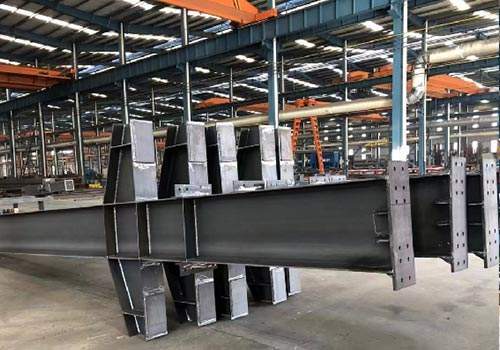
One of the primary reasons structural H steel is favored in heavy projects is its exceptional strength-to-weight ratio. Made from high-quality steel alloys, H-beams can withstand significant compressive and tensile forces, making them ideal for structures exposed to heavy loads or dynamic forces, such as wind or seismic activity. The durability of H steel ensures that buildings and infrastructure remain safe and functional for decades, even in harsh environmental conditions.
Resistance to Environmental Factors
Structural H steel is often treated with protective coatings, such as galvanization or anti-corrosion paints, to enhance its resistance to rust, moisture, and chemical exposure. This makes it suitable for projects in coastal areas, industrial zones, or regions with extreme weather. The material’s ability to maintain its structural integrity over time reduces maintenance costs and extends the lifespan of the project.
Versatility in Heavy Project Applications
The versatility of H steel makes it a go-to material for a wide range of heavy projects. From commercial skyscrapers to industrial warehouses, H-beams are used in columns, beams, and trusses to provide foundational support. Their adaptability allows architects and engineers to design complex structures without compromising on safety or efficiency.
Applications in Infrastructure Projects
In infrastructure, H steel is commonly used in bridge construction, railway systems, and highway overpasses. Its ability to span long distances while supporting heavy loads makes it ideal for creating stable, reliable frameworks. For example, in bridge construction, H-beams are used to form the primary support structure, ensuring the bridge can handle the weight of vehicles and environmental stresses.
Cost-Effectiveness of Structural H Steel
While the initial cost of structural H steel may be higher than some alternative materials, its long-term cost-effectiveness is undeniable. The material’s durability reduces the need for frequent repairs or replacements, and its ease of installation lowers labor costs. Additionally, the recyclability of steel makes it an environmentally friendly choice, reducing waste and disposal costs.
Long-Term Savings
By choosing H steel, project managers can save on maintenance and operational costs over the lifespan of the structure. The material’s resistance to wear and tear means fewer resources are needed for upkeep, making it a financially sound choice for large-scale projects.
Comparison of Structural H Steel Specifications
To illustrate the versatility of structural H steel, the following table provides an overview of common H-beam sizes and their typical applications in heavy projects. This table is designed to help project planners select the appropriate H-beam specifications based on their project requirements.
| H-Beam Size (mm) | Weight (kg/m) | Typical Applications | Load-Bearing Capacity |
|---|---|---|---|
| 100 x 100 x 6 x 8 | 17.2 | Small industrial buildings, residential frameworks | Moderate loads, short spans |
| 200 x 200 x 8 x 12 | 50.5 | Commercial buildings, medium-span bridges | High loads, medium spans |
| 300 x 300 x 10 x 15 | 94.0 | Skyscrapers, large bridges | Very high loads, long spans |
| 400 x 400 x 13 x 21 | 172.0 | Heavy industrial structures, major infrastructure | Extreme loads, very long spans |
This table highlights the range of H-beam sizes available, each suited to specific project needs. By selecting the right size, engineers can optimize structural performance while minimizing material costs.
Ease of Fabrication and Installation
Structural H steel is relatively easy to fabricate and install, which is a significant advantage for heavy projects with tight timelines. The beams can be cut, welded, and bolted with precision, allowing for quick assembly on-site. This ease of fabrication reduces construction time and minimizes disruptions, making it a practical choice for large-scale projects.
Streamlined Construction Processes
The standardized dimensions of structural H steel simplify the design and construction process. Engineers can rely on consistent measurements and properties, reducing the likelihood of errors during fabrication or installation. This efficiency is particularly valuable in projects with complex designs or tight schedules.
Sustainability and H Steel
Sustainability is a growing concern in the construction industry, and H steel aligns with eco-friendly practices. Steel is one of the most recyclable materials in the world, with many H-beams made from recycled content. This reduces the environmental impact of heavy projects and supports sustainable construction practices.
Reducing Carbon Footprint
By using recycled structural H steel, construction projects can significantly reduce their carbon footprint. Additionally, the material’s durability minimizes the need for resource-intensive repairs or replacements, further contributing to environmental conservation.
Safety Benefits of Structural H Steel

Safety is paramount in heavy projects, and H steel delivers on this front. Its high strength and stability reduce the risk of structural failure, ensuring the safety of workers and occupants. Additionally, H-beams are designed to meet stringent industry standards, providing peace of mind for project stakeholders.
Meeting Regulatory Standards
Structural H steel complies with international building codes and standards, such as those set by the American Institute of Steel Construction (AISC) or the European Committee for Standardization (CEN). This ensures that projects using H-beams meet safety and quality requirements, reducing the risk of costly compliance issues.
Conclusion
In conclusion, structural H steel is an unparalleled choice for heavy projects due to its strength, durability, versatility, and cost-effectiveness. Its unique design, ease of fabrication, and sustainability make it a reliable and efficient material for constructing everything from skyscrapers to bridges. By incorporating structural H steel into your project, you can achieve superior performance while minimizing long-term costs. Ready to elevate your next heavy project? Contact us today to explore how structural H steel can meet your construction needs.
FAQ
What is structural H steel?
Structural H steel, also known as H-beam or wide-flange beam, is a steel beam with an H-shaped cross-section, designed to support heavy loads in construction projects.
Why is structural H steel used in heavy projects?
Its high strength, durability, and ability to span long distances make structural H steel ideal for demanding applications like skyscrapers, bridges, and industrial facilities.
How does structural H steel compare to other steel beams?
Compared to I-beams or channels, structural H steel offers superior load-bearing capacity and resistance to bending, making it better suited for heavy projects.