Welcome to My Blog!
Before we dive into the content, I’d love for you to join me on my social media platforms where I share more insights, engage with the community, and post updates. Here’s how you can connect with me:
Facebook:https://www.facebook.com/profile.php?id=61565337355573
Now, let’s get started on our journey together. I hope you find the content here insightful, engaging, and valuable.
Table of Contents
Introduction
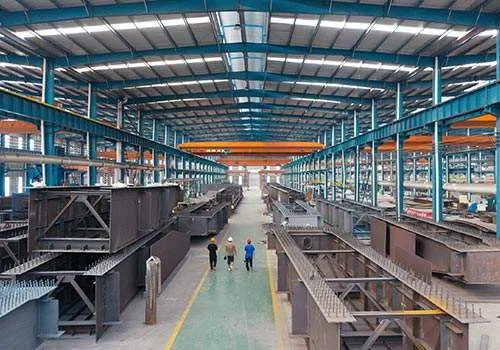
Steel trusses have become a cornerstone in modern construction, particularly for large-span structures such as warehouses, stadiums, bridges, and industrial buildings. Their versatility, durability, and ability to span great distances without the need for internal support make them an excellent choice for architects and engineers.
This blog explores the reasons why steel trusses are ideal for large-span structures, their key features, types, and benefits. We will also include a comparative table to provide further insights and a detailed FAQ section to address common questions about steel trusses.
What Are Steel Trusses?
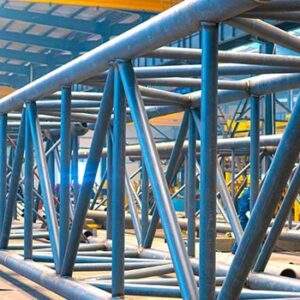
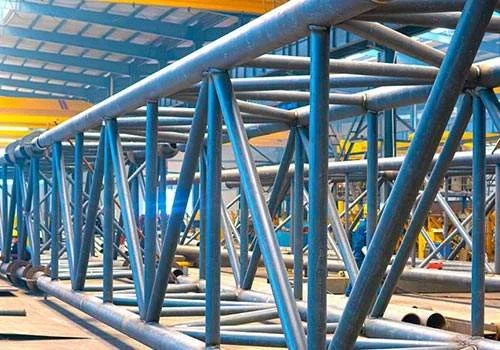
Steel trusses are frameworks made of steel designed to support loads by efficiently distributing weight. They consist of triangular units connected by straight members, ensuring structural stability and rigidity. This design makes steel trusses suitable for applications where large, open spaces are required without the obstruction of columns or beams.
Applications of Steel Trusses
Steel trusses are widely used in:
- Stadiums and sports arenas: Providing clear spans for seating and roof systems
- Industrial facilities: Supporting large roofs in factories and warehouses
- Bridges: Offering strength and stability for long spans
- Aircraft hangars: Ensuring unobstructed space for operations
- Residential buildings: Used in modern designs for lightweight, durable roof systems
Benefits of Steel Trusses
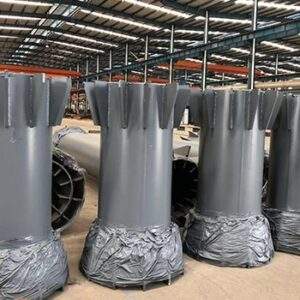


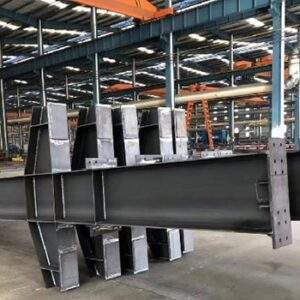
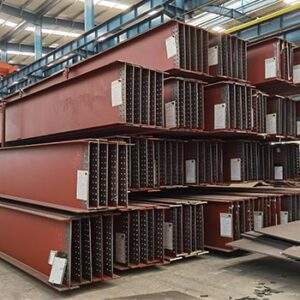
High Strength-to-Weight Ratio
Steel trusses offer an excellent strength-to-weight ratio, allowing them to support heavy loads without adding excessive weight to the structure.
Design Flexibility
The modular design of steel trusses allows for customization to suit different architectural and engineering needs. This flexibility is particularly useful in complex projects.
Durability and Longevity
Steel is resistant to pests, rot, and decay, making steel trusses a long-lasting option for large-span structures. With proper maintenance, they can last for decades.
Cost-Effectiveness
Although the initial investment may be higher, steel trusses reduce long-term costs due to their durability, low maintenance, and reduced material requirements for supports.
Environmental Benefits
Steel is recyclable, making steel trusses an environmentally friendly choice. Many manufacturers use recycled steel in their production, contributing to sustainability.
Types of Steel Trusses
Pratt Truss
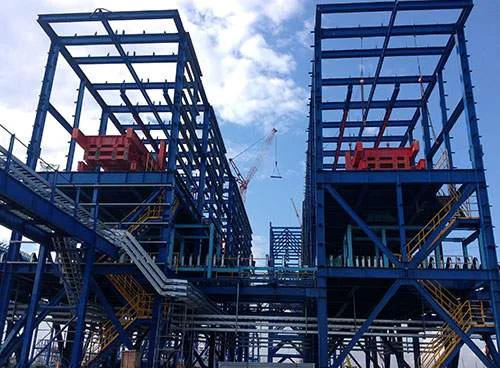
The Pratt truss is one of the most commonly used types, featuring diagonal members that slope toward the center. It is ideal for structures requiring strong vertical load support.
Applications:
- Warehouses
- Bridges
Howe Truss
The Howe truss features diagonal members sloping away from the center. This type is often used in bridges and industrial buildings.
Applications:
- Rail bridges
- Industrial roofs
Warren Truss
The Warren truss consists of equilateral triangles, distributing loads evenly across all members. It is particularly efficient in handling dynamic loads.
Applications:
- Roof systems
- Pedestrian bridges
K Truss
The K truss is designed with additional diagonal members forming a “K” shape. It is ideal for supporting longer spans and heavier loads.
Applications:
- Large warehouses
- Stadiums
Fink Truss
The Fink truss is commonly used in residential construction, featuring a series of smaller triangles that provide excellent load distribution.
Applications:
- Residential roofs
- Small commercial buildings
Table: Comparison of Steel Truss Types
| Type of Truss | Key Features | Best Applications |
|---|---|---|
| Pratt Truss | Diagonal members slope inward | Warehouses, bridges |
| Howe Truss | Diagonal members slope outward | Rail bridges, industrial roofs |
| Warren Truss | Triangular load distribution | Roof systems, pedestrian bridges |
| K Truss | Additional diagonal supports | Large warehouses, stadiums |
| Fink Truss | Smaller triangles for load spread | Residential roofs, small buildings |
How Steel Trusses Improve Large-Span Structures
Efficient Weight Distribution
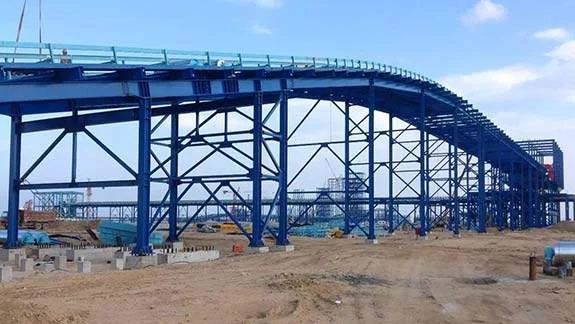
Steel trusses distribute weight evenly across the structure, reducing stress on individual components and minimizing the need for additional supports.
Unobstructed Space
By eliminating the need for internal columns or beams, steel trusses provide large, open spaces, ideal for sports arenas, exhibition halls, and industrial warehouses.
Speed of Construction
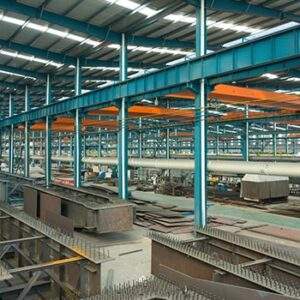
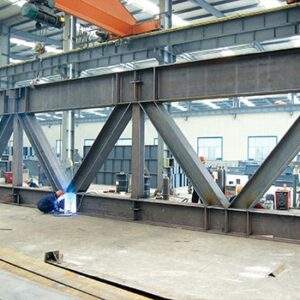
Steel trusses are prefabricated offsite, which speeds up the construction process and reduces labor costs. Their modular nature also allows for easy transportation and assembly.
Adaptability to Extreme Conditions
Steel trusses are resistant to extreme weather conditions, including heavy snow, strong winds, and earthquakes. Their durability ensures long-term structural integrity.
Aesthetic Appeal
Steel trusses can be designed to meet both functional and aesthetic requirements, contributing to modern architectural designs.
Conclusion
Steel trusses are a vital component in the construction of large-span structures, offering unmatched strength, durability, and design flexibility. Their ability to provide clear spans without internal supports makes them indispensable in modern architecture and engineering. Whether you’re designing a stadium, warehouse, or bridge, steel trusses ensure long-lasting and cost-effective solutions.
FAQ
What is a steel truss?
A steel truss is a structural framework made of steel that efficiently distributes loads through a series of triangular units.
Why are steel trusses used in large-span structures?
Steel trusses are used because of their strength-to-weight ratio, ability to span long distances without supports, and cost-effectiveness.
What types of steel trusses are available?
Common types include Pratt, Howe, Warren, K, and Fink trusses, each suited for specific applications.
How are steel trusses installed?
Steel trusses are typically prefabricated offsite and transported to the construction site, where they are assembled and installed.
Are steel trusses environmentally friendly?
Yes, steel is recyclable, and many trusses are made from recycled materials, making them a sustainable choice.
What industries use steel trusses?
Steel trusses are used in construction, transportation (bridges), sports facilities, and industrial applications.
How long do steel trusses last?
With proper maintenance, steel trusses can last for several decades, offering excellent durability and longevity.
What are the advantages of using steel over wood for trusses?
Steel offers greater strength, resistance to pests and decay, and better performance in extreme weather conditions compared to wood.
Can steel trusses be customized?
Yes, steel trusses can be designed to meet specific architectural and engineering requirements.
How do steel trusses handle heavy loads?
Steel trusses distribute loads evenly across their structure, minimizing stress on individual components and ensuring stability.