Table of Contents
Walk through any major industrial zone in Malaysia today — Selangor, Johor, Penang, or even the outskirts of Kuala Lumpur — and one thing becomes immediately clear: steel warehouse buildings are everywhere.
They are being used for logistics hubs, manufacturing plants, storage facilities, distribution centers, and large-scale industrial workshops. Over the last few years, steel structure construction has quietly become one of the preferred building solutions for businesses that want faster project execution, more flexible layouts, and long-term operational efficiency.
This shift is not happening by accident.
Malaysia’s industrial sector is evolving quickly. Warehousing needs are changing, supply chains are expanding, and businesses are under constant pressure to optimize space while reducing downtime during construction. Traditional concrete buildings still exist, but more developers and factory owners are moving toward prefabricated steel structures because they fit the pace of modern industrial growth.
For companies planning a new warehouse project, understanding why steel structures are becoming the mainstream option can help avoid costly design limitations later.
Steel Warehouse Buildings Are Built Around Operational Efficiency
Industrial construction is no longer only about building a structure that looks solid. Businesses now focus heavily on how efficiently a building performs after construction is completed.
That is one of the main reasons steel warehouse buildings have gained attention across Malaysia.
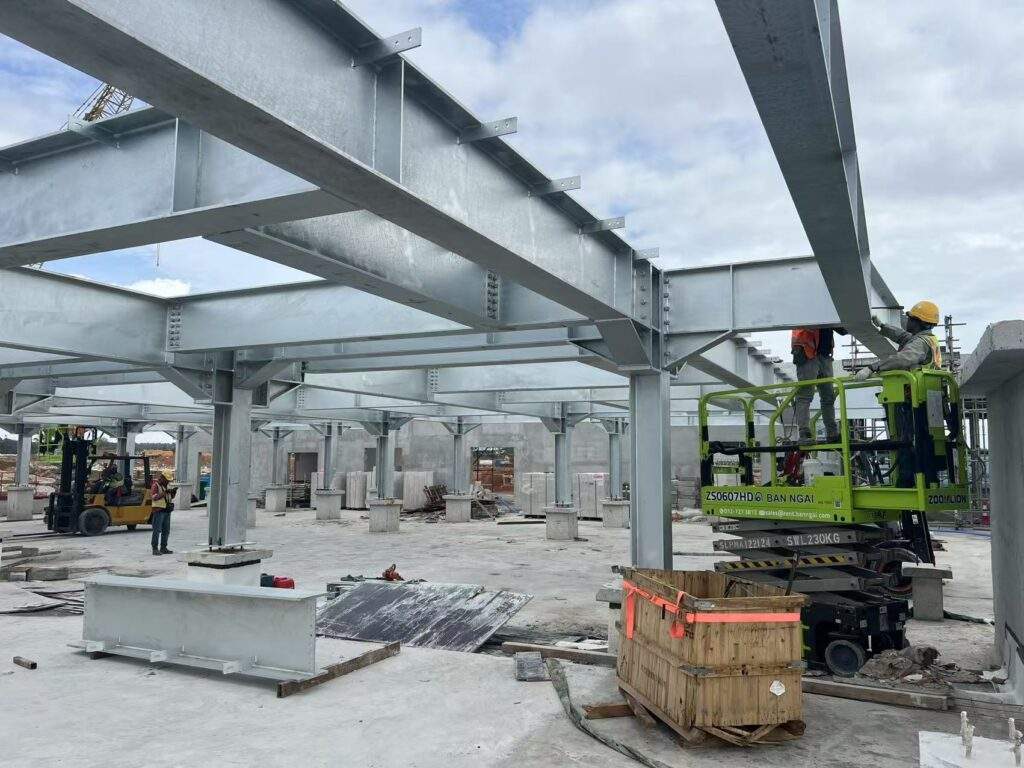
Unlike conventional structures that often require extensive on-site work, modern steel buildings are fabricated in advance and assembled with greater precision. This allows warehouse projects to move faster while maintaining consistent structural quality.
For logistics operators and manufacturers, time matters. A warehouse that becomes operational earlier supports inventory movement, production planning, and distribution schedules much sooner.
At the same time, steel structures allow larger open-span layouts. This is especially important for facilities that need:
- high-capacity storage systems
- forklift movement efficiency
- automated warehouse operations
- production equipment installation
- flexible loading and unloading areas
Concrete buildings often require more internal support columns, which can reduce usable operational space. Steel frame systems solve this issue more effectively.
Why Malaysian Industrial Projects Prefer Steel Structures
Malaysia’s climate and industrial environment create several practical construction challenges.
Heavy rainfall, humidity, long-term heat exposure, and demanding operational conditions require buildings that can maintain structural stability over time.
Steel structure warehouses are increasingly chosen because they perform well under these conditions when properly engineered and fabricated.
Some of the most common reasons businesses choose steel structures include:
Faster Installation Process
Prefabricated steel components arrive ready for assembly, which helps reduce lengthy on-site construction stages.
For industrial investors, shorter construction timelines mean projects can move into operation more quickly.
Easier Future Expansion
Many businesses in Malaysia start with one warehouse and later expand operations.
Steel structure systems are easier to extend compared with traditional concrete buildings. Additional bays, storage sections, or production areas can often be integrated with less disruption.
Better Space Utilization
Warehouse efficiency depends heavily on layout design.
Steel frame construction supports wide-span interiors that improve storage flexibility and workflow planning.
Lower Long-Term Maintenance Pressure
Modern galvanized steel structures are designed for durability and corrosion resistance, especially in humid industrial environments.
When proper fabrication and protective treatment are applied, steel buildings can maintain long service life with relatively manageable maintenance requirements.
The Rise of Logistics and E-Commerce Is Changing Warehouse Design

One major factor behind the growth of steel warehouse construction in Malaysia is the rapid expansion of logistics and e-commerce infrastructure.
Warehouses today are no longer simple storage spaces.
Modern facilities often include:
- integrated loading systems
- inventory automation areas
- mezzanine platforms
- ventilation systems
- insulated roofing solutions
- smart logistics layouts
This requires a building structure that is adaptable from the beginning.
Steel warehouse buildings support these requirements more effectively because the structural system itself is highly customizable. Engineers can design layouts according to operational flow instead of forcing businesses to adapt around rigid construction limitations.
That flexibility has become extremely valuable for manufacturers, distributors, and logistics companies across Southeast Asia.
Steel Structure Manufacturing Has Become More Advanced
The quality of modern steel structure fabrication is very different from older industrial construction methods.
Today, many steel structure manufacturers use advanced fabrication equipment, precision welding systems, and detailed engineering processes to improve production consistency.
This affects several important areas:
| Project Area | Impact on Warehouse Performance |
|---|---|
| Structural Accuracy | Better installation alignment |
| Steel Fabrication Quality | Improved long-term durability |
| Surface Treatment | Better corrosion resistance |
| Engineering Precision | More stable structural performance |
| Component Standardization | Faster assembly efficiency |
For industrial projects, these details matter more than many buyers initially realize.
Even small fabrication inconsistencies can create installation delays or operational limitations later.
That is why many businesses now prefer working directly with experienced steel structure manufacturers instead of purchasing through multiple intermediaries.
What Businesses Often Overlook Before Building a Warehouse
A surprising number of warehouse projects focus heavily on square footage while ignoring operational functionality.
In reality, warehouse performance depends on far more than size alone.
Before starting a steel structure project, businesses should carefully evaluate:
Internal Workflow Design
The building layout should support actual operational movement, not just maximize enclosed space.
Ventilation and Heat Control
Malaysia’s climate makes airflow and insulation extremely important for warehouse comfort and operational efficiency.
Loading Area Planning
Poor loading dock placement can create long-term logistics bottlenecks.
Future Automation Possibilities
Many businesses eventually upgrade to automated inventory systems or smart warehouse management technologies.
A properly designed steel structure should allow future adaptation.
Structural Load Requirements
Warehouses handling heavy machinery or industrial storage systems require accurate load planning from the beginning.
Skipping these considerations often creates expensive operational adjustments later.
More Manufacturers Are Moving Toward Customized Steel Buildings
Standard warehouse designs are becoming less common.
Different industries now require different structural solutions.
For example:
| Industry | Common Steel Structure Requirements |
|---|---|
| Manufacturing Plants | Heavy equipment support |
| Logistics Centers | Large clear-span layouts |
| Agricultural Storage | Ventilation-focused design |
| Industrial Workshops | Crane-ready steel frames |
| Distribution Warehouses | Flexible loading zones |
Because of this, customized steel structure fabrication has become increasingly important.
Businesses are no longer looking for generic industrial buildings. They want warehouse systems designed around their operations.
That trend is especially visible in Malaysia’s growing industrial corridors.
Why Direct Factory Cooperation Matters
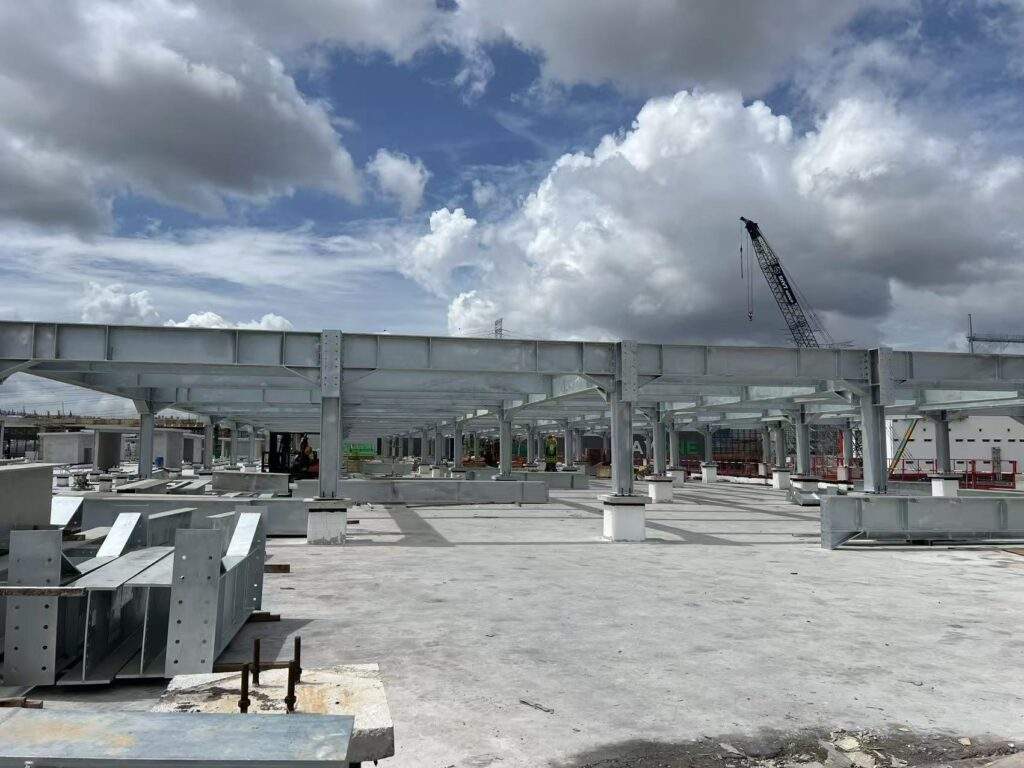
Many overseas buyers and local contractors have started sourcing directly from steel structure factories rather than relying solely on trading companies.
The reason is simple: communication and project control improve significantly.
Working directly with a steel structure manufacturer often provides advantages such as:
- more accurate technical communication
- better customization flexibility
- stable production scheduling
- clearer engineering coordination
- stronger fabrication quality management
- faster response during project adjustments
For complex industrial projects, these factors can directly affect project efficiency and long-term building performance.
A Modern Warehouse Is Now Part of Business Strategy
Years ago, warehouses were viewed mainly as storage spaces.
That mindset has changed.
Today, warehouse design directly influences:
- logistics efficiency
- production speed
- inventory management
- energy consumption
- workflow optimization
- expansion capability
Because of this, industrial developers are paying much closer attention to construction systems during early project planning.
Steel structure buildings fit modern operational requirements far better than many traditional building methods.
This is one reason demand for prefabricated steel warehouse construction continues to grow across Malaysia.
Common Mistakes That Can Affect Steel Structure Projects
Even high-quality steel buildings can face issues if project planning is weak.
Some common mistakes include:
Choosing a Supplier Without Engineering Experience
Not every supplier has strong structural engineering capability.
Ignoring Local Environmental Conditions
Corrosion protection and drainage planning are especially important in tropical regions.
Focusing Only on Initial Construction
Warehouse efficiency over the next ten or twenty years matters more than short-term decisions.
Poor Communication During Fabrication
Project delays often begin with unclear technical coordination.
Underestimating Future Expansion
Businesses grow. Warehouses should be designed with scalability in mind.
Avoiding these mistakes usually starts with choosing the right steel structure manufacturing partner.
Looking Ahead: Why Steel Structures Will Continue Growing in Malaysia
Several long-term trends are pushing steel warehouse demand higher across Malaysia:
- manufacturing expansion
- logistics infrastructure growth
- industrial park development
- smart warehouse adoption
- regional supply chain investment
- increasing demand for prefabricated construction
At the same time, businesses want industrial buildings that can adapt quickly to changing operational needs.
Steel structures support that flexibility better than many conventional systems.
For manufacturers, logistics operators, and industrial investors, steel warehouse construction is no longer simply a building choice — it has become part of long-term operational planning.
Need a Reliable Steel Structure Solution for Your Project?
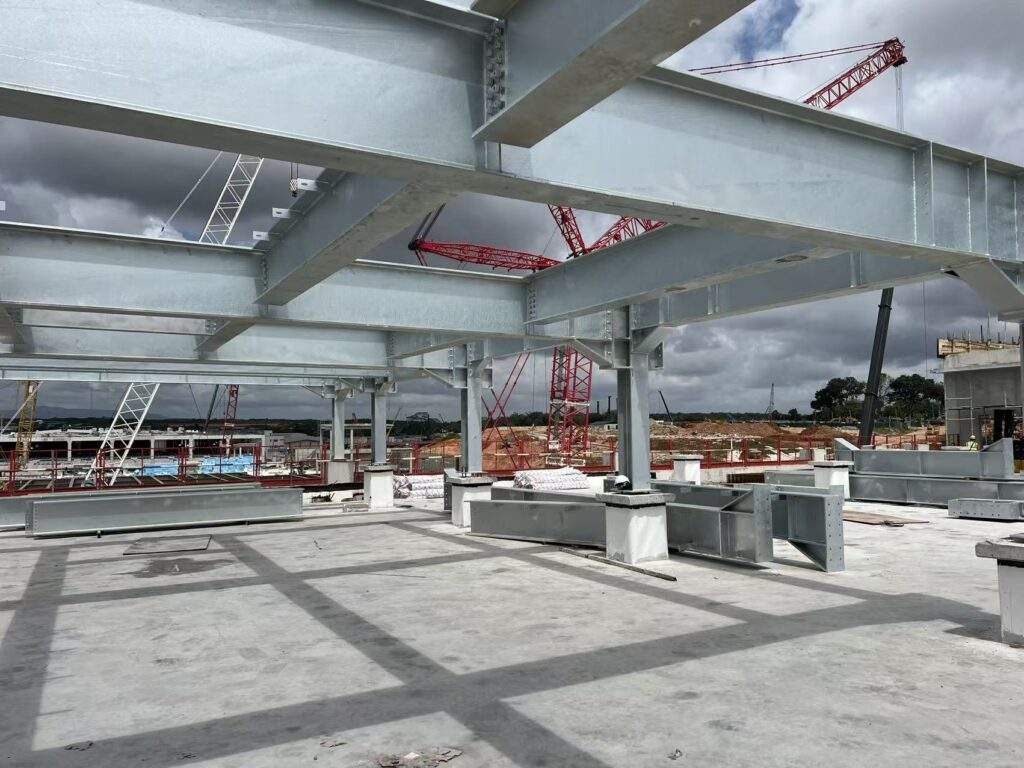
Whether you are planning a logistics warehouse, industrial workshop, factory extension, or large-scale storage facility, choosing the right steel structure manufacturer plays a major role in project success.
An experienced manufacturing team can help you optimize:
- warehouse layout planning
- steel structure fabrication
- structural engineering
- material selection
- project coordination
- installation efficiency
If you are looking for a customized steel warehouse solution for the Malaysia market, working directly with a professional steel structure factory can help improve both project quality and long-term operational performance.
Conclusion
Steel warehouse buildings are becoming the preferred construction solution for industrial projects across Malaysia because they combine flexibility, structural strength, efficient installation, and long-term adaptability.
As logistics networks expand and industrial operations become more advanced, businesses need warehouse systems that support efficiency instead of limiting it. Modern steel structure construction provides that advantage through customizable layouts, scalable design, and precision fabrication.
For companies planning future-ready industrial facilities, choosing an experienced steel structure manufacturer is no longer just about construction — it is about building a stronger operational foundation for long-term growth.
FAQ
What are the advantages of steel warehouse buildings?
Steel warehouse buildings offer faster installation, flexible layouts, large clear-span space, strong structural durability, and easier future expansion compared with traditional construction methods.
Why are steel structures popular in Malaysia?
Steel structures are widely used in Malaysia because they perform well in industrial environments, support fast project completion, and are suitable for logistics centers, factories, and warehouse developments.
How long do steel structure warehouses last?
With proper fabrication, corrosion protection, and regular maintenance, steel structure warehouses can provide long-term structural performance for industrial applications.
Can steel warehouse buildings be customized?
Yes. Steel warehouse buildings can be customized based on warehouse size, operational workflow, loading requirements, ventilation systems, and future expansion plans.
How do I choose a reliable steel structure manufacturer?
A reliable steel structure manufacturer should have strong engineering capability, advanced fabrication equipment, strict quality control processes, and experience with industrial warehouse projects.