Welcome to My Blog!
Before we dive into the content, I’d love for you to join me on my social media platforms where I share more insights, engage with the community, and post updates. Here’s how you can connect with me:
Facebook:https://www.facebook.com/profile.php?id=61565337355573
Now, let’s get started on our journey together. I hope you find the content here insightful, engaging, and valuable.
Table of Contents
Introduction
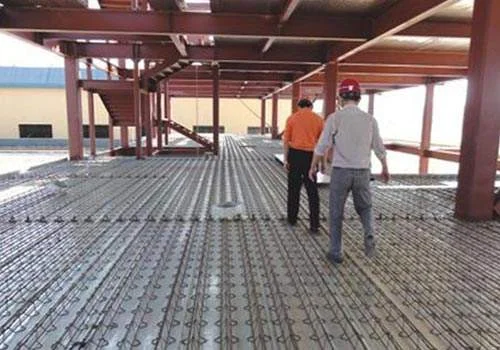
In the world of contemporary architecture and construction, pro steel structures are gaining widespread recognition for their versatility, durability, and sustainability. From high-rise skyscrapers to residential complexes, steel structures have become an integral component of modern design due to their unmatched strength and efficiency. This blog explores why pro steel structures are the preferred choice for modern buildings, how they are constructed, and their applications in various industries.
If you’re considering pro steel structures for your next project, this comprehensive guide will provide you with the insights needed to make an informed decision.
The Benefits of Pro Steel Structures
Strength and Durability
Pro steel structures are renowned for their exceptional strength-to-weight ratio, making them ideal for supporting large loads without compromising on structural integrity. Unlike traditional materials such as wood or concrete, steel is resistant to warping, cracking, and deterioration caused by environmental factors.
Flexibility in Design
Steel offers architects and engineers unparalleled flexibility in design. Pro steel structures can be molded into various shapes and sizes, allowing for creative and innovative architectural concepts. This adaptability is particularly advantageous for projects that require unique or complex geometries.
Sustainability
Steel is a highly sustainable material, as it is 100% recyclable. Pro steel structures contribute to environmentally friendly construction practices by minimizing waste and reducing the carbon footprint of a project. Furthermore, steel structures are often designed with energy efficiency in mind, incorporating features such as solar panels and insulated panels.
Cost-Effectiveness
While the initial investment in pro steel structures may be higher than some traditional materials, the long-term savings are significant. Reduced maintenance costs, faster construction timelines, and increased energy efficiency make steel structures a cost-effective choice in the long run.
Resistance to Natural Disasters
Pro steel structures are highly resistant to natural disasters such as earthquakes, hurricanes, and fires. Their resilience ensures the safety of occupants and the longevity of the building.
How Pro Steel Structures Are Constructed

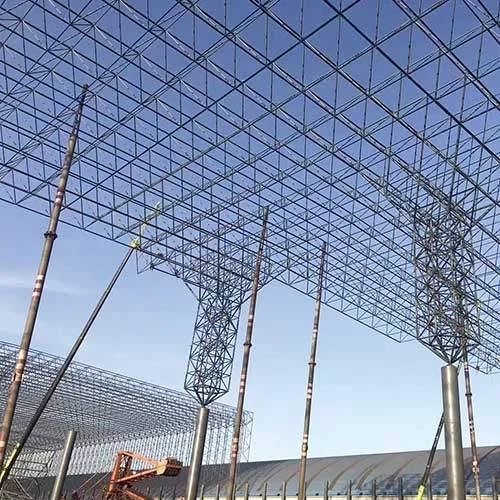
The Construction Process
The construction of pro steel structures involves several key stages:
- Design and Planning
Architects and engineers create detailed plans and blueprints, considering factors such as load-bearing capacity, environmental conditions, and aesthetic requirements. - Fabrication
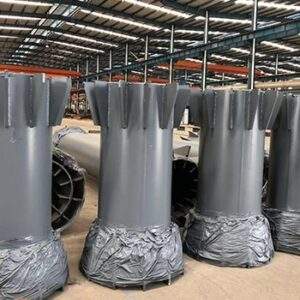
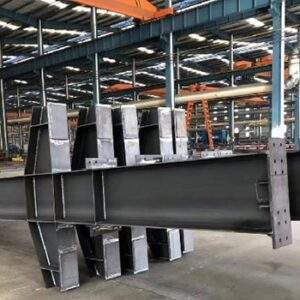
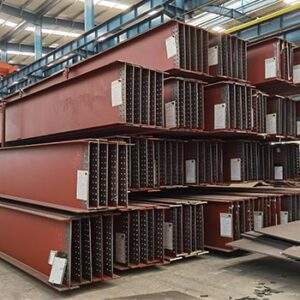
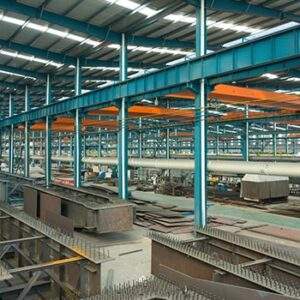
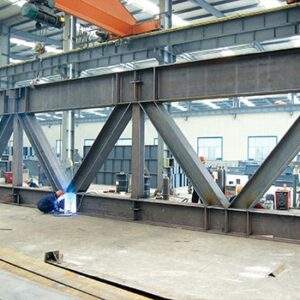
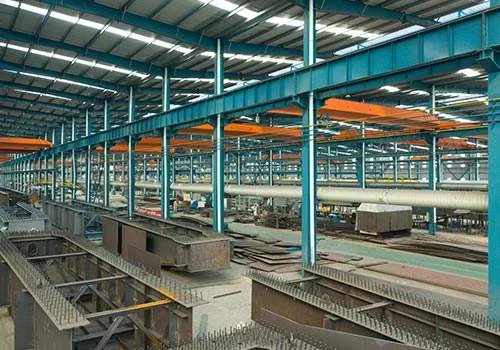
Steel components are fabricated in specialized factories using cutting-edge technology. Precision cutting, welding, and assembly ensure that the components meet exact specifications. - Transportation
The fabricated components are transported to the construction site, where they are assembled. - Erection and Assembly
The steel components are erected and joined together using bolts, welds, or rivets. Advanced construction techniques and equipment are employed to ensure safety and efficiency. - Finishing and Inspection
Once the structure is complete, finishing touches such as painting and coating are applied. A thorough inspection is conducted to ensure compliance with safety and quality standards.
Types of Pro Steel Structures
Pro steel structures can be classified into several types based on their applications:
- Frame Structures: Commonly used in high-rise buildings and industrial facilities.
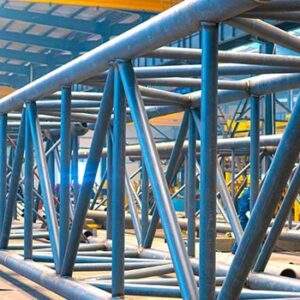
- Truss Structures: Ideal for spanning large areas such as roofs and bridges.
- Shell Structures: Used for curved designs such as domes and tanks.
- Tension Structures: Often employed in sports arenas and exhibition halls.
Table: Key Features of Pro Steel Structures
| Feature | Description |
|---|---|
| Material Strength | High load-bearing capacity and resistance to deformation. |
| Design Flexibility | Adaptable to complex shapes and unique architectural needs. |
| Durability | Long lifespan with minimal maintenance required. |
| Eco-Friendliness | Recyclable and supports sustainable building practices. |
| Construction Speed | Prefabricated components enable faster assembly. |
| Disaster Resistance | High resilience against earthquakes, hurricanes, and fires. |
Applications of Pro Steel Structures


High-Rise Buildings
Pro steel structures are the backbone of modern skyscrapers. Their strength and flexibility allow for the construction of tall buildings that can withstand high wind loads and seismic activity.
Industrial Facilities
Steel structures are widely used in industrial settings such as factories, warehouses, and power plants. Their durability and ability to support heavy machinery make them a practical choice for such applications.
Commercial Buildings
Shopping malls, office complexes, and entertainment centers often utilize pro steel structures for their spacious layouts and aesthetic appeal.
Bridges and Infrastructure
Steel’s ability to span long distances without support makes it ideal for bridges, flyovers, and other infrastructure projects.
Residential Projects
Pro steel structures are increasingly being used in residential construction due to their cost-effectiveness, energy efficiency, and modern aesthetic.
Factors to Consider When Choosing Pro Steel Structures
Project Requirements
Assess the specific requirements of your project, including load capacity, environmental conditions, and design preferences.
Budget Constraints
While pro steel structures offer long-term savings, it’s essential to evaluate your initial budget and choose a solution that aligns with your financial plan.
Quality Standards
Ensure that the steel used in your project meets industry standards for quality and safety. Certifications and warranties are indicators of reliable materials.
Supplier Reputation
Choose a supplier with a proven track record of delivering high-quality steel components and reliable customer service.
Conclusion
Pro steel structures are revolutionizing the construction industry by offering a combination of strength, flexibility, and sustainability. From high-rise buildings to bridges and industrial facilities, their applications are vast and varied. By understanding the benefits, construction process, and factors to consider when choosing steel structures, you can ensure the success of your next project.
Investing in pro steel structures is not just a choice for the present—it’s a commitment to creating durable, efficient, and environmentally friendly buildings that will stand the test of time.
FAQ
What are professional steel structures?
Pro steel structures are buildings or components made primarily from steel, designed for strength, durability, and flexibility in construction.
Why are professional steel structures popular in modern construction?
They offer benefits such as high strength, design flexibility, sustainability, and resistance to natural disasters, making them ideal for contemporary projects.
How long do professional steel structures last?
With proper maintenance, steel structures can last several decades, often exceeding 50 years.
Are professional steel structures environmentally friendly?
Yes, steel is 100% recyclable and supports sustainable construction practices.
What industries commonly use professional steel structures?
Industries such as construction, manufacturing, transportation, and energy heavily rely on steel structures.
Can professional steel structures withstand earthquakes?
Yes, their high ductility and strength make them resistant to seismic activity.
How are professional steel structures fabricated?
They are fabricated in specialized factories using advanced technology to ensure precision and quality.
What is the cost of maintaining a professional steel structure?
Maintenance costs are relatively low, as steel is resistant to corrosion and wear when properly coated.
Can professional steel structures be customized?
Yes, they can be tailored to meet specific design and functional requirements.
What are the future trends in professional steel structures?
Future trends include increased use of modular construction, smart steel technology, and further integration with sustainable building practices.