Welcome to My Blog!
Before we dive into the content, I’d love for you to join me on my social media platforms where I share more insights, engage with the community, and post updates. Here’s how you can connect with me:
Facebook:https://www.facebook.com/profile.php?id=61565337355573
Now, let’s get started on our journey together. I hope you find the content here insightful, engaging, and valuable.
Table of Contents
Introduction
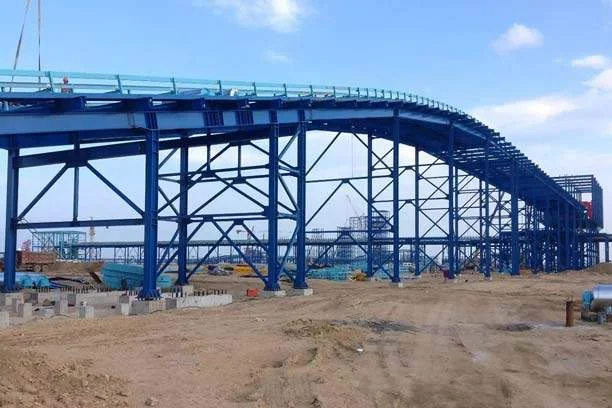
High quality steel structures have become the preferred choice for modern construction projects due to their strength, durability, and cost-effectiveness. From commercial buildings and industrial facilities to bridges and residential homes, steel structures provide unparalleled advantages over traditional construction materials.
The demand for high quality steel structures is growing as industries seek sustainable, resilient, and efficient building solutions. With advancements in manufacturing, design, and engineering, steel structures now offer superior performance, environmental benefits, and long-term cost savings.
This article explores the benefits of high quality steel structures, key factors in their selection, industry applications, and a comparative table highlighting essential characteristics. A detailed FAQ section at the end addresses common queries related to steel structures.
What Makes High Quality Steel Structures Superior?
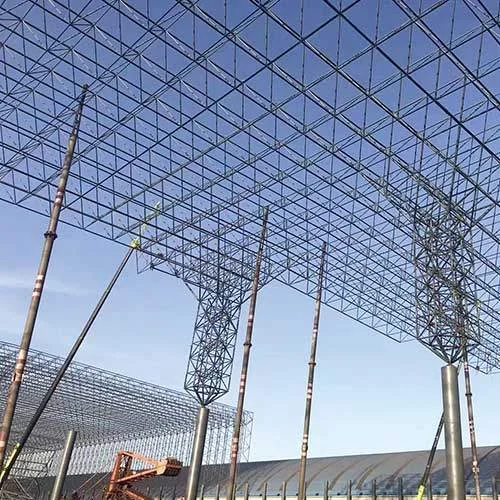
Strength and Durability
Steel is one of the strongest construction materials, providing excellent resistance to external forces such as wind, earthquakes, and heavy loads. High quality steel structures are designed to withstand harsh environmental conditions, ensuring longevity and reliability.
Key benefits of steel’s strength and durability include:
- Higher load-bearing capacity compared to concrete or wood
- Resistance to fire, corrosion, and pests
- Ability to maintain structural integrity over decades
Cost Efficiency and Economic Benefits
Although the initial investment in high quality steel structures may be higher than other materials, they offer significant cost savings in the long run. Prefabricated steel components reduce labor costs and construction time, minimizing project expenses.
Economic benefits include:
- Faster construction reduces labor costs
- Minimal maintenance requirements lower long-term expenses
- Energy-efficient steel buildings reduce operational costs
Sustainability and Environmental Impact
Steel is one of the most sustainable construction materials, with high recyclability and minimal waste production. High quality steel structures contribute to green building practices and reduce the carbon footprint of construction projects.
Sustainable advantages include:
- 100% recyclability, reducing environmental waste
- Energy-efficient designs for lower energy consumption
- Reduced material waste during fabrication and installation
Design Flexibility and Customization
Modern high quality steel structures offer immense design flexibility, allowing architects and engineers to create customized solutions for various applications. Steel can be fabricated into complex shapes and large spans without compromising strength.
Customization advantages include:
- Ability to construct wide-span buildings without columns
- Versatile architectural designs for different industries
- Easy modifications and expansions for future needs
Safety and Fire Resistance
Steel structures provide enhanced safety features, including fire-resistant coatings and earthquake-resistant designs. High quality steel structures are engineered to meet international safety standards, ensuring maximum protection for occupants.
Key safety features include:
- Non-combustible material reduces fire hazards
- Earthquake-resistant designs for high-risk zones
- Compliance with building safety codes and regulations
Comparative Analysis of High Quality Steel Structures


| Feature | High Quality Steel Structures | Traditional Construction Materials |
|---|---|---|
| Strength | High load-bearing capacity, impact-resistant | Lower structural strength, prone to damage |
| Durability | Resistant to corrosion, fire, and pests | Susceptible to weather damage, decay |
| Construction Time | Fast assembly with prefabricated components | Longer construction period due to manual work |
| Maintenance | Low maintenance, minimal repairs | Regular maintenance required |
| Sustainability | Recyclable, environmentally friendly | High waste production, non-recyclable materials |
| Design Flexibility | Customizable, adaptable to complex designs | Limited design options |
| Cost Efficiency | Long-term savings on maintenance and repairs | Higher operational costs |
| Safety | High fire resistance, earthquake resilience | Lower fire resistance, potential safety risks |
Applications of High Quality Steel Structures
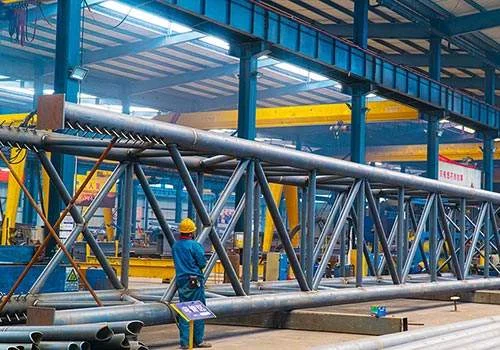
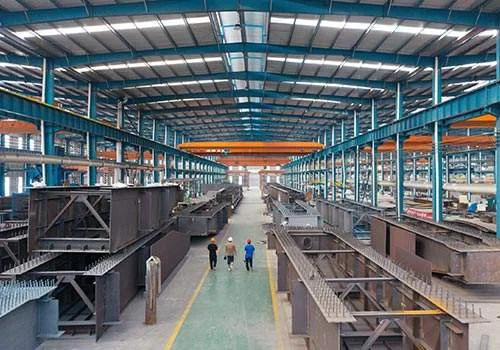
Industrial and Commercial Buildings
High quality steel structures are widely used in industrial and commercial construction due to their strength, efficiency, and adaptability. Warehouses, factories, office buildings, and shopping malls benefit from steel’s durability and design flexibility.
- Prefabricated steel buildings allow for quick installation
- Steel warehouses provide large open spaces for storage and operations
- Commercial buildings benefit from modern, energy-efficient steel structures
Bridges and Infrastructure
Steel structures play a crucial role in infrastructure projects, including bridges, highways, and tunnels. Their ability to withstand heavy loads and extreme weather conditions makes them ideal for transportation networks.
- Steel bridges are lightweight yet strong, reducing construction costs
- High quality steel structures ensure long-term reliability in infrastructure projects
- Corrosion-resistant coatings enhance the lifespan of steel infrastructure
Residential and Modular Housing
Steel is increasingly used in residential construction for modular and prefabricated homes. High quality steel structures provide homeowners with energy-efficient, durable, and sustainable housing solutions.
- Steel-framed homes offer superior structural integrity
- Modular steel homes are cost-effective and customizable
- Fire-resistant and termite-proof steel enhances home safety
Agriculture and Storage Facilities
Steel structures are ideal for agricultural buildings, including barns, greenhouses, and grain storage facilities. Their ability to withstand harsh environmental conditions ensures long-term agricultural productivity.
- Steel storage facilities protect crops and equipment from weather damage
- Greenhouses with steel frames provide optimal growing conditions
- Prefabricated steel barns offer cost-effective farming solutions
Aerospace and High-Tech Industries
High quality steel structures are essential in the aerospace and technology sectors, where precision engineering and structural integrity are crucial. Steel is used in aircraft hangars, research facilities, and high-tech manufacturing plants.
- Aerospace hangars require large, durable steel frameworks
- High-tech industries benefit from steel’s strength and customization options
- Steel structures ensure stability in precision manufacturing environments
Conclusion
High quality steel structures are the future of construction, offering unmatched strength, durability, cost efficiency, and sustainability. Their applications span multiple industries, providing reliable solutions for commercial, industrial, residential, and infrastructure projects.
With advancements in steel manufacturing and engineering, the demand for high quality steel structures will continue to rise. Their ability to withstand environmental challenges, provide design flexibility, and reduce long-term costs makes them an excellent choice for modern construction.
By choosing high quality steel structures, businesses and individuals can invest in a sustainable, efficient, and resilient building solution that meets the demands of the future.
FAQ
What are the main advantages of high quality steel structures?
High quality steel structures offer superior strength, durability, cost efficiency, sustainability, and design flexibility. They require minimal maintenance and provide excellent resistance to fire, corrosion, and environmental conditions.
Are steel structures environmentally friendly?
Yes, steel is one of the most sustainable building materials. It is 100% recyclable, reduces construction waste, and supports energy-efficient building designs.
How long do high quality steel structures last?
With proper maintenance and protective coatings, steel structures can last for several decades, often exceeding 50 years. Their durability depends on environmental factors and structural design.
What industries benefit the most from high quality steel structures?
Industries such as construction, manufacturing, aerospace, agriculture, and infrastructure development benefit significantly from steel structures due to their strength, adaptability, and cost-effectiveness.
How do steel structures compare to traditional concrete buildings?
Steel structures are generally lighter, stronger, and faster to construct than concrete buildings. They also offer greater design flexibility, lower maintenance costs, and better environmental sustainability.
Can high quality steel structures be customized?
Yes, steel structures can be customized to meet specific project requirements, including size, shape, load-bearing capacity, and aesthetic design preferences.