Welcome to My Blog!
Before we dive into the content, I’d love for you to join me on my social media platforms where I share more insights, engage with the community, and post updates. Here’s how you can connect with me:
Facebook:https://www.facebook.com/profile.php?id=61565337355573
Now, let’s get started on our journey together. I hope you find the content here insightful, engaging, and valuable.
Table of Contents
Introduction
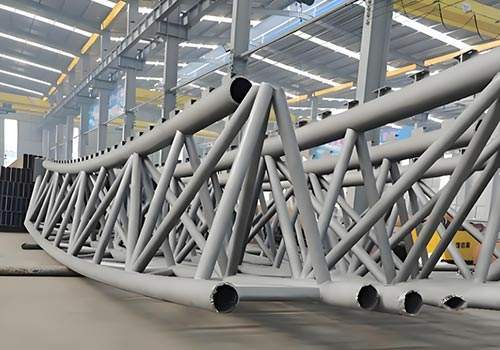
In the ever-evolving world of construction, selecting the right structural components is critical to ensuring a project’s success. Among the many options available, the composite truss beam has emerged as a standout choice for architects, engineers, and builders. This innovative structural solution combines the strength of steel with the versatility of other materials, offering a robust yet lightweight framework for a wide range of applications. At Guanglei, a leading modern enterprise established in 2002, we specialize in the design, production, and installation of high-quality composite truss beams. With advanced production equipment and strong manufacturing capabilities, we provide reliable solutions for large-scale steel structure projects. This blog explores why composite truss beams are the ideal choice for your next project, diving into their benefits, applications, and technical advantages.
What Is a Composite Truss Beam?
A composite truss beam is a structural element that integrates steel trusses with other materials, such as concrete or composite decking, to create a highly efficient and durable framework. The truss design, characterized by its triangular configuration, distributes loads evenly, making it exceptionally strong and stable. By combining steel’s tensile strength with the compressive strength of materials like concrete, truss beams achieve a balance of lightweight construction and heavy-duty performance. This hybrid approach makes them suitable for various projects, from commercial buildings to infrastructure developments like bridges and industrial facilities.
Key Components of a Truss Beam
The truss beam consists of several critical components, including steel chords, web members, and composite materials like concrete slabs or decking. The steel truss provides the skeletal structure, while the composite material enhances load-bearing capacity and resistance to environmental factors. This combination allows the beam to handle significant structural demands while maintaining a relatively low weight, which is a key advantage in modern construction.
Benefits of Using Composite Truss Beam in Construction
The composite truss beam offers numerous advantages that make it a preferred choice for construction projects. Its unique design and material composition provide benefits that traditional beams, such as solid steel or concrete beams, cannot match. Below, we explore some of the primary reasons why builders and engineers opt for truss beams.
Enhanced Structural Efficiency
One of the standout features of a composite truss beam is its exceptional structural efficiency. The triangular truss configuration ensures optimal load distribution, reducing stress concentrations and enhancing stability. By integrating composite materials, the beam achieves a high strength-to-weight ratio, allowing it to support heavy loads without adding unnecessary bulk to the structure. This efficiency translates to cost savings in materials and transportation, making it an economical choice for large projects.
Cost-Effectiveness of Truss Beam
Cost is a critical factor in any construction project, and composite truss beams offer significant financial benefits. Their lightweight nature reduces the need for heavy foundations, lowering foundation costs. Additionally, the prefabrication process, which Guanglei has perfected since its founding in 2002, allows for faster assembly and reduced labor expenses. The durability of truss beams also minimizes maintenance costs over the structure’s lifespan, making them a cost-effective long-term investment.
Versatility in Design and Application
Composite truss beams are highly versatile, accommodating a wide range of architectural and engineering requirements. Whether used in high-rise buildings, bridges, or industrial warehouses, these beams can be customized to meet specific project needs. At Guanglei, our advanced production capabilities allow us to tailor truss beams to precise specifications, ensuring seamless integration into diverse construction projects. This adaptability makes them a go-to solution for complex designs.
Applications of Composite Truss Beam in Modern Projects
The versatility of composite truss beams makes them suitable for a variety of construction applications. Their ability to combine strength, lightweight construction, and aesthetic flexibility has led to their widespread adoption in both commercial and infrastructure projects.
Commercial and Industrial Buildings
In commercial and industrial settings, truss beams are often used to create large, open spaces without the need for excessive support columns. This is particularly valuable in warehouses, shopping centers, and office buildings, where unobstructed floor space enhances functionality and aesthetics. Guanglei’s expertise in producing truss beams ensures that these structures meet stringent safety and performance standards.
Infrastructure and Bridge Construction
Composite truss beams are also a popular choice for infrastructure projects, such as bridges and overpasses. Their ability to span long distances while maintaining structural integrity makes them ideal for these applications. The combination of steel and composite materials ensures resistance to environmental factors like corrosion and fatigue, extending the lifespan of critical infrastructure.
Technical Specifications of Composite Truss Beam
To better understand the capabilities of truss beams, the following table outlines their key technical specifications. These attributes highlight why they are a superior choice for modern construction projects.
| Feature | Description |
|---|---|
| Material Composition | Steel truss with composite concrete slab or decking |
| Load-Bearing Capacity | High, suitable for heavy loads and long spans |
| Weight | Lightweight compared to solid steel or concrete beams |
| Span Length | Up to 100 meters, depending on design and material |
| Corrosion Resistance | Enhanced through protective coatings and composite materials |
| Fire Resistance | Improved with fire-retardant composite materials |
| Installation Time | Reduced due to prefabrication and lightweight design |
| Customization Options | Highly customizable for specific project requirements |
| Lifespan | 50+ years with proper maintenance |
This table demonstrates the technical advantages of composite truss beams, making them a reliable and efficient choice for various construction needs.
Sustainability and Environmental Benefits
Sustainability is a growing concern in the construction industry, and truss beams contribute to eco-friendly building practices. The use of composite materials reduces the overall material volume required, minimizing resource consumption. Additionally, the lightweight nature of these beams lowers transportation-related carbon emissions. At Guanglei, we prioritize sustainable manufacturing processes, ensuring that our truss beams align with modern environmental standards.
Reduced Material Waste
The prefabrication process for truss beams, refined by Guanglei over two decades, minimizes material waste during production. Components are precisely engineered to fit project specifications, reducing excess material and contributing to a more sustainable construction process.
Ease of Installation with Composite Truss Beam
One of the practical advantages of truss beams is their ease of installation. Their lightweight design simplifies transportation and handling on-site, while prefabrication ensures that components arrive ready for assembly. This streamlined process reduces construction time and labor costs, allowing projects to stay on schedule and within budget. Guanglei’s integrated approach to design, production, and installation ensures that our truss beams are delivered with precision and efficiency.
Durability and Long-Term Performance
Durability is a hallmark of composite truss beams. The combination of steel and composite materials provides excellent resistance to environmental factors such as corrosion, moisture, and temperature fluctuations. This durability ensures that structures built with truss beams maintain their integrity over decades, reducing the need for costly repairs or replacements. Guanglei’s commitment to quality, backed by advanced production equipment, guarantees that our truss beams deliver long-term performance.
Safety Considerations for Composite Truss Beam
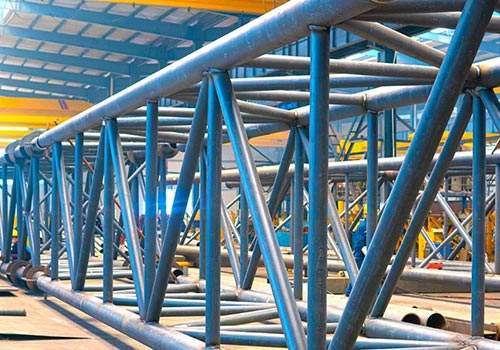
Safety is paramount in construction, and composite truss beams are designed with this in mind. Their high strength-to-weight ratio ensures structural stability, while fire-resistant composite materials enhance safety in case of emergencies. Additionally, the precise engineering of composite truss beams minimizes the risk of structural failure, providing peace of mind for builders and occupants alike.
Conclusion
In summary, the composite truss beam is a game-changer in modern construction, offering unmatched structural efficiency, cost-effectiveness, and versatility. Its ability to combine the strength of steel with the benefits of composite materials makes it an ideal solution for a wide range of projects, from commercial buildings to infrastructure developments. At Guanglei, our 20+ years of experience and advanced production capabilities ensure that our composite truss beams meet the highest standards of quality and performance. Whether you’re planning a large-scale steel structure project or a smaller commercial build, choosing a composite truss beam will elevate your project’s success. Contact us today to learn how Guanglei can provide tailored composite truss beam solutions for your next project!
FAQ
What is a composite truss beam made of?
A composite truss beam typically consists of a steel truss framework combined with materials like concrete slabs or composite decking, providing a balance of strength and lightweight construction.
How does a composite truss beam compare to traditional beams?
Compared to solid steel or concrete beams, composite truss beams offer a higher strength-to-weight ratio, greater design flexibility, and reduced material costs, making them a more efficient choice.
Can composite truss beams be used in residential projects?
While primarily used in commercial and infrastructure projects, composite truss beams can be adapted for residential applications, particularly in large homes or multi-story buildings requiring long spans.