Welcome to My Blog!
Before we dive into the content, I’d love for you to join me on my social media platforms where I share more insights, engage with the community, and post updates. Here’s how you can connect with me:
Facebook:https://www.facebook.com/profile.php?id=61565337355573
Now, let’s get started on our journey together. I hope you find the content here insightful, engaging, and valuable.
Table of Contents
Introduction
C type steel beams, also known as C channels or C-shaped beams, are crucial components in construction and structural engineering. Their distinctive C shape provides excellent strength and versatility, making them suitable for various applications. This blog will explore the features, advantages, and applications of C type steel beams while answering common questions and providing a comprehensive understanding of this essential material.
What Are C Type Steel Beams?

Definition and Structure of C Type Steel Beams
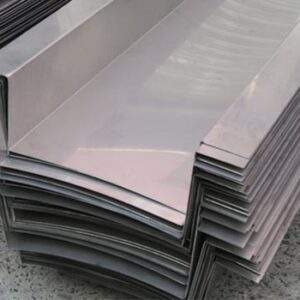
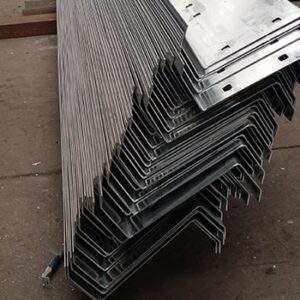
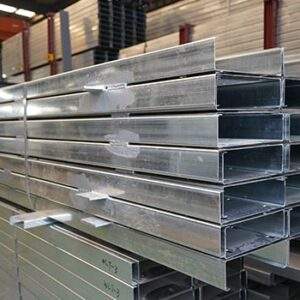
C type steel beams are structural steel sections with a C-shaped cross-section. They are manufactured through hot-rolled or cold-formed processes, providing a balance between strength and weight. The flanges and web of the C channel contribute to its ability to support loads effectively while allowing for easy connection to other structural elements.
Common Specifications and Dimensions
C type steel beams come in various sizes and specifications, depending on their intended use. Common dimensions include:
- Height: Typically ranging from 3 inches to 12 inches.
- Flange Width: Ranges from 2 inches to 6 inches.
- Thickness: Varies based on the beam’s application and load requirements.
Understanding these specifications is essential for selecting the appropriate beam for a project.
Advantages of Using C Type Steel Beams
Structural Strength
C type steel beams offer exceptional strength-to-weight ratios, making them ideal for supporting heavy loads without excessive material use. Their design allows for efficient load distribution, making them a preferred choice in structural applications.
Versatility in Applications
The versatility of C type steel beams makes them suitable for various applications, including:
- Building frameworks: Used in commercial and residential construction.
- Bridging: Providing support for pedestrian and vehicular bridges.
- Industrial structures: Commonly found in warehouses and factories.
Ease of Fabrication and Installation
C type steel beams can be easily cut, welded, and connected to other structural elements. This ease of fabrication reduces construction time and labor costs, making them an efficient choice for builders.
Cost-Effectiveness
C type steel beams are often more cost-effective than other structural options, such as I-beams or hollow sections. Their availability and competitive pricing contribute to overall project affordability.
Resistance to Environmental Factors
Steel beams, including C type steel beams, offer resistance to pests, mold, and rot, making them suitable for various environments. Properly coated or treated beams can withstand exposure to moisture and chemicals, increasing their lifespan.
Applications of C Type Steel Beams

Common Uses in Construction
C type steel beams find application in numerous construction projects due to their strength and versatility. Some common uses include:
- Roofing systems: Providing support for roof structures.
- Flooring systems: Acting as beams in multi-story buildings.
- Framing: Used in walls and other structural components.
Industrial Applications
In industrial settings, C type steel beams are often used in:
- Racking systems: Supporting heavy loads in warehouses.
- Machinery bases: Providing stability for industrial equipment.
- Structural support for overhead cranes.
Civil Engineering
C type steel beams are commonly used in civil engineering projects such as bridges, tunnels, and elevated walkways. Their ability to withstand heavy loads and resist deformation makes them ideal for these demanding applications.
Comparison of C Type Steel Beams with Other Steel Beam Types
The following table compares C type steel beams with other common steel beam types, highlighting their key differences and applications.
| Beam Type | Shape | Typical Applications | Strength-to-Weight Ratio | Cost Effectiveness |
|---|---|---|---|---|
| C Type Steel Beam | C-shaped | Building frameworks, bridges | High | High |
| I-Beam | I-shaped | Beams in large buildings, bridges | Very High | Moderate |
| HSS (Hollow Steel Section) | Circular/Square | Columns, structural frames | Moderate | High |
| T-Beam | T-shaped | Roof trusses, flooring systems | High | Moderate |
This comparison illustrates how C-shaped steel beams hold their own in terms of strength and cost-effectiveness, making them a viable option for various projects.
How to Select the Right C Type Steel Beam

Factors to Consider
When selecting a C-shaped steel beam for your project, consider the following factors:
- Load requirements: Determine the loads the beam will support, including static and dynamic loads.
- Length and span: Assess the required span between supports to ensure adequate beam sizing.
- Environmental conditions: Consider exposure to moisture, chemicals, or extreme temperatures.
Calculating Beam Size
To calculate the appropriate C-shaped steel beam size, engineers often use formulas based on load, span, and beam properties. Working with a structural engineer can help ensure the selected beam meets safety and performance standards.
Conclusion
C-shaped steel beams are an essential component in modern construction and structural engineering. Their strength, versatility, and cost-effectiveness make them suitable for various applications, from residential buildings to industrial structures. Understanding their specifications, advantages, and applications can help you make informed decisions when selecting materials for your projects.
By considering factors such as load requirements and environmental conditions, you can ensure that your chosen C-shaped steel beam will provide the necessary support and durability.
FAQ
Q: What is a C-shaped steel beam used for?
C-shaped steel beams are used for structural support in various applications, including building frameworks, bridges, and industrial structures.
Q: How does the size of a C-shaped steel beam affect its strength?
Larger C-shaped steel beams typically have a higher load-bearing capacity due to their increased cross-sectional area, which provides greater structural strength.
Q: Can C-shaped steel beams be used outdoors?
Yes, C-shaped steel beams can be used outdoors. However, they should be treated or coated to prevent corrosion and damage from environmental factors.
Q: How do I determine the appropriate size of a C-shaped steel beam for my project?
To determine the appropriate size, consider factors such as load requirements, span length, and environmental conditions. Consulting with a structural engineer is recommended for accurate calculations.
Q: Are C type steel beams more cost-effective than other beam types?
C-shaped steel beams are often more cost-effective than other types, such as I-beams, due to their availability and competitive pricing.