Welcome to My Blog!
Before we dive into the content, I’d love for you to join me on my social media platforms where I share more insights, engage with the community, and post updates. Here’s how you can connect with me:
Facebook:https://www.facebook.com/profile.php?id=61565337355573
Now, let’s get started on our journey together. I hope you find the content here insightful, engaging, and valuable.
Table of Contents
Introduction


In the field of construction and engineering, ensuring structural stability is paramount to guarantee the safety, durability, and longevity of buildings and other structures. This brings us to a fundamental question: what is structural bracing, and why is it so essential? Structural bracing is a critical system or method used to strengthen and reinforce structures, offering additional support to counteract external forces such as wind, seismic activity, or other dynamic loads. By understanding what is structural bracing, professionals can design safer and more resilient buildings. In this comprehensive blog, we will delve into the core aspects of what is structural bracing, exploring its significance, various types, diverse applications, and the key benefits it brings to modern construction projects.
The Importance of Structural Bracing
Understanding what is structural bracing is essential because it plays a crucial role in maintaining the integrity and safety of buildings. Structural bracing ensures that structures can effectively withstand both static and dynamic forces, such as those caused by wind, earthquakes, and other environmental stresses, thereby minimizing the risk of collapse or severe damage. Without a clear understanding of what is structural bracing and its proper implementation, buildings become significantly more vulnerable to issues such as deformation, instability, and even catastrophic failure. This highlights the critical importance of knowing what is structural bracing and how it contributes to the resilience and durability of structures.
Why Structural Bracing Matters
- Enhanced Stability: Prevents movement and deformation caused by external forces.
- Safety Assurance: Protects occupants and assets within the structure.
- Code Compliance: Meets legal and engineering standards for construction.
Types of Structural Bracing

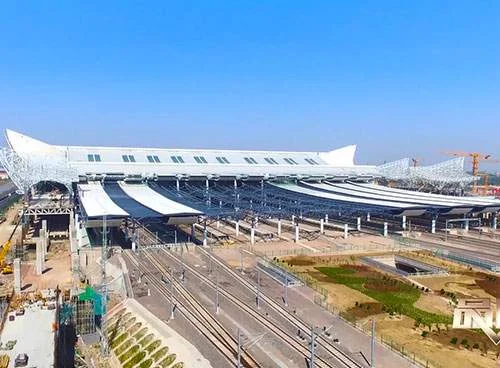
Understanding what is structural bracing and the different types available is crucial for selecting the right system for specific applications. Each type of structural bracing is carefully designed to address unique challenges posed by various construction projects, such as wind forces, seismic activities, or load-bearing requirements. By fully grasping what is structural bracing, professionals can make informed decisions that align with the project’s needs, ensuring both safety and efficiency. This knowledge of what is structural bracing empowers engineers and architects to choose the most appropriate bracing system, ultimately enhancing the stability and durability of the structure.
Common Types of Structural Bracing
Diagonal Bracing
Diagonal bracing involves the use of diagonal members to reinforce a frame, forming a triangular configuration. It is highly effective in resisting lateral forces such as wind and earthquakes.
Cross Bracing
Cross bracing uses two diagonal members that intersect, forming an X shape. This configuration is widely used in steel structures to provide maximum stability.
K-Bracing
K-bracing involves diagonal members arranged in a K-shape, connecting to a vertical column. It is commonly found in multi-story buildings to resist horizontal forces.
Shear Walls
Shear walls are vertical elements made of reinforced concrete or steel. They act as bracing systems by transferring lateral forces to the ground.
Moment Frames
Moment frames rely on rigid connections between beams and columns to resist lateral forces. They offer flexibility and strength, making them suitable for buildings with open spaces.
Table: Comparison of Structural Bracing Types
| Bracing Type | Materials Used | Primary Application | Key Advantage |
|---|---|---|---|
| Diagonal Bracing | Steel, wood | Residential and industrial | Simple and cost-effective |
| Cross Bracing | Steel, aluminum | High-rise buildings | Maximum lateral stability |
| K-Bracing | Steel, reinforced wood | Multi-story buildings | Efficient force distribution |
| Shear Walls | Reinforced concrete | Earthquake-prone areas | High resistance to seismic forces |
| Moment Frames | Steel, reinforced concrete | Open-space structures | Flexible and robust |
Applications of Structural Bracing

Structural bracing is used across various industries and projects, from residential buildings to large-scale industrial facilities. Its versatility and adaptability make it a vital component in modern construction.
Key Applications
- Residential Buildings: Enhances stability in homes, particularly in areas prone to high winds or earthquakes.
- Commercial Buildings: Provides strength and rigidity to multi-story office spaces.
- Industrial Facilities: Reinforces warehouses, factories, and power plants against external forces.
- Bridges and Towers: Ensures structural integrity in infrastructure projects.
- Temporary Structures: Supports scaffolding and temporary shelters during construction or events.
Benefits of Structural Bracing
Investing in proper structural bracing brings numerous advantages, from improved safety to cost savings. Here are some key benefits:
Enhanced Structural Performance
Structural bracing minimizes deformation and ensures that buildings can handle dynamic forces effectively.
Cost-Effectiveness
By preventing structural failures, bracing reduces repair and maintenance costs over the lifespan of a building.
Increased Durability
Properly braced structures experience less wear and tear, extending their usable life.
Compliance with Building Codes
Structural bracing ensures that buildings meet the required safety and performance standards set by local authorities.
Conclusion
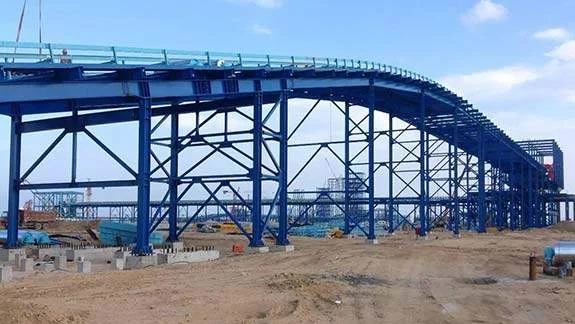
So, what is structural bracing? It is a vital component of modern construction that ensures safety, stability, and compliance in structures. From diagonal bracing to shear walls, the variety of options available allows engineers to choose the right system for each project’s unique needs. Understanding these key facts about structural bracing can help builders and developers create safer and more efficient buildings. Investing in proper bracing is not just a regulatory requirement but a step toward ensuring long-term success in construction projects.
FAQ
What is structural bracing?
Structural bracing is a method or system used to reinforce structures, providing additional support to resist forces such as wind, earthquakes, or other external loads.
Why is structural bracing important?
Structural bracing enhances stability, ensures safety, and helps structures comply with building codes. It reduces the risk of deformation or collapse under external forces.
What are the main types of structural bracing?
The main types of structural bracing include diagonal bracing, cross bracing, K-bracing, shear walls, and moment frames.
Where is structural bracing commonly used?
Structural bracing is used in residential buildings, commercial structures, industrial facilities, bridges, and temporary construction setups.
How do I choose the right structural bracing system?
Choosing the right system depends on factors such as the type of structure, expected loads, material availability, and budget. Consulting with a structural engineer is recommended for optimal results.