Welcome to My Blog!
Before we dive into the content, I’d love for you to join me on my social media platforms where I share more insights, engage with the community, and post updates. Here’s how you can connect with me:
Facebook:https://www.facebook.com/profile.php?id=61565337355573
Now, let’s get started on our journey together. I hope you find the content here insightful, engaging, and valuable.
Table of Contents
Introduction
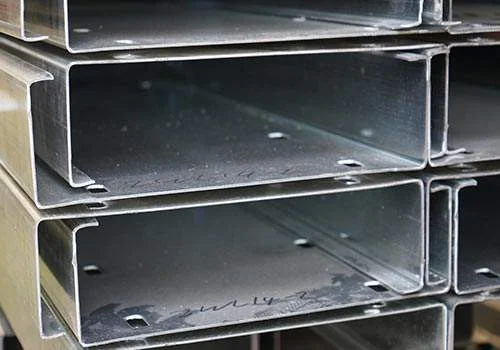
C-channel steel, also known as structural channel or simply channel steel, is one of the most versatile construction materials used across industries. Its unique shape, resembling the letter “C,” makes it ideal for applications requiring both strength and flexibility. Whether you’re working on construction projects, transportation equipment, or industrial machinery, understanding the properties and uses of C-channel steel is essential for optimizing its benefits. This guide provides a comprehensive overview of C-channel steel, its characteristics, manufacturing process, applications, and tips for selecting the right type for your project.
What Is C-Channel Steel?
C-channel steel is a type of structural steel characterized by its C-shaped cross-section. The cross-section typically includes a web (the vertical middle section) and two flanges (the horizontal parts extending from the web). This shape gives C-channel steel its strength and versatility, making it suitable for a variety of applications. It is commonly made from materials such as carbon steel, stainless steel, or galvanized steel.
Key Features of C-Channel Steel
- High Strength-to-Weight Ratio: Provides excellent structural support without adding excessive weight.
- Versatile Applications: Can be used in construction, industrial frameworks, and more.
- Customizable Dimensions: Available in various sizes, thicknesses, and materials to meet specific project needs.
- Corrosion Resistance: Galvanized or stainless-steel options offer protection against rust and corrosion.
- Ease of Fabrication: Simple to cut, drill, and weld, making it a preferred choice for contractors.
Types of C-Channel Steel
C-channel steel comes in various forms, each designed for specific applications:
Plain C-Channel Steel
This standard type is widely used in construction and industrial applications. It offers durability and cost-effectiveness.
Galvanized C-Channel Steel
Coated with a layer of zinc, this type provides superior resistance to corrosion, making it ideal for outdoor or marine applications.
Stainless Steel C-Channel
Known for its strength and rust resistance, stainless steel C-channel is used in environments exposed to moisture, chemicals, or extreme temperatures.
Aluminum C-Channel
Lightweight and corrosion-resistant, aluminum C-channel is commonly used in transportation and architectural applications.
Custom C-Channel Steel
Tailored to specific dimensions and properties, custom C-channel steel meets unique project requirements.
How Is C-Channel Steel Manufactured?
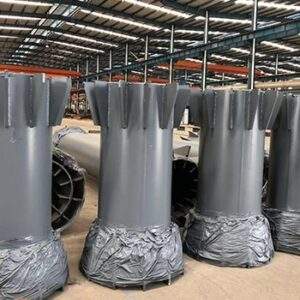


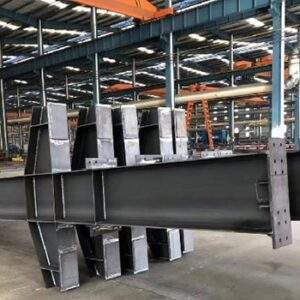
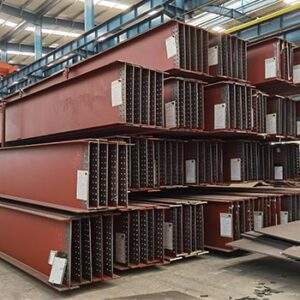
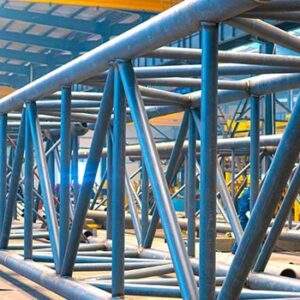
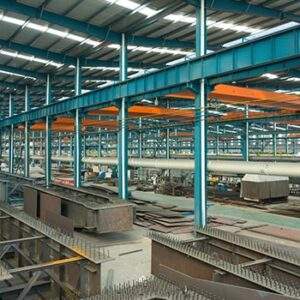
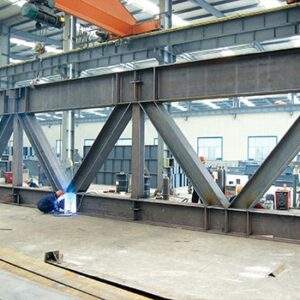
The manufacturing process of C-channel steel typically involves:
- Raw Material Selection: Steel plates or coils are selected based on the desired material properties.
- Rolling: The steel is passed through a series of rollers to form the C-shaped cross-section.
- Cutting: The rolled steel is cut to the required length.
- Surface Treatment: Galvanizing, painting, or polishing is applied to enhance durability and aesthetics.
- Quality Control: The finished product undergoes rigorous testing to ensure it meets industry standards.
Applications of C-Channel Steel
C-channel steel’s versatility allows it to be used in a wide range of industries:
Construction
- Building frameworks
- Roof purlins and wall studs
- Bridges and beams
Automotive and Transportation
- Trailer frames
- Truck beds
- Railway car components
Industrial Machinery
- Equipment frames
- Conveyor systems
- Storage racks
Agricultural Equipment
- Greenhouse supports
- Farming implements
- Livestock shelters
Marine and Offshore
- Dock supports
- Offshore platforms
- Boat components
Table: Comparing Different Types of C-Channel Steel
| Type | Material | Corrosion Resistance | Weight | Typical Applications |
|---|---|---|---|---|
| Plain C-Channel Steel | Carbon Steel | Moderate | Heavy | General construction and industrial use |
| Galvanized C-Channel | Zinc-Coated Steel | High | Moderate | Outdoor structures and marine environments |
| Stainless Steel C-Channel | Stainless Steel | Very High | Heavy | Chemical and moisture-exposed settings |
| Aluminum C-Channel | Aluminum | High | Lightweight | Transportation and decorative use |
This table highlights the features of various C-channel steel types, helping you identify the best option for your project needs.
Benefits of Using C-Channel Steel
Cost-Effectiveness
C-channel steel provides a balance of strength and affordability, making it a cost-effective solution for many applications.
Structural Support
Its unique design enhances load-bearing capacity while minimizing material usage.
Durability
The material’s strength and resistance to environmental factors ensure long-lasting performance.
Customizability
Available in various dimensions and materials, C-channel steel can be tailored to meet specific requirements.
Ease of Installation
Lightweight and easy to handle, C-channel steel simplifies the installation process, reducing labor costs.
How to Choose the Right C-Channel Steel for Your Project
Determine the Load Requirements
Understand the weight and stress the C-channel steel will bear to select the appropriate material and size.
Consider Environmental Conditions
Choose galvanized or stainless steel options for projects exposed to moisture, chemicals, or extreme weather.
Evaluate Compatibility
Ensure the dimensions and properties of the C-channel steel align with other components in your project.
Assess Budget Constraints
Balance cost considerations with the need for durability and performance.
Seek Expert Advice
Consult with engineers or suppliers to make informed decisions based on your project’s specifications.
Maintenance Tips for C-Channel Steel
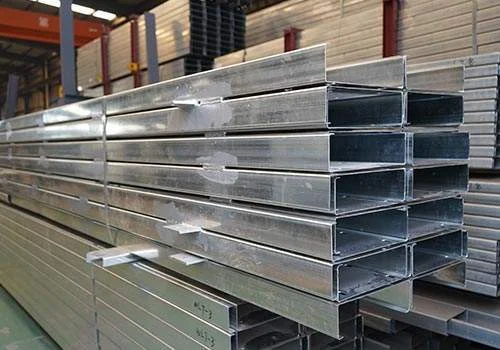
- Regular Inspections: Check for signs of corrosion, wear, or damage.
- Cleaning: Remove dirt, debris, and moisture to prevent rust.
- Protective Coating: Reapply paint or galvanizing as needed to maintain corrosion resistance.
- Storage: Store C-channel steel in a dry, covered area to avoid exposure to harsh conditions.
- Repairs: Address minor damages promptly to prevent further deterioration.
Conclusion
C-channel steel is a versatile and reliable material that plays a crucial role in various industries. Its strength, durability, and ease of customization make it a preferred choice for construction, transportation, industrial machinery, and more. By understanding its properties, applications, and maintenance requirements, you can maximize the benefits of C-channel steel in your projects. Whether you’re building a bridge, manufacturing equipment, or constructing a greenhouse, C-channel steel offers the performance and adaptability you need.
FAQ
What is C-channel steel used for?
C-channel steel is used in construction, automotive, industrial machinery, agriculture, and marine applications for structural support and framing.
How is C-channel steel different from other structural steel types?
Its C-shaped cross-section provides a unique combination of strength, flexibility, and ease of installation compared to other shapes like I-beams or H-beams.
Is C-channel steel corrosion-resistant?
Galvanized and stainless-steel variants offer high corrosion resistance, while plain carbon steel may require additional protective coatings.
Can C-channel steel be customized?
Yes, manufacturers can customize dimensions, material, and surface treatments to meet specific project requirements.
How do I choose the right size of C-channel steel?
Consider the load-bearing requirements and environmental factors of your project to determine the appropriate size.
What are the advantages of galvanized C-channel steel?
Galvanized C-channel steel offers excellent corrosion resistance, making it ideal for outdoor or marine applications.