Looking for a trusted steel structure bracing supplier?
We deliver custom solutions for all bracing types—X-bracing, K-bracing, and more—with 10+ years of engineering experience and ISO-certified quality.
Get your free quote within 24 hours → [Contact Us]
Table of Contents
Introduction

Steel structures are widely used in modern construction due to their strength, flexibility, and durability. One essential component of any steel structure is the bracing system. Bracing plays a crucial role in enhancing the stability of steel buildings by providing resistance to lateral forces such as wind and seismic activity. These forces can cause the structure to sway, and bracing helps prevent this motion, ensuring the integrity and safety of the building.
In this blog, we will explore the different types of bracing in steel structures, highlighting their unique characteristics, advantages, and common applications. By the end of this article, you will have a deeper understanding of how bracing works in steel structures and the most effective types to consider when designing or renovating buildings.
Understanding the Importance of Bracing in Steel Structures
What is Bracing in Steel Structures?
Bracing is the system of structural elements used to stabilize a steel structure by providing lateral support. Braces are installed at strategic locations to prevent deformation and reduce the movement of the structure under external loads like wind, earthquakes, or thermal expansion. The primary purpose of bracing is to resist forces that could cause the structure to collapse or lose its stability.
Bracing systems work by transferring lateral loads (horizontal forces) from the upper sections of the building to the foundation, which helps prevent excessive sway, distortion, or buckling.
How Does Bracing Improve Structural Stability?
Bracing systems play a vital role in distributing forces across the structure. By reinforcing specific areas of the building, braces help distribute lateral forces evenly, reducing the chances of a localized failure. These systems help ensure that the structure remains upright and safe during environmental challenges, particularly in regions with high wind speeds or seismic activity.
Factors Influencing the Type of Bracing System
The type of bracing system to use in a steel structure depends on several factors:
- Building Height: Taller buildings may require more robust or complex bracing systems to handle the increased lateral forces.
- Building Shape: The geometry of the building may influence the type and layout of the bracing system.
- Location and Environment: Areas prone to high winds or earthquakes often require more advanced or reinforced bracing systems.
- Aesthetic Considerations: Some projects prioritize the visual appearance of the bracing, especially in areas where the braces will be visible.
Common Types of Bracing in Steel Structures

Cross Bracing
What is Cross Bracing?
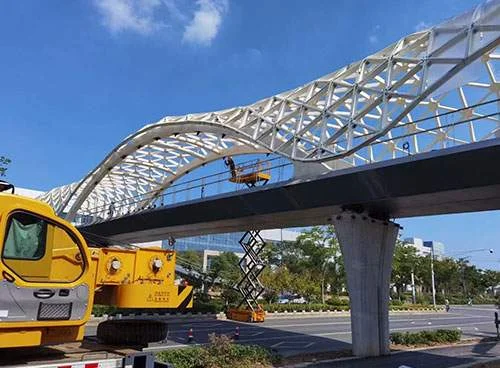
Cross bracing consists of two diagonal braces arranged in an “X” shape. This configuration provides stability by distributing forces across the structure. The braces typically connect the vertical columns and horizontal beams, creating a strong and efficient resistance to lateral movement.
Advantages of Cross Bracing
- Effective for Tall Structures: Cross bracing is particularly useful in tall buildings, as it can handle significant horizontal loads.
- Simple Design: This type of bracing is easy to design and install, making it a cost-effective choice for many projects.
- Provides Diagonal Strength: The “X” shape allows for maximum diagonal force transfer, ensuring the building can resist both wind and seismic forces.
K-Bracing
What is K-Bracing?
K-bracing involves a single diagonal brace that connects to a vertical column, forming a “K” shape. The brace typically starts from the mid-point of the column and extends toward a horizontal beam or the top of the structure. This type of bracing is used to provide lateral stability without interfering with the interior space of the building.
Advantages of K-Bracing
- Space-Efficient: K-bracing provides stability without occupying too much space, making it ideal for buildings with limited room for bracing.
- Versatile Application: K-bracing can be used in both low-rise and high-rise buildings, offering flexibility for a range of design requirements.
Chevron Bracing
What is Chevron Bracing?
Chevron bracing uses two diagonal braces that meet at a common point, typically at the center of a vertical column. The braces form a “V” shape, with the point of the “V” directed downward. This design helps resist lateral forces by directing them along the diagonal braces towards the foundation.
Advantages of Chevron Bracing
- Enhanced Lateral Stability: Chevron bracing is highly effective in resisting lateral forces, providing excellent stability to steel structures.
- Economical and Efficient: This type of bracing is efficient in terms of both material usage and construction costs, making it an affordable solution for various types of buildings.
- Minimized Displacement: Chevron bracing minimizes displacement or sway in the building, enhancing its overall structural integrity.
Diagonal Bracing
What is Diagonal Bracing?
Diagonal bracing involves a single diagonal brace that is positioned between two columns or beams to resist lateral forces. It is similar to cross bracing but without the “X” shape, usually used in smaller structures or specific areas that require additional reinforcement.
Advantages of Diagonal Bracing
- Cost-Effective: Diagonal bracing requires fewer materials than other types of bracing, making it an affordable option for smaller or less demanding applications.
- Effective for Low-Rise Buildings: Diagonal bracing is well-suited for low-rise buildings or areas where minimal bracing is needed.
Moment Resisting Frames
What are Moment Resisting Frames?
Moment resisting frames (MRFs) are a bracing system that resists lateral forces through the strength of rigid connections between beams and columns. Unlike traditional bracing systems that use diagonal braces, MRFs rely on the bending resistance of the frame itself to maintain stability.
Advantages of Moment Resisting Frames
- Aesthetic Flexibility: Moment resisting frames do not require external braces, which makes them ideal for projects where aesthetics are important.
- Greater Freedom of Space: Since no diagonal braces are used, moment resisting frames offer more interior space and design flexibility.
- Efficient for Earthquake Resistance: MRFs are especially effective in earthquake-prone areas, as they provide excellent seismic resistance.
Bracing Systems Comparison

| Type of Bracing | Main Advantage | Application | Cost |
|---|---|---|---|
| Cross Bracing | Effective in tall structures, easy to install | Tall buildings, industrial applications | Moderate |
| K-Bracing | Space-efficient, versatile | Low to medium-rise buildings | Moderate |
| Chevron Bracing | High lateral stability, cost-effective | Medium to high-rise buildings | Low |
| Diagonal Bracing | Cost-effective, simple design | Small or low-rise buildings | Low |
| Moment Resisting Frames | Aesthetic flexibility, seismic resistance | Large buildings, earthquake zones | High |
Conclusion
Bracing is an essential part of steel structures, ensuring their stability and safety in the face of lateral forces. The types of bracing in steel structures each offer distinct advantages, and the right choice depends on the specific needs of your project, including the height of the building, its location, and aesthetic preferences. Cross bracing, K-bracing, chevron bracing, diagonal bracing, and moment resisting frames all have their place in modern steel construction.
By understanding the different types of bracing systems and their benefits, you can make an informed decision that enhances the stability, safety, and performance of your steel structure. Whether you’re designing a tall skyscraper or a smaller industrial building, selecting the appropriate bracing system is key to ensuring long-lasting structural integrity.
FAQ
What is the most common type of bracing in steel structures?
Cross bracing is one of the most commonly used bracing systems in steel structures due to its effectiveness and simplicity, particularly for taller buildings.
Can bracing systems be used for both structural and aesthetic purposes?
Yes, certain bracing systems like moment resisting frames allow for a balance of structural stability and aesthetic appeal, making them ideal for buildings where appearance is important.
How do I choose the right bracing system for my project?
The choice of bracing system depends on factors such as the building height, location, load requirements, and space availability. Consulting with a structural engineer will help determine the best solution for your project.
Are there alternatives to traditional bracing systems?
Yes, in some cases, structural reinforcement through shear walls, rigid frames, or tension cables can be used as alternatives to traditional bracing systems.
What are the advantages of moment resisting frames over other bracing systems?
Moment resisting frames provide aesthetic flexibility and do not require visible bracing, making them ideal for projects that prioritize design and appearance. They are also excellent for earthquake resistance.