Welcome to My Blog!
Before we dive into the content, I’d love for you to join me on my social media platforms where I share more insights, engage with the community, and post updates. Here’s how you can connect with me:
Facebook:https://www.facebook.com/profile.php?id=61565337355573
Now, let’s get started on our journey together. I hope you find the content here insightful, engaging, and valuable.
Table of Contents
Introduction
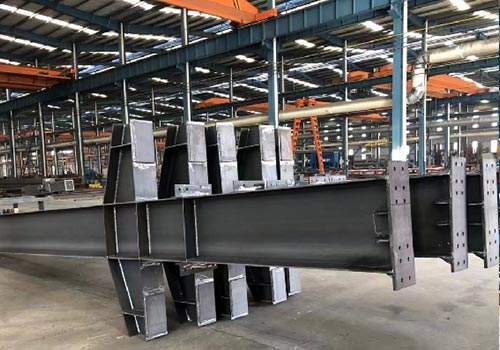
In the world of construction and heavy-duty structural support, the welded H beam stands out as a paramount choice. Its robust design and customizable nature make it indispensable for a wide range of applications. This article delves into the intricacies of welded H beams, exploring their advantages, applications, and why they are the ultimate solution for heavy-duty needs. We will examine the various aspects of the welded H beam, including its manufacturing process, material properties, and structural benefits. Understanding the nuances of the welded H beam is crucial for anyone involved in construction, engineering, or related fields. This knowledge enables informed decisions that can significantly impact project outcomes and safety. The inherent strength and adaptability of the welded H beam position it as a cornerstone of modern structural engineering.
The Manufacturing Process of Welded H Beams
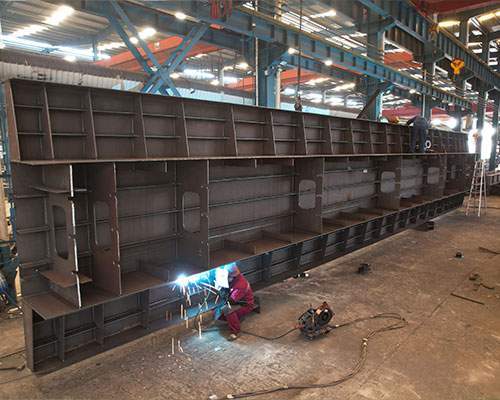
The creation of a welded H steel involves a meticulous process that ensures high strength and durability. Typically, steel plates are cut to the desired dimensions and then welded together to form the H-shaped cross-section. This process allows for precise control over the beam’s dimensions and material properties. The welding techniques used are critical in ensuring the integrity of the welded H steel. Submerged arc welding and other advanced methods are employed to create strong, consistent welds. This manufacturing flexibility is a significant advantage of the welded H steel, allowing for customization to meet specific project requirements. These methods also reduce internal stresses within the beam, enhancing its overall performance. The precision involved in each step of the manufacturing process guarantees a final product that meets stringent quality standards.
Material Properties and Structural Benefits of Welded H Beams
Welded H beams are typically made from high-strength steel, providing exceptional load-bearing capacity. The material properties of the steel, such as yield strength and tensile strength, are carefully controlled to ensure optimal performance. The H-shaped cross-section of the welded H steel offers excellent resistance to bending and buckling, making it ideal for heavy-duty applications. The structural benefits of the welded H steel include high strength-to-weight ratio, which allows for efficient use of materials. This efficiency translates to cost savings and improved structural performance. Furthermore, the inherent rigidity of the welded H steel contributes to the stability of the entire structure. The consistent quality of the steel used in welded H steel guarantees predictable and reliable performance under stress.
Applications of Welded H Beams in Construction
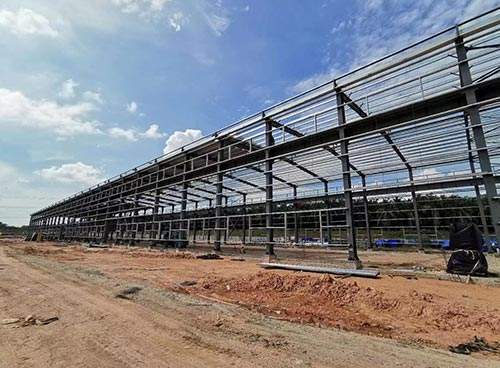
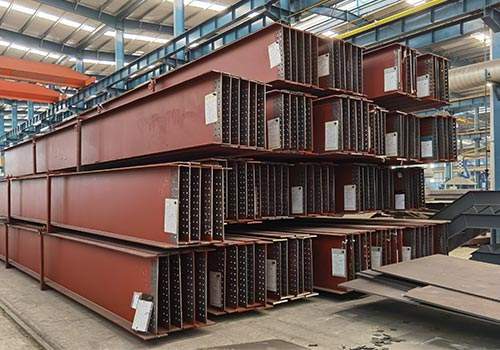
The versatility of the welded H beam makes it suitable for a wide range of construction applications. From bridges and high-rise buildings to industrial structures and infrastructure projcts, welded H beams provide the necessary support and stability. In bridge construction, welded H steel are used for their ability to span long distances and support heavy loads. In building construction, they form the structural framework, ensuring the stability and longevity of the structure. The use of welded H steel in these applications highlights their reliability and performance. Beyond primary structural roles, welded H steel are also employed in temporary support systems during construction. Their adaptability makes them essential in diverse and challenging construction environments.
Advantages of Using Welded H Steels Over Other Structural Materials
Compared to other structural materials, such as concrete or timber, welded H beams offer several distinct advantages. Their high strength-to-weight ratio allows for lighter and more efficient designs. The durability of steel ensures a long service life, even in harsh environments. Welded H steel are also highly customizable, allowing for precise engineering to meet specific project needs. The use of welded H steel can lead to significant cost savings due to reduced material usage and faster construction times. Additionally, steel is recyclable, making welded H beams an environmentally sustainable choice. The speed of installation and the reduced need for extensive on-site fabrication further contribute to their economic benefits.
Customization Options for Welded H Beams
One of the key advantages of welded H steel is their customizability. Manufacturers can produce welded H beams with varying dimensions, thicknesses, and steel grades to meet specific project requirements. This flexibility allows engineers to optimize the structural design for maximum efficiency and performance. Customization options also include various surface treatments and coatings to enhance corrosion resistance and durability. The ability to tailor welded H steel to specific needs ensures that they can be used in a wide range of applications. This adaptability extends to creating complex shapes and configurations that would be challenging with other materials. Customization also allows for integration with other structural components, enhancing overall project efficiency.
Key Factors to Consider When Selecting Welded H Beams
Selecting the right welded H beam for a project requires careful consideration of several factors. These include the load-bearing requirements, span length, environmental conditions, and budget. The steel grade and welding quality are also crucial factors that affect the performance and longevity of the welded H beam. Consulting with experienced engineers and suppliers can help ensure that the selected welded H beams meet the project’s specific needs. Proper selection of the welded H steel is essential for ensuring the safety and efficiency of the structure. Detailed structural analysis and simulations can aid in making informed decisions about the appropriate welded H steel specifications. The long-term maintenance requirements should also be factored into the selection process.
Quality Control and Testing of Welded H Steels
Ensuring the quality and integrity of welded H steel involves rigorous quality control and testing procedures. These procedures include visual inspections, non-destructive testing (NDT), and mechanical testing. Visual inspections check for surface defects and welding irregularities. NDT methods, such as ultrasonic testing and magnetic particle testing, detect internal flaws. Mechanical testing evaluates the strength and ductility of the steel. These tests ensure that the welded H steel meet the required standards and specifications. Comprehensive documentation of testing results provides traceability and assurance of quality. Continuous improvement in testing methods and standards ensures that welded H steel consistently meet the highest industry benchmarks.
Welded H Beam Specifications and Technical Data
Here is a table summarizing typical specifications for welded H steels:
| Specification | Value |
|---|---|
| Material | High-strength steel |
| Yield Strength | 345 MPa – 450 MPa |
| Tensile Strength | 485 MPa – 620 MPa |
| Web Thickness | 6 mm – 40 mm |
| Flange Thickness | 8 mm – 50 mm |
| Beam Height | 100 mm – 1200 mm |
| Flange Width | 100 mm – 600 mm |
| Welding Method | Submerged arc welding |
Conclusion
The welded H beam is indeed the ultimate choice for heavy-duty support. Its exceptional strength, durability, and customizability make it an indispensable material in modern construction and engineering. By understanding the manufacturing process, material properties, and applications of welded H beams, engineers and builders can leverage their advantages to create safe, efficient, and long-lasting structures. Explore our range of high-quality welded H beams today and experience the difference in your projects. Invest in the strength and reliability of our premium welded H beams for your next project and build with confidence. Contact us today to discuss your specific needs and discover how our welded H beams can elevate your construction projects.
FAQ
What are the main advantages of using welded H beams?
The main advantages include high strength-to-weight ratio, durability, customizability, and cost-effectiveness. These benefits contribute to efficient and sustainable construction practices.
How do welded H steels compare to rolled H beams?
Welded H steels offer greater flexibility in terms of dimensions and material properties compared to rolled H beams. This adaptability allows for more tailored solutions in complex structural designs.
What are the common applications of welded H beams?
Common applications include bridge construction, high-rise buildings, industrial structures, and infrastructure projects. Their versatility makes them suitable for a wide range of heavy-duty applications.
How do I select the right welded H beam for my project?
Consider the load-bearing requirements, span length, environmental conditions, and budget. Consult with engineers and suppliers for guidance. Thorough analysis and consideration of project-specific needs are crucial.