Welcome to My Blog!
Before we dive into the content, I’d love for you to join me on my social media platforms where I share more insights, engage with the community, and post updates. Here’s how you can connect with me:
Facebook:https://www.facebook.com/profile.php?id=61565337355573
Now, let’s get started on our journey together. I hope you find the content here insightful, engaging, and valuable.
Table of Contents
Introduction
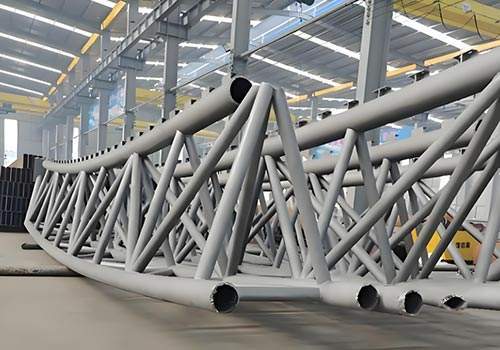
The steel truss structure, with its triangular configuration, is a marvel of engineering that has stood the test of time. These structures are designed to distribute weight and forces evenly across their framework, making them ideal for a wide range of applications. This guide will explore the intricacies of steel truss structures, from their design and construction to their practical applications in the field.
Understanding Steel Truss Structures
To fully appreciate the benefits of steel truss structures, it’s important to understand their composition and how they function in construction.
What Are Steel Truss Structures?
Steel truss structures are prefabricated frameworks composed of multiple triangular units, commonly known as trusses. These trusses are constructed from steel, a material renowned for its exceptional strength and malleability. This combination of properties enables the creation of intricate and diverse structural forms. The triangular configuration of trusses, a fundamental principle in structural engineering, maximizes their load-bearing capacity and minimizes material usage. This efficiency, coupled with the versatility of steel, makes steel truss structures ideal for a wide range of applications, including bridges, roofs, towers, and industrial buildings.
Key Features of Steel Truss Structures
- Strength and Stability: The triangular shape of the trusses provides inherent stability, making steel truss structures exceptionally well-suited for supporting heavy loads. This geometric configuration ensures that the structure can effectively distribute and resist forces from all directions, enhancing its overall load-bearing capacity.
- Efficiency: Steel truss structures are designed to optimize material usage, minimizing waste and maximizing strength. The truss design allows for efficient utilization of steel, reducing the overall weight of the structure while maintaining its structural integrity. This efficiency translates into cost savings and environmental benefits.
- Versatility: Steel truss structures offer unparalleled versatility, as they can be adapted to accommodate a wide range of shapes and sizes. This flexibility allows for the creation of unique and innovative designs, tailored to specific project requirements. Whether it’s a grand bridge spanning a vast river or a modest industrial building, steel truss structures can be customized to meet the needs of any application.
Benefits of Steel Truss Structures
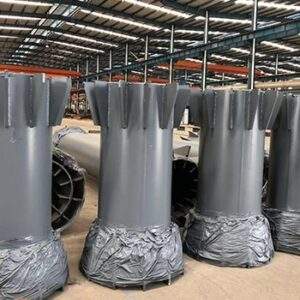


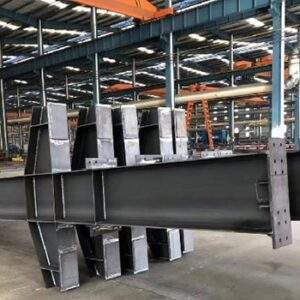
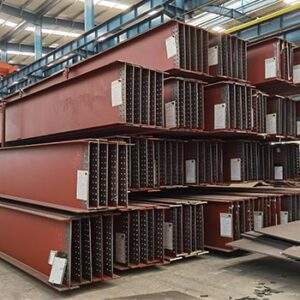
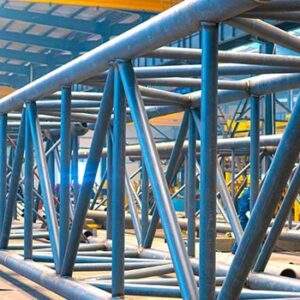
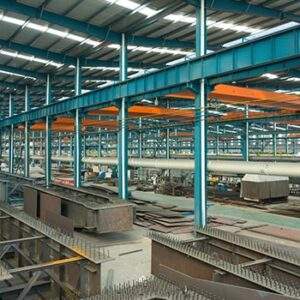
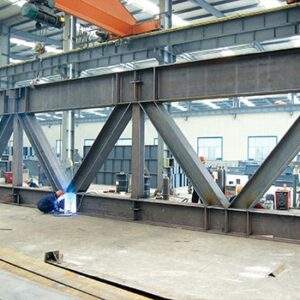
Steel truss structures offer numerous benefits that contribute to their popularity in the construction industry.
Enhanced Structural Integrity
The incorporation of steel truss structures can significantly enhance the structural integrity of a building, providing a robust and resilient framework capable of withstanding a wide range of forces. These structures, composed of interconnected triangular units, offer exceptional strength and stability, making them ideal for supporting heavy loads and resisting various environmental factors such as wind, snow, and seismic activity. By strategically distributing loads throughout the structure, steel trusses optimize material usage and minimize the overall weight of the building, leading to cost savings and improved energy efficiency. Additionally, the versatility of steel truss systems allows for the creation of diverse architectural forms, enabling the realization of innovative and aesthetically pleasing designs.
Cost-Effectiveness
Due to their efficient use of materials, steel truss structures can be significantly more cost-effective than traditional construction methods, particularly for large-scale projects. The triangular configuration of trusses optimizes material usage, minimizing waste and reducing the overall weight of the structure. This efficiency translates into lower material costs and reduced transportation and labor expenses. Additionally, the prefabricated nature of steel truss components allows for rapid and efficient construction, minimizing on-site labor time and accelerating project timelines. These factors combine to make steel truss structures a highly cost-effective solution for a wide range of construction applications.
Aesthetic Appeal
The clean lines and geometric patterns inherent in steel truss structures can add a distinctive, modern, and industrial aesthetic to a building, making them a popular choice among architects and designers. The exposed steel framework creates a visually striking contrast with other building materials, such as concrete or glass, and can be further enhanced through the use of lighting and finishes. This industrial aesthetic appeals to those who appreciate the beauty of raw materials and the functional elegance of structural elements. By incorporating steel truss structures into their designs, architects and designers can create spaces that are both visually appealing and structurally sound.
Sustainability
Steel, as a fully recyclable material, aligns seamlessly with sustainability principles. Its inherent recyclability allows for continuous reuse, significantly reducing the demand for raw materials and minimizing waste. Additionally, truss structures, renowned for their efficiency, optimize material usage by employing a framework of interconnected triangular units. This design minimizes the amount of material required while maximizing structural integrity. By combining these two factors, steel truss structures emerge as a sustainable solution for construction projects, contributing to resource conservation and environmental preservation.
Applications of Steel Truss Structures
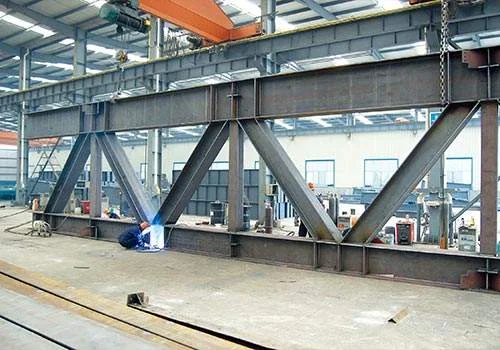
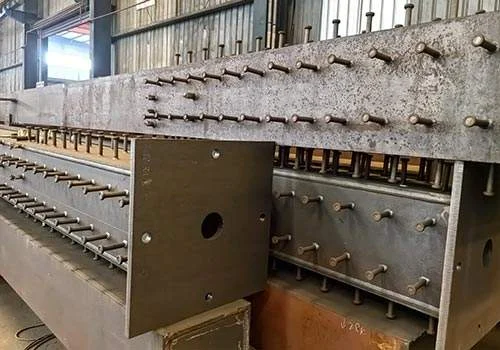
Steel truss structures are used in a variety of applications, from small-scale projects to large infrastructure developments.
Industrial and Commercial Buildings
Steel truss structures are commonly used in the construction of warehouses, factories, and other large commercial buildings where clear spans are required. Steel truss structures are a type of structural system that uses a framework of interconnected triangular units to support loads. The triangular shape of a truss is extremely strong and efficient, and it allows for the creation of large spans without the need for intermediate supports. This makes steel truss structures ideal for buildings that need to have large, open interior spaces.
Bridges and Overpasses
Their strength and stability make steel trusses ideal for bridge construction, particularly for long spans where traditional support methods may not be feasible. Steel trusses are composed of interconnected triangular units that distribute loads efficiently throughout the structure. This triangular configuration provides exceptional strength and rigidity, allowing for the creation of long, unsupported spans without compromising structural integrity.
Roofing Systems
In roofing applications, steel trusses provide support for large, open areas, allowing for natural light and ventilation while maintaining structural integrity.
Temporary Structures
Steel trusses are also used in the construction of temporary structures, such as event tents and disaster relief shelters, due to their ease of assembly and disassembly.
A Comparative Analysis of Steel Trusses
To provide a clearer picture of the advantages of steel trusses, here’s a comparative analysis of their features and benefits:
Steel Truss Structure Feature Comparison Table
| Feature | Description | Benefits |
|---|---|---|
| Load Capacity | The ability to support heavy loads | Ensures the structure can handle various weights and forces |
| Structural Stability | Resistance to deformation and collapse | Provides a safe and secure structure |
| Material Efficiency | Use of materials is optimized for strength | Reduces waste and lowers costs |
| Aesthetic Versatility | Ability to create visually appealing structures | Enhances the visual appeal of the building or bridge |
| Sustainability | Use of recyclable materials | Contributes to environmental sustainability |
This table provides a snapshot of how steel trusses compare to other construction methods in terms of key features that are often considered in architectural and engineering decisions.
Making the Right Choice
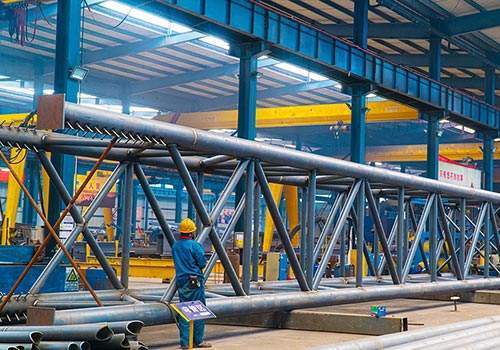
When selecting steel trusses for your construction project, consider the specific requirements and constraints.
Project Requirements
When selecting steel trusses for your project, it’s crucial to carefully consider the specific requirements of your structure. This includes assessing the types of loads it will need to bear, such as dead loads (the weight of the structure itself), live loads (occupancy loads, snow, wind), and any potential seismic or dynamic loads. Additionally, evaluate the available space for the truss system, including its dimensions, clearances, and any limitations imposed by existing structures or site conditions. Finally, consider the desired aesthetic appeal of the steel trusses, as they can be designed to complement the overall architectural style of your project.
Budget Constraints
While the initial investment in steel trusses may be higher compared to other structural materials, their exceptional durability and low maintenance requirements can lead to significant long-term cost savings. Steel trusses are highly resistant to decay, rot, and insect infestation, eliminating the need for frequent repairs or replacements. Additionally, their smooth surfaces minimize the accumulation of dirt and debris, reducing the need for extensive cleaning or painting. By opting for steel trusses, you can enjoy a structure that maintains its structural integrity and aesthetic appeal for decades, with minimal ongoing maintenance costs.
Long-Term Performance
To ensure the long-term performance of your steel truss system, it’s essential to consider its resistance to corrosion, maintenance requirements, and expected service life. By selecting high-quality steel with appropriate protective coatings, you can significantly enhance the corrosion resistance of the trusses, especially in harsh environments. Regular inspections and minor maintenance, such as touch-up painting, can further prolong their lifespan. With proper care and maintenance, steel trusses can provide decades of reliable service, making them a sustainable and cost-effective choice for your project.
Sustainability and Environmental Impact
The environmental impact of steel production is a significant consideration when evaluating the sustainability of your project. While steel production does involve energy-intensive processes and greenhouse gas emissions, the steel industry has made significant strides in reducing its environmental footprint. By selecting steel from sustainable sources and incorporating recycled steel content, you can minimize the carbon emissions associated with your project. Additionally, the long lifespan and durability of steel trusses contribute to their overall sustainability, as they reduce the need for frequent replacements and minimize waste.
Conclusion
Steel truss structures offer a range of benefits that make them an excellent choice for many construction and engineering applications. Their strength, versatility, and efficiency position them as a preferred solution for a wide range of projects. By understanding the features, benefits, and applications of steel trusses, architects, engineers, and contractors can make informed decisions that will enhance the efficiency, safety, and sustainability of their projects.
FAQ
Q: What are the main advantages of using steel truss structures in construction?
A: The main advantages include enhanced structural integrity, cost-effectiveness, aesthetic appeal, and sustainability.
Q: How do steel truss trusses compare to other construction methods in terms of strength?
A: Steel truss trusses offer high strength and stability due to their triangular design, making them suitable for heavy load-bearing applications.
Q: Can steel truss trusses be used in outdoor applications where corrosion resistance is important?
A: Yes, steel truss trusses can be treated with protective coatings or galvanized to provide resistance to corrosion, making them suitable for outdoor use.
Q: Is it difficult to maintain steel trusses?
A: No, steel trusses are relatively easy to maintain. Regular inspections for signs of corrosion or damage, along with protective coatings, can help ensure the longevity of the structure.
Q: What are some common applications of steel trusses?
A: Common applications include industrial and commercial buildings, bridges, roofing systems, and temporary structures such as event tents and disaster relief shelters.