Welcome to My Blog!
Before we dive into the content, I’d love for you to join me on my social media platforms where I share more insights, engage with the community, and post updates. Here’s how you can connect with me:
Facebook:https://www.facebook.com/profile.php?id=61565337355573
Now, let’s get started on our journey together. I hope you find the content here insightful, engaging, and valuable.
Table of Contents
Introduction

Steel columns are among the most critical structural elements in modern construction, forming the backbone of buildings, bridges, industrial plants, and more. Their primary role is to bear vertical loads and transfer these forces to the foundation, ensuring stability and safety. Selecting the appropriate steel column sizes is essential for maintaining structural integrity, reducing material costs, and achieving design efficiency.
This comprehensive guide delves into the details of steel column sizes, discussing their types, applications, and how to choose the right ones for your project. Whether you are a contractor, engineer, or designer, understanding the basics of steel column sizes will help you make more informed decisions and improve the outcome of your construction projects.
What Are Steel Column Sizes?
Steel column sizes refer to the dimensions of steel members used to support and distribute vertical loads in structures. These sizes include factors like the width, height, thickness, and cross-sectional shape of the column.
Common Types of Steel Columns
- I-Beam Columns: Known for their lightweight design and efficient use of material, they are commonly used in small-scale buildings and secondary support structures.
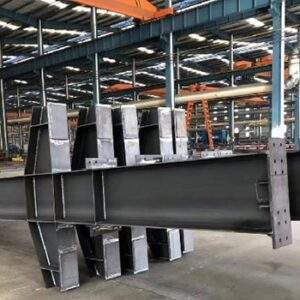
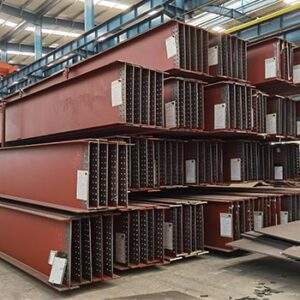
- H-Beam Columns: These have broader flanges and are heavier than I-beams, making them suitable for high-rise buildings and heavy industrial applications.
- Rectangular Columns: These are preferred for their aesthetic appeal and are often used in architectural designs.
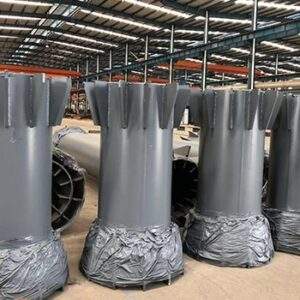
- Circular Columns: Popular in bridges and cylindrical structures, they offer equal load distribution and are often used in industrial projects.
Each type of column has distinct features and benefits, making it crucial to understand their properties to select the appropriate size and shape for your project.
Factors Influencing the Choice of Steel Column Sizes


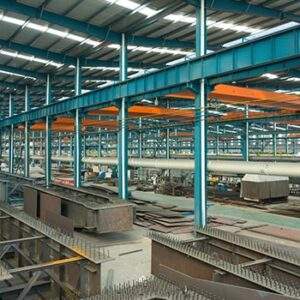
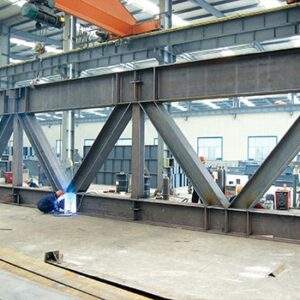
Load-Bearing Capacity
The load that a steel column must bear is one of the most critical factors in determining its size. Columns designed for heavier loads must be larger and thicker to ensure they can safely support the weight.
Structural Design and Building Type
The architectural design and type of building significantly influence the choice of steel column sizes. For example:
- High-rise buildings often require slender but strong columns to reduce material use while maintaining structural integrity.
- Warehouses and industrial facilities typically utilize larger columns for greater durability.
Material Grade and Properties
The grade of steel used in the column affects its strength, flexibility, and durability. Common grades like ASTM A36 and A572 are widely used, each with unique characteristics tailored to specific applications.
Environmental Considerations
Environmental factors, such as exposure to wind, seismic activity, and moisture, play a role in determining steel column sizes. For example:
- Coastal areas may require columns with corrosion-resistant coatings.
- Regions prone to earthquakes might demand larger, more flexible columns to withstand seismic forces.
Common Steel Column Sizes and Their Applications
The following table outlines some common steel column sizes and their typical uses in construction:
| Column Type | Common Sizes | Applications |
|---|---|---|
| I-Beam Columns | W10x12, W12x14, W14x16 | Secondary support, small-scale buildings |
| H-Beam Columns | W18x35, W24x55, W36x72 | High-rise buildings, industrial structures |
| Rectangular Columns | 6″x4″, 8″x6″, 12″x8″ | Architectural designs, modern residential spaces |
| Circular Columns | 8″ diameter, 12″ diameter | Bridges, industrial plants, cylindrical tanks |
This table provides a general overview of common sizes and their typical uses. Specific projects may require custom dimensions based on unique structural requirements.
Advantages of Using Standard Steel Column Sizes


Design Efficiency
Using standard steel column sizes simplifies the design process, as these dimensions are widely available and align with established engineering guidelines.
Fabrication and Installation Ease
Standardized sizes reduce the complexity of fabrication, enabling faster production and easier on-site installation.
Cost-Effectiveness
By minimizing waste and leveraging pre-designed templates, standard column sizes offer a cost-effective solution for most construction needs.
Structural Integrity and Safety
Ensuring the correct column size guarantees that the structure can withstand expected loads and environmental conditions, reducing the risk of structural failure.
How to Choose the Right Steel Column Sizes

Step 1: Assess Load Requirements
Begin by evaluating the loads the column must bear, including dead loads (the weight of the structure itself), live loads (occupants and furniture), and environmental forces like wind and earthquakes.
Step 2: Consult Industry Standards
Familiarize yourself with building codes and industry standards that govern the design and selection of steel columns. These codes provide critical guidelines to ensure safety and compliance.
Step 3: Collaborate with Engineers
Structural engineers play a vital role in calculating the exact dimensions needed for your project. They use advanced modeling tools to assess load distribution and stress points.
Step 4: Factor in Future Needs
If there’s potential for future expansion or modifications, consider designing columns with additional capacity to accommodate these changes.
Step 5: Evaluate Cost and Availability
While custom column sizes can meet specific needs, they may increase fabrication costs. Balancing these considerations is crucial for project success.
Conclusion
Choosing the right steel column sizes is essential for any construction project. It impacts structural integrity, design efficiency, and overall project success. By understanding the factors influencing steel column selection, consulting with experts, and adhering to building codes, you can ensure a safe and cost-effective construction process.
FAQ
What are the common types of steel columns?
Steel columns come in various shapes, including I-beams, H-beams, rectangular, and circular designs. Each type is suited for specific applications and load requirements.
How do I determine the correct size of a steel column?
The size depends on factors like load-bearing capacity, structural design, material properties, and environmental conditions. Consulting a structural engineer is highly recommended.
What are the benefits of using standard steel column sizes?
Standard sizes simplify design, reduce fabrication time, lower costs, and ensure compliance with industry standards.
Can steel columns be customized?
Yes, custom columns can be fabricated for unique applications, though this often increases cost and lead time.
What role does steel grade play in column selection?
Steel grade affects strength, durability, and flexibility. Common grades like ASTM A36 and A572 are used for different structural needs.
How does environmental exposure affect steel column design?
Environmental factors like wind, moisture, and seismic activity can influence the size, shape, and material choice for steel columns.
Are larger columns always better?
Not necessarily. Oversized columns may increase costs without adding value. Proper sizing ensures efficiency and cost-effectiveness.
What industries use steel columns?
Steel columns are used in residential, commercial, and industrial construction, as well as in infrastructure projects like bridges and warehouses.
How do I ensure compliance with building codes?
Consulting local regulations and working with certified engineers ensures your project meets all safety and design standards.