Welcome to My Blog!
Before we dive into the content, I’d love for you to join me on my social media platforms where I share more insights, engage with the community, and post updates. Here’s how you can connect with me:
Facebook:https://www.facebook.com/profile.php?id=61565337355573
Now, let’s get started on our journey together. I hope you find the content here insightful, engaging, and valuable.
Table of Contents
Introduction
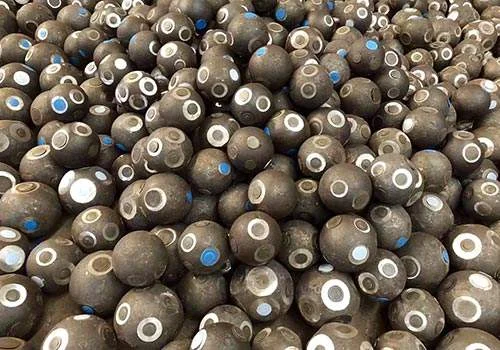
In the field of construction, efficient, reliable, and strong connections are vital for ensuring the integrity and durability of structures. One of the most innovative and effective methods of joining components in construction projects is the bolted ball connection system. This type of connection has become increasingly popular due to its ability to provide stability and flexibility in a wide range of construction applications.
A bolted ball connection involves using a spherical ball with bolts to join structural components together. The design of this connection system is highly versatile, offering a solution that allows for easy assembly, disassembly, and adjustment. As a result, bolted ball connections are especially useful in complex structures such as bridges, high-rise buildings, and industrial frameworks.
This blog will explore the features, benefits, applications, and advantages of bolted ball connections in construction, offering insights into why this technology is becoming essential in modern structural engineering.
What is a Bolted Ball Connection?
A bolted ball connection is a method of connecting various structural components—typically steel beams or columns—using a spherical ball as a central hub. Bolts are used to secure the steel members to the ball, forming a joint that can withstand heavy loads and external forces.
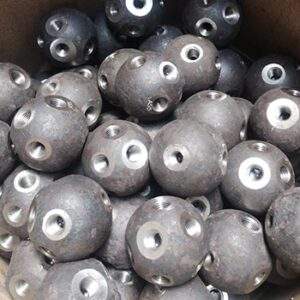
The ball itself is usually made of high-strength steel and is designed with multiple bolt holes for attaching different members at various angles. The key benefits of using a bolted ball connection include flexibility in design, ease of assembly, and superior load-bearing capacity.
Key Components of a Bolted Ball Connection
- Spherical Ball: The core component of the connection, usually made of high-strength steel, with drilled holes for bolts.
- Steel Beams/Columns: These are the structural components that are connected to the ball using bolts.
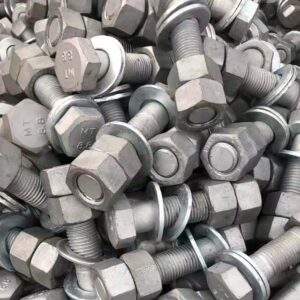
- Bolts and Nuts: These are used to secure the steel components to the ball, ensuring a strong and stable joint.
- Washers: Often used to distribute the load evenly and prevent damage to the connected surfaces.
The bolted ball system is highly regarded for its efficiency and ability to distribute loads across multiple connections, making it an ideal solution for complex and large-scale construction projects.
Advantages of Using Bolted Ball Connections in Construction
Flexibility in Design and Assembly
One of the primary advantages of the bolted ball connection is its flexibility in design. The spherical shape of the ball allows for structural components to be connected at different angles, providing greater design freedom.
Moreover, bolted ball connections are easier to assemble and disassemble compared to welded joints. This flexibility allows for faster construction times and makes the system ideal for projects that may require future modifications or adjustments.
Enhanced Load-Bearing Capacity
Another key advantage of bolted ball connections is their ability to distribute loads efficiently across the connected elements. This helps to prevent excessive stress on any single component, enhancing the overall strength and stability of the structure.
By spreading the load evenly, bolted ball connections are able to withstand heavy forces, including seismic activity, wind loads, and weight from the structure itself. This makes them a preferred choice for high-rise buildings, bridges, and other structures that must bear significant weight.
Cost-Effective and Time-Saving
The assembly process for bolted ball connections is typically faster than welding, reducing labor costs and construction time. Additionally, because bolts are readily available and easy to handle, there is less need for specialized equipment or welding expertise.
This makes bolted ball connections a cost-effective option for large-scale construction projects where speed and efficiency are critical.
Easier Maintenance and Repair
Unlike welded connections, bolted ball joints can be disassembled and reassembled without the need for specialized tools or techniques. If any part of the connection needs repair or replacement, it can be done quickly by simply removing the bolts and replacing the damaged components.
This ease of maintenance makes bolted ball connections an attractive option for projects that require long-term durability and ongoing upkeep.
Improved Seismic Performance
In areas prone to earthquakes or other seismic activity, bolted ball connections offer improved performance compared to traditional welded joints. The flexibility of the spherical ball allows for slight movements in the structure during seismic events, helping to dissipate the energy and reduce the risk of damage.
This seismic resistance makes bolted ball connections ideal for use in earthquake-resistant buildings and bridges.
Applications of Bolted Ball Connections in Construction
High-Rise Buildings
In the construction of high-rise buildings, bolted ball connections are often used to join large steel beams and columns. Their ability to distribute loads evenly and provide flexibility in design makes them ideal for skyscrapers, where the structural framework must support heavy weights from floors and external forces such as wind.
Bridges
Bolted ball connections are frequently used in the construction of bridges, where the connections need to withstand dynamic loads such as traffic and environmental forces. The system’s ability to resist high stresses and maintain stability over time is crucial for ensuring the safety and longevity of bridges.
Industrial Structures
In industrial settings, bolted ball connections are used to build frameworks for factories, warehouses, and manufacturing plants. The system is highly adaptable, allowing for quick assembly and disassembly, which is useful in large-scale industrial environments where equipment and layouts may need to be changed frequently.
Temporary Structures
Because of their ease of assembly and disassembly, bolted ball connections are also used in temporary structures such as event venues, exhibition halls, and construction staging areas. These structures need to be set up quickly and easily and, in many cases, disassembled and moved to another location after use.
Table: Comparison of Bolted Ball Connections vs. Traditional Welded Joints

| Feature | Bolted Ball Connections | Traditional Welded Joints |
|---|---|---|
| Ease of Assembly | Quick and easy to assemble | Requires specialized welding tools |
| Flexibility in Design | High flexibility in design | Limited flexibility |
| Load Distribution | Even load distribution | Load is concentrated in welds |
| Maintenance and Repair | Easy disassembly and repair | Difficult and costly to repair |
| Seismic Performance | Good resistance to seismic forces | Limited seismic performance |
| Cost and Time Efficiency | Cost-effective and time-saving | More expensive and time-consuming |
This table highlights the key differences between bolted ball connections and traditional welded joints, helping to understand the benefits and trade-offs of each method.
Conclusion
The bolted ball connection system is a revolutionary development in the construction industry, offering flexibility, strength, and efficiency for a wide range of applications. With its easy assembly, enhanced load-bearing capacity, and ability to withstand seismic forces, it has become a preferred choice for modern construction projects.
Whether you are constructing a high-rise building, bridge, or industrial framework, bolted ball connections offer significant advantages over traditional methods. By providing superior performance and easier maintenance, they contribute to the long-term success and durability of the structures they support.
FAQ
What is a bolted ball connection?
A bolted ball connection is a method of connecting structural components using a spherical ball with bolts. It provides flexibility and stability for large-scale construction projects.
How do bolted ball connections compare to welded joints?
Bolted ball connections offer greater flexibility, easier assembly, and maintenance compared to traditional welded joints. They are also more cost-effective and better at distributing loads.
What are the benefits of using bolted ball connections in construction?
Benefits include faster assembly, improved load-bearing capacity, cost savings, ease of maintenance, and better seismic performance.
Where are bolted ball connections commonly used?
They are used in high-rise buildings, bridges, industrial structures, and temporary structures like event venues.
Can bolted ball connections be used for seismic-resistant structures?
Yes, bolted ball connections offer better seismic resistance due to their flexibility, making them ideal for earthquake-resistant buildings and bridges.
Are bolted ball connections easy to maintain?
Yes, one of the key advantages of bolted ball connections is that they are easy to disassemble and repair, making them low-maintenance in the long term.
How long do bolted ball connections last?
With proper care and maintenance, bolted ball connections can last for many years, making them a durable choice for construction.