Welcome to My Blog!
Before we dive into the content, I’d love for you to join me on my social media platforms where I share more insights, engage with the community, and post updates. Here’s how you can connect with me:
Facebook:https://www.facebook.com/profile.php?id=61565337355573
Now, let’s get started on our journey together. I hope you find the content here insightful, engaging, and valuable.
Table of Contents
Introduction
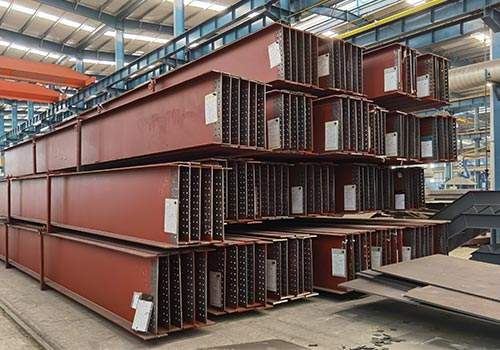
In the realm of modern construction, h type steel stands as a cornerstone material, providing unparalleled strength and versatility. This ultimate guide aims to delve into the comprehensive aspects of h type steel, exploring its applications, advantages, and essential considerations for contemporary building projects. Understanding the nuances of h type steel is crucial for architects, engineers, and construction professionals seeking to optimize structural integrity and efficiency.
H type steel, characterized by its distinctive “H” shape, is engineered to bear heavy loads and withstand various environmental stresses. Its widespread use in modern builds stems from its exceptional strength-to-weight ratio, which allows for expansive, open designs without compromising structural stability. This guide will navigate through the diverse applications and technical specifications of h type steel, ensuring you have a thorough understanding of its capabilities.
The Versatility of H-Type Steel in Construction
The adaptability of h-type steel makes it indispensable across a spectrum of construction projects. From towering skyscrapers to expansive industrial facilities, h steel provides the skeletal framework necessary for robust and enduring structures. Its applications extend to bridges, warehouses, and even residential buildings, where its strength and flexibility enable innovative architectural designs.
The versatility of h-type steel is further enhanced by its compatibility with various fabrication techniques. It can be cut, welded, and bolted to create complex structural configurations, allowing for tailored solutions to meet specific project requirements. This adaptability makes h-type steel a preferred material for architects and engineers aiming to achieve both functionality and aesthetic appeal.
Advantages of Utilizing H Type Steel in Modern Builds
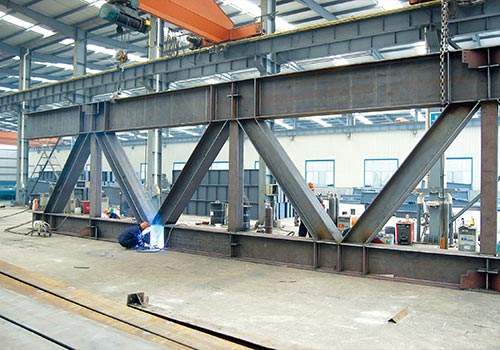
Utilizing h type steel in modern builds offers a plethora of advantages. Its high strength-to-weight ratio translates to reduced material costs and lighter overall structures. Moreover, h type steel’s standardized dimensions and ease of fabrication contribute to streamlined construction processes, saving both time and resources.
Another significant advantage is the sustainability aspect. H-type steel is recyclable, making it an environmentally friendly choice for construction projects. Its durability also ensures a longer lifespan for structures, reducing the need for frequent replacements and minimizing waste. The consistency of h-type steel also lends itself to higher quality construction.
H Type Steel: Key Specifications and Considerations
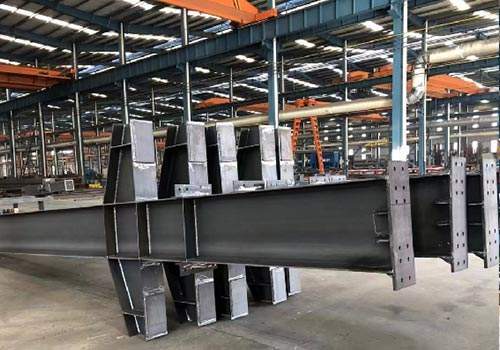
When selecting h type steel for your project, it’s essential to consider several key specifications. These include the steel grade, dimensions, and load-bearing capacity. Understanding these parameters ensures that the chosen h-type steel meets the specific requirements of your build.
The steel grade, for instance, determines the material’s strength and resistance to corrosion. Dimensions, such as the flange width and web height, dictate the h-type steel’s load-bearing capacity and suitability for different structural applications. Additionally, factors like the steel’s finish and coating should be considered to enhance its durability and longevity.
H-Type Steel and Structural Integrity
Structural integrity is paramount in any construction project, and h type steel plays a pivotal role in ensuring it. Its unique “H” shape provides optimal resistance to bending and buckling, making it ideal for supporting heavy loads. This inherent strength contributes to the stability and safety of modern builds.
The use of h-type steel allows for the creation of open, spacious interiors without the need for excessive support columns. This design flexibility is crucial in modern architecture, where open-plan layouts and expansive spaces are highly valued. By maximizing structural integrity, h-type steel enables architects to achieve innovative and aesthetically pleasing designs.
H-Type Steel in Sustainable Construction
Sustainability is increasingly becoming a critical consideration in the construction industry. H-type steel aligns with sustainable practices due to its recyclability and durability. Its long lifespan reduces the environmental impact associated with frequent replacements, and its recyclability minimizes waste and conserves resources.
Furthermore, the efficiency of h-type steel in construction translates to reduced energy consumption. Its high strength-to-weight ratio allows for lighter structures, which in turn reduces the energy required for transportation and installation. By incorporating h-type steel into your projects, you’re contributing to a more sustainable and eco-friendly construction industry.
H Type Steel: Applications in Various Industries

The versatility of h type steel extends beyond traditional construction, finding applications in various industries. In infrastructure projects, it’s used for bridges, tunnels, and transportation systems. In the energy sector, h-type steel supports wind turbines and solar panels. Its strength and durability make it suitable for heavy-duty applications in mining and manufacturing.
The industrial sector also leverages h-type steel for constructing warehouses, factories, and storage facilities. Its ability to support heavy loads and withstand harsh environments makes it an indispensable material in these settings. The adaptability of h-type steel allows it to be configured for a wide array of support structures.
H-Type Steel: Essential Fabrication Techniques
Proper fabrication techniques are crucial to maximizing the potential of h-type steel. Cutting, welding, and bolting are common methods used to shape and assemble h-type steel components. These techniques require precision and expertise to ensure structural integrity and safety.
Advanced fabrication technologies, such as computer numerical control (CNC) cutting and robotic welding, have further enhanced the efficiency and accuracy of h-type steel fabrication. These technologies enable the creation of complex structural components with minimal waste and maximum precision, contributing to streamlined construction processes.
H Type Steel: Table of Typical Specifications
| Specification | Value |
|---|---|
| Steel Grade | Q235, Q345, A36, etc. |
| Flange Width | 100mm – 400mm |
| Web Height | 100mm – 1200mm |
| Thickness | 6mm – 40mm |
| Length | Customizable |
| Yield Strength | 235MPa – 345MPa |
| Tensile Strength | 370MPa – 470MPa |
| Surface Treatment | Galvanized, Painted |
| Application | Construction, Bridges |
Conclusion
H type steel is an indispensable material in modern construction, providing the strength, versatility, and sustainability required for contemporary builds. Its applications span across various industries, from infrastructure to industrial facilities, showcasing its adaptability and reliability. By understanding the key specifications and advantages of h type steel, you can optimize your construction projects for efficiency and longevity.
For all your h-type steel needs, contact us today to ensure your project is built on a foundation of strength and reliability.
FAQ
What is h type steel?
H type steel is a structural steel beam with an “H” shaped cross-section, known for its high strength-to-weight ratio and versatility in construction.
What are the advantages of using h type steel?
Advantages include high strength, durability, recyclability, and ease of fabrication, contributing to efficient and sustainable construction.
Where is h type steel commonly used?
H type steel is used in various applications, including skyscrapers, bridges, industrial facilities, and infrastructure projects.