Welcome to My Blog!
Before we dive into the content, I’d love for you to join me on my social media platforms where I share more insights, engage with the community, and post updates. Here’s how you can connect with me:
Facebook:https://www.facebook.com/profile.php?id=61565337355573
Now, let’s get started on our journey together. I hope you find the content here insightful, engaging, and valuable.
Table of Contents
Introduction

Structural steel columns are integral to modern construction, providing essential support for buildings, bridges, and other infrastructure. These columns are designed to bear heavy loads, resist lateral forces, and ensure structural stability. With advancements in engineering and material science, structural steel columns have become a preferred choice due to their strength, durability, and versatility. In this article, we’ll explore the various types of structural steel columns, their unique applications, and how to choose the right column for your project. Whether you’re constructing a skyscraper, an industrial facility, or a residential building, understanding the different types of structural steel columns will help you make informed decisions.
What Are Structural Steel Column?
Structural steel columns are vertical members designed to transfer compressive loads from a building or structure to the foundation. These columns are made from high-quality steel and are engineered to provide maximum strength and stability. Their properties make them suitable for a variety of applications, including high-rise buildings, warehouses, bridges, and industrial plants.
Types of Structural Steel Columns
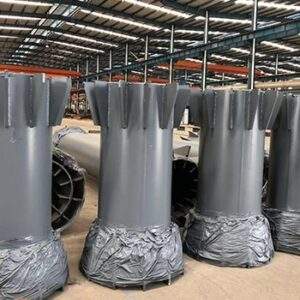


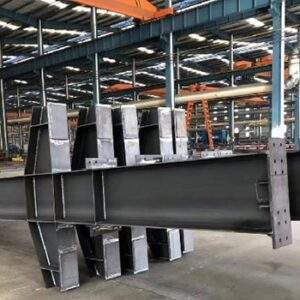
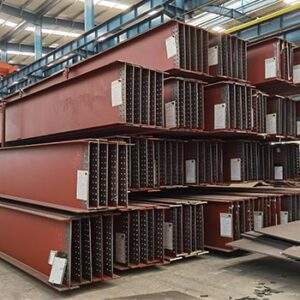
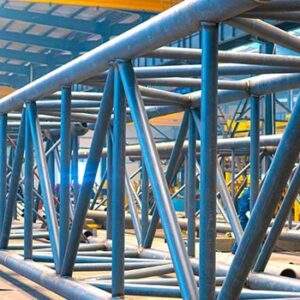
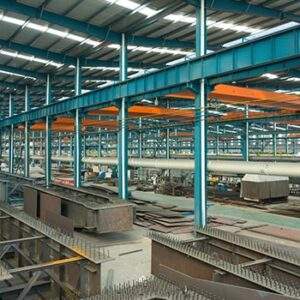
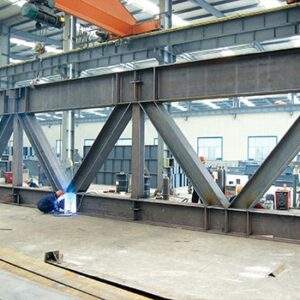
Structural steel columns can be classified based on their shapes, materials, and applications. Below, we detail the most common types and their characteristics:
NO 1. Hollow Structural Sections (HSS) Columns
HSS columns are hollow, tubular structures with circular, square, or rectangular cross-sections.
Features
- Lightweight but strong
- Uniform load distribution
- Suitable for aesthetic architectural designs
Applications
- Used in modern architecture for sleek designs
- Commonly found in bridges and stadiums
NO 2. I-Section Columns
Also known as universal columns, I-section columns are shaped like the letter “I” and are one of the most popular types of structural steel column.
Features
- High strength-to-weight ratio
- Excellent for bearing axial loads
Applications
- High-rise buildings
- Industrial structures requiring heavy load-bearing capacity
NO 3. Tapered Columns
Tapered columns have varying cross-sectional dimensions, typically wider at the base and narrower at the top.
Features
- Efficient load distribution
- Aesthetic appeal in modern designs
Applications
- Industrial warehouses
- Airport terminals and large-span structures
NO 4. L-Shaped Columns
These columns have an “L” cross-section and are typically used in corner structures.
Features
- Provide lateral stability
- Compact design for confined spaces
Applications
- Corner columns in frames
- Low-rise buildings with complex layouts
NO 5. Composite Columns
Composite columns combine structural steel with other materials like concrete to enhance load-bearing capacity.
Features
- Enhanced strength and fire resistance
- Reduced buckling risks
Applications
- Multi-story buildings
- Seismic-resistant structures
Comparison of Structural Steel Column


| Type of Column | Shape or Cross-Section | Key Features | Common Applications |
|---|---|---|---|
| Hollow Structural Sections (HSS) | Circular, Square, Rectangular | Lightweight, uniform load distribution | Bridges, stadiums, modern architecture |
| I-Section Columns | I-shaped | High strength-to-weight ratio | High-rise buildings, industrial plants |
| Tapered Columns | Varying dimensions | Efficient load distribution, aesthetic | Warehouses, airport terminals |
| L-Shaped Columns | L-shaped | Provide lateral stability | Low-rise and corner structures |
| Composite Columns | Combined materials | Enhanced strength, fire resistance | Multi-story, seismic-resistant buildings |
This table provides an easy-to-read comparison of the most common types of structural steel columns, their features, and their applications.
Benefits of Using Structural Steel Columns
Strength and Durability
Structural steel column provide unmatched strength and are capable of withstanding heavy loads, ensuring the stability of the structure.
Versatility
These columns are adaptable to various designs and can be customized for unique architectural and functional needs.
Cost-Effectiveness
Structural steel column are economical in the long term due to their durability and minimal maintenance requirements.
Sustainability
Structural steel is recyclable, making these columns an environmentally friendly choice for modern construction.
Aesthetic Appeal
Certain types of structural steel column, such as HSS columns, are ideal for creating visually appealing designs.
Applications of Structural Steel Columns

Structural steel columns are used across various industries, such as:
Construction
Used for framing high-rise buildings, residential complexes, and shopping malls.
Industrial Structures
Ideal for warehouses, factories, and power plants.
Transportation
Frequently used in bridges, tunnels, and railway stations.
Infrastructure
Critical for public facilities such as stadiums, airports, and auditoriums.
Conclusion
Structural steel columns are the backbone of modern construction, providing the strength and stability required to support diverse structures. By understanding the different types and their applications, you can make an informed choice for your project. Whether you need lightweight HSS columns for an architectural masterpiece or robust I-section columns for an industrial facility, selecting the right type is crucial for achieving durability and efficiency. At Guanglei Steel Structure, we specialize in manufacturing high-quality structural steel products tailored to your needs. Contact us today to explore our range of structural steel columns and take your project to the next level.
FAQ
What are structural steel columns used for?
Structural steel columns are used to transfer vertical and lateral loads in buildings, bridges, and other structures, ensuring their stability and strength.
How do I choose the right type of structural steel column?
Consider the project’s requirements, including load-bearing capacity, aesthetic preferences, and environmental factors, to select the most suitable column type.
What are the advantages of hollow structural section (HSS) columns?
HSS columns are lightweight, strong, and aesthetically pleasing, making them ideal for modern architectural designs and tight spaces.
Are structural steel column environmentally friendly?
Yes, structural steel is recyclable and sustainable, making it an eco-friendly choice for construction.
How do composite columns differ from traditional steel columns?
Composite columns combine steel and concrete, offering enhanced strength, fire resistance, and reduced risk of buckling.
Can structural steel columns be customized?
Yes, structural steel columns can be tailored to meet specific design and functional requirements, including size, shape, and material composition.
What maintenance is required for structural steel column?
Routine inspections, rust prevention measures, and cleaning are essential to maintain the integrity and appearance of structural steel column.