Welcome to My Blog!
Before we dive into the content, I’d love for you to join me on my social media platforms where I share more insights, engage with the community, and post updates. Here’s how you can connect with me:
Facebook:https://www.facebook.com/profile.php?id=61565337355573
Now, let’s get started on our journey together. I hope you find the content here insightful, engaging, and valuable.
Table of Contents
Introduction
Steel, a material renowned for its exceptional strength, durability, and versatility, has been a cornerstone of the construction industry for centuries. Steel building structures, composed of intricate frameworks of steel beams, columns, and connections, offer a multitude of advantages over traditional materials like concrete and wood. From towering skyscrapers that pierce the skyline to sprawling industrial facilities that drive economic growth, steel structures have become an integral part of the modern built environment. In this comprehensive exploration, we will delve into the diverse types of steel building structures, their unique characteristics, and their applications across various industries.
Understanding Steel Building Structures
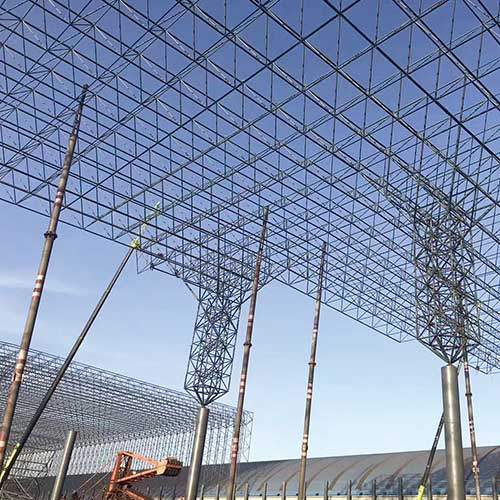
Steel building structures are meticulously engineered systems that employ a range of steel components, including beams, columns, trusses, and connections. These components are meticulously fabricated and assembled to form the robust skeleton of a building, providing essential support and stability. The selection of a specific steel structure type hinges on a variety of factors, such as the building’s intended use, size, shape, and the desired aesthetic appeal.
Types of Steel Building Structures


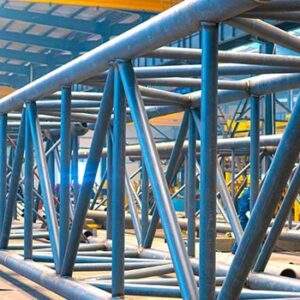
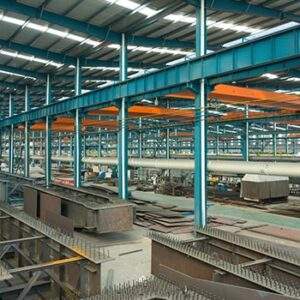
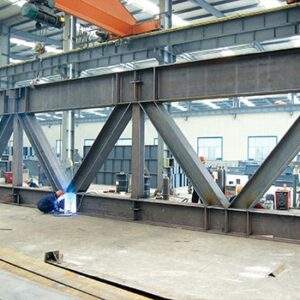
Steel Frame Structures
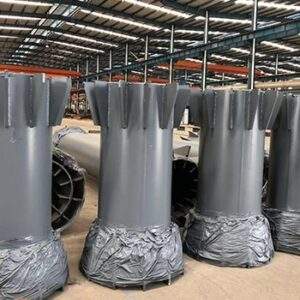
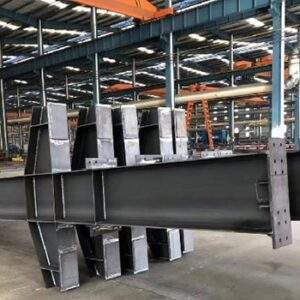
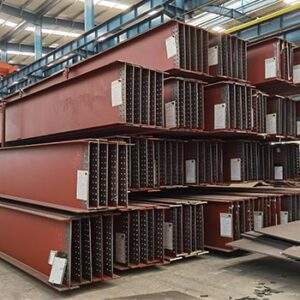
Steel frame structures are among the most prevalent types of steel buildings, characterized by their versatile and efficient design. They comprise a framework of steel columns and beams that serve as the backbone of the structure, supporting the floors, roof, and walls. Steel frame structures offer a compelling array of advantages, including:
- Versatility: Suitable for a broad spectrum of building types, ranging from residential to commercial applications, steel frames adapt seamlessly to varying architectural styles and functional requirements. This makes them a preferred choice for diverse construction needs, whether it’s a skyscraper, warehouse, or modern home.
- Rapid Construction: Prefabricated components expedite the construction process, reducing project timelines and labor costs. The ease of assembly also minimizes disruptions on-site, allowing projects to progress smoothly and efficiently.
- Exceptional Strength and Durability: Steel frames are renowned for their ability to withstand heavy loads and harsh environmental conditions, including strong winds, earthquakes, and extreme temperatures. Their long-lasting nature reduces the need for frequent repairs, offering peace of mind to builders and property owners.
- Aesthetic Flexibility: Steel frames can be either exposed or concealed, providing architects and designers with creative freedom to achieve desired aesthetic outcomes. Whether aiming for a sleek industrial look or a clean, minimalistic design, steel’s adaptability supports various artistic visions.
Steel Truss Structures
Steel trusses are distinctive triangular frameworks composed of interconnected steel members. They are particularly well-suited for long-span applications, such as roofs, bridges, and industrial buildings. Trusses are highly efficient in transferring loads, enabling them to span greater distances than conventional beam structures.
- Long-Span Capabilities: Ideal for creating expansive, open spaces, steel structures allow for unobstructed interiors without the need for excessive columns or supports. This makes them perfect for applications like warehouses, stadiums, and large commercial buildings where open floor plans are essential.
- Lightweight Design: Offers a favorable strength-to-weight ratio, making steel easier to transport and handle during construction. This reduces the load on foundations and supports, resulting in additional cost savings and simplified installation.
- Cost-Effective: Can reduce the overall quantity of steel required compared to other structural systems, leading to lower material costs. Additionally, the ease of fabrication and construction with steel further enhances its affordability for large and small projects alike.
Steel Arch Structures
Steel arch structures are characterized by their graceful curved shape, which imparts exceptional strength and stability. They are commonly employed in the construction of bridges, stadiums, and other large-span structures.
- Remarkable Strength: Capable of withstanding significant loads and environmental forces, these structures are designed to ensure stability and safety even under challenging conditions like high winds, heavy snowfall, or seismic activity. Their robust nature makes them suitable for demanding applications.
- Aesthetic Appeal: The elegant curved form creates a visually striking and iconic appearance, often becoming a centerpiece of architectural designs. This blend of functionality and beauty adds value to projects, making them stand out in both urban and natural landscapes.
- Long-Span Potential: Ideal for bridging significant distances, these structures minimize the need for intermediate supports, providing unobstructed space below. This is particularly advantageous for large-scale applications like bridges, stadiums, or airport terminals.
Steel Cable Structures
Steel cable structures harness the power of cables to support loads, enabling the creation of innovative and visually striking designs. They are frequently utilized for roofs, suspension bridges, and tensile structures.
- Lightweight Design: Offers a superior strength-to-weight ratio, reducing the overall load on foundations and simplifying transportation and installation. This efficient design makes it an excellent choice for projects requiring structural efficiency without compromising on performance.
- Long-Span Capabilities: Can create vast, open spaces without the need for interior columns, making it ideal for arenas, exhibition halls, and large public venues. This not only maximizes usable space but also enhances the functionality and flexibility of the structure.
- Unique Aesthetics: The interplay of cables and structural elements creates a visually dynamic and captivating appearance, combining engineering innovation with architectural beauty. This distinctive style often becomes a signature feature, enhancing the visual appeal of any project.
Comparison of Steel Building Structures
| Feature | Steel Frame | Steel Truss | Steel Arch | Steel Cable |
|---|---|---|---|---|
| Versatility | High | High | Medium | Medium |
| Span Capacity | Medium | High | High | Very High |
| Strength | High | High | Very High | Very High |
| Weight | Medium | Medium | Medium | Low |
| Aesthetics | Versatile | Industrial | Dramatic | Unique |
| Cost | Moderate | Moderate | High | High |
Applications of Steel Building Structures
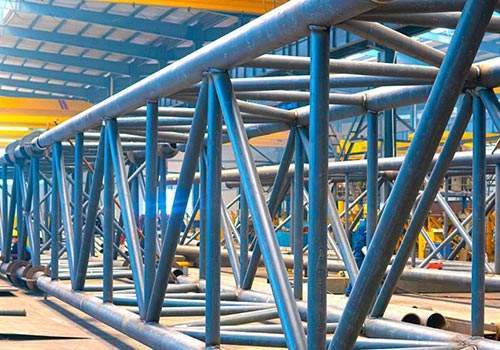
Steel building structures find widespread application across a diverse range of industries and sectors, revolutionizing the construction landscape. Some of the key applications include:
- Commercial Buildings: Steel frames provide the structural backbone for a wide range of commercial buildings, including offices, retail stores, shopping malls, and hotels. Their versatility, durability, and aesthetic appeal make them an ideal choice for creating modern and functional commercial spaces.
- Industrial Facilities: Steel structures are essential for constructing robust and efficient industrial facilities, such as factories, warehouses, and manufacturing plants. Their high load-bearing capacity, fire resistance, and durability ensure the safety and longevity of these facilities.
- Residential Buildings: Steel framing is increasingly used in residential construction, offering advantages like speed of construction, energy efficiency, and design flexibility. Steel-framed houses can be customized to suit various architectural styles and preferences.
- Infrastructure: Steel plays a vital role in the construction of essential infrastructure projects, including bridges, towers, and stadiums. Its exceptional strength and durability make it the preferred material for these large-scale structures.
- Agricultural Buildings: Steel structures are widely used in agricultural applications, such as barns, sheds, and greenhouses. They offer durability, low maintenance, and resistance to harsh weather conditions.
- Offshore Structures: Steel is the primary material used in the construction of offshore oil and gas platforms, as well as wind turbines. Its corrosion resistance and ability to withstand extreme marine environments make it ideal for these demanding applications.
Conclusion
Steel building structures offer a compelling combination of strength, durability, versatility, and aesthetic appeal, making them an indispensable component of modern construction. By understanding the diverse types of steel structures and their unique characteristics, engineers and architects can select the optimal solution for each project, ensuring the creation of safe, efficient, and visually striking buildings.
FAQ
What are the advantages of steel buildings over concrete buildings?
Steel buildings offer several advantages over concrete buildings, including:
- Faster Construction: Steel structures can be constructed more quickly due to prefabrication and modular assembly.
- Greater Design Flexibility: Steel allows for more intricate and innovative designs.
- Superior Strength-to-Weight Ratio: Steel is stronger and lighter than concrete, reducing foundation requirements.
- Durability and Longevity: Steel structures are highly resistant to fire, pests, and decay.
- Sustainability: Steel is a recyclable material, making it an environmentally friendly choice.
How are steel buildings connected?
Steel buildings are connected through a variety of methods, including:
- Bolting: High-strength bolts are used to connect steel components.
- Welding: Steel components are fused together using welding techniques.
- Riveting: Rivets are used to join steel plates and sections.
What is the lifespan of a steel building?
With proper maintenance, steel buildings can last for over 100 years. The actual lifespan depends on factors such as the quality of construction, the type of steel used, and the environmental conditions.
What are the environmental impacts of steel building construction?
While steel production has environmental impacts, steel buildings offer several environmental benefits:
- Reduced Construction Waste: Steel is highly recyclable, minimizing waste generation.
- Energy Efficiency: Steel buildings can be designed to be energy-efficient, reducing operational costs and environmental impact.
- Durability and Longevity: Long-lasting steel buildings reduce the need for frequent replacements.
What are some of the latest trends in steel building design?
Some of the latest trends in steel building design include:
- Sustainable Design: Incorporating eco-friendly materials and energy-efficient systems.
- Modular Construction: Using prefabricated modules for faster and more efficient construction.
- Innovative Design: Pushing the boundaries of structural design to create unique and iconic buildings.
- Integration of Technology: Incorporating smart building technologies for improved energy efficiency and occupant comfort.