Planning a roof or wall system that requires Z-shaped purlins?
Our Z sections are designed for optimal strength-to-weight ratio—ideal for warehouses, factories, and commercial buildings. Available in standard sizes or custom profiles.
Request a free specification → [Contact Us]
Table of Contents
Introduction

Structural steel Z shapes, also known as Z-sections, are versatile steel profiles that find extensive use in various construction and engineering applications. Characterized by their unique shape, Z-sections offer a combination of strength, flexibility, and cost-effectiveness, making them a popular choice for engineers and builders alike. In this comprehensive guide, we will delve into the world of structural steel Z shapes, exploring their applications, benefits, and key considerations.
Understanding Structural Steel Z Shapes
Before we dive into the applications of Z-sections, let’s briefly understand what they are. A Z-section is a type of structural steel profile that has a cross-sectional shape resembling the letter “Z”. This shape provides excellent bending resistance and torsional stiffness, making it ideal for various structural applications.
Key Benefits of Structural Steel Z Shapes
- High strength-to-weight ratio: Z-sections offer an excellent strength-to-weight ratio, making them efficient for carrying heavy loads while minimizing the overall weight of the structure.
- Versatility: The unique shape of Z-sections allows for their use in a wide range of applications, from building construction to industrial structures.
- Cost-effective: Z-sections are generally more cost-effective compared to other steel profiles, making them a popular choice for budget-conscious projects.
- Ease of fabrication: Z-sections can be easily fabricated and joined using various techniques, such as welding and bolting.
- Durability: Structural steel Z shapes are highly durable and resistant to corrosion, ensuring long-term performance.
Applications of Structural Steel Z Shapes
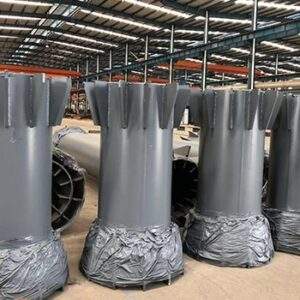


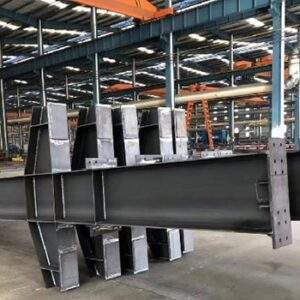
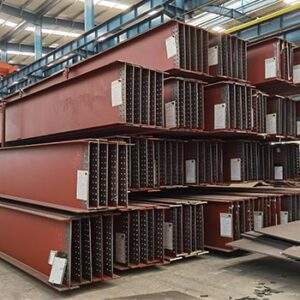
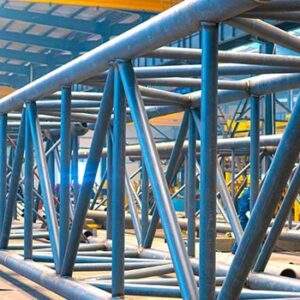
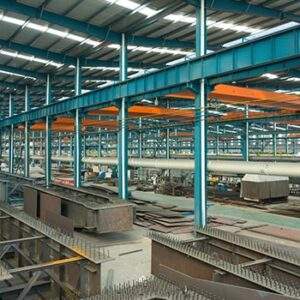
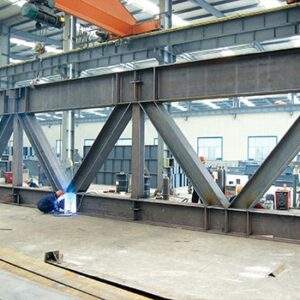
Structural steel Z shapes find applications in a variety of construction and engineering projects. Some of the most common applications include:
- Building construction: Z-sections are used as purlins, rafters, and studs in building construction to support roofs, walls, and floors.
- Industrial structures: Z-sections are used in the construction of industrial buildings, warehouses, and factories due to their strength and durability.
- Bridges: Z-sections are used in bridge construction to provide support and reinforcement.
- Transmission towers: Z-sections are used in the construction of transmission towers to support electrical power lines.
- Marine structures: Z-sections are used in the construction of marine structures such as docks, piers, and offshore platforms.
Factors to Consider When Selecting Structural Steel Z Shapes
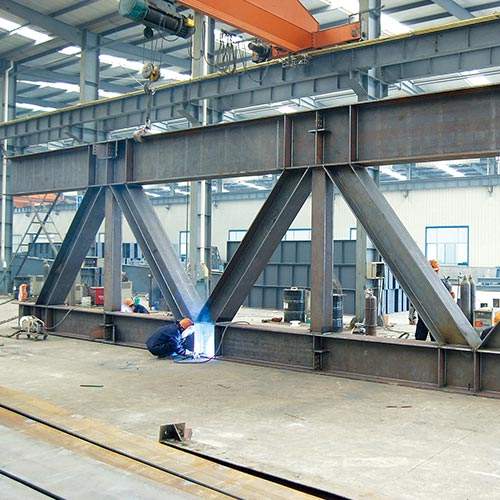
When selecting structural steel Z shapes for a specific application, several factors need to be considered, including:
- Load-bearing capacity: The Z-section must have sufficient load-bearing capacity to support the anticipated loads.
- Span length: The span length of the member will determine the required section modulus.
- Deflection: The maximum allowable deflection must be considered to ensure the structural integrity of the member.
- Corrosion resistance: If the Z-section will be exposed to corrosive environments, it may be necessary to select a corrosion-resistant grade of steel or apply a protective coating.
- Fabrication and connection methods: The chosen fabrication and connection methods will influence the overall cost and constructability of the project.
Table: Comparison of Different Steel Profiles
| Profile | Shape | Advantages | Disadvantages | Applications |
|---|---|---|---|---|
| Z-section | Z-shaped | High strength-to-weight ratio, versatile, cost-effective | Limited availability in some regions | Purlins, rafters, studs |
| I-beam | I-shaped | High bending resistance, widely available | Heavier than Z-sections | Beams, columns |
| C-channel | C-shaped | Versatile, easy to fabricate | Lower bending resistance compared to I-beams | Purlins, studs |
| Angle | L-shaped | Versatile, can be used for both structural and non-structural applications | Limited bending resistance | Bracing, connections |
Conclusion
Structural steel Z shapes are versatile and cost-effective steel profiles that find widespread use in various construction and engineering applications. Their high strength-to-weight ratio, ease of fabrication, and durability make them an excellent choice for a wide range of projects. By carefully considering the factors discussed in this article, engineers and builders can select the appropriate Z-section for their specific needs.
FAQ
What is the difference between a Z-section and an I-beam?
Z-sections and I-beams are both structural steel profiles, but they have different cross-sectional shapes. Z-sections have a Z-shaped cross-section, while I-beams have an I-shaped cross-section. Z-sections are generally lighter and more cost-effective than I-beams.
What are the common applications of Z-sections in building construction?
Z-sections are commonly used as purlins, rafters, and studs in building construction to support roofs, walls, and floors.
How are Z-sections joined to other structural members?
Z-sections can be joined to other structural members using various techniques, such as welding, bolting, and riveting.
What factors should be considered when selecting a Z-section?
When selecting a Z-section, factors such as load-bearing capacity, span length, deflection, corrosion resistance, and fabrication methods should be considered.