Table of Contents
Introduction
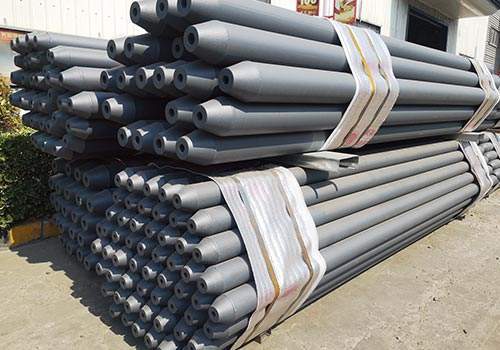
Structural steel is one of the most widely used materials in modern construction due to its high strength, versatility, and long service life. From residential buildings to large-scale infrastructure projects, different structural steel types play a critical role in ensuring safety, performance, and cost efficiency.
As a structural steel manufacturer, producing consistent and high-quality steel products is not only about meeting standards but also about supporting global construction demands with reliable material solutions. This article provides a practical and technical guide to structural steel types, helping engineers, contractors, and procurement teams make informed decisions while also improving search visibility for industry-related queries.
What Are Structural Steel Types?
Structural steel types refer to different categories of steel materials designed specifically for load-bearing and structural applications. These steels are engineered to withstand stress, pressure, and environmental conditions in construction projects.
Different structural steel types exist because no single material can meet all engineering requirements. Factors such as building height, load capacity, weather exposure, and project budget all influence steel selection.
From a manufacturing perspective, steel classification is strictly controlled through chemical composition, mechanical properties, and production standards to ensure consistency across global applications.
Main Categories of Structural Steel Types
Structural steel is generally divided into several major categories based on composition and performance.
Carbon Structural Steel
Carbon steel is one of the most commonly used structural materials. It offers a balanced combination of strength and affordability, making it suitable for general construction projects.
Alloy Structural Steel
Alloy steel contains additional elements such as chromium, nickel, or molybdenum. These enhancements improve strength, hardness, and wear resistance, making it ideal for heavy-duty engineering applications.
High-Strength Low-Alloy (HSLA) Steel
HSLA steel provides higher strength with reduced weight. It is widely used in bridges, high-rise buildings, and transportation structures where both efficiency and durability are required.
Stainless Structural Steel
Stainless steel is known for its excellent corrosion resistance. It is commonly used in marine environments, chemical plants, and structures exposed to moisture or corrosive conditions.
Structural Steel Shapes and Profiles

Structural steel is not only categorized by composition but also by shape and section type, each serving a different engineering function.
- I-Beams and H-Beams: Primary load-bearing elements in building frameworks
- Channels and Angles: Secondary support structures and reinforcement components
- Hollow Structural Sections (HSS): Square, rectangular, and circular tubes with high torsional strength
- Plates and Flat Bars: Used for fabrication, welding, and custom structural design
These shapes are essential in steel frame construction and directly influence load distribution and structural stability.
Structural Steel Standards and Grades
Global construction projects rely on standardized steel grades to ensure safety and compatibility.
| Standard System | Common Grades | Region | Application |
|---|---|---|---|
| ASTM | A36, A572 | United States | General construction, bridges |
| EN | S235, S355 | Europe | Building structures, infrastructure |
| JIS | SS400, SM490 | Japan/Asia | Industrial and civil engineering |
These standards define mechanical properties such as yield strength, tensile strength, and elongation, ensuring that structural steel performs reliably under design loads.
Mechanical Properties of Structural Steel Types
Understanding mechanical performance is essential for proper material selection.
Structural steel typically demonstrates:
- High tensile strength for load resistance
- Controlled ductility for deformation without failure
- Strong impact resistance for dynamic loads
- Varying corrosion resistance depending on composition and treatment
As a manufacturer, controlling these properties during production ensures each steel batch meets engineering requirements and international quality expectations.
Structural Steel Types in Construction Applications
Different structural steel types are used across a wide range of industries:
- Residential buildings: lightweight framing systems for cost efficiency
- Commercial structures: long-span beams for office and retail buildings
- Bridges and infrastructure: high-strength steel for heavy load distribution
- Industrial facilities: durable steel frames for machinery support
- Offshore engineering: corrosion-resistant steel for marine environments
Each application requires careful selection of steel grade and shape to ensure long-term structural integrity.
How to Select the Right Structural Steel Type
Choosing the correct structural steel type depends on several key factors:
- Load requirements: static and dynamic stress conditions
- Environmental exposure: humidity, temperature, and corrosion risk
- Budget considerations: balancing performance and cost efficiency
- Engineering design: compliance with building codes and standards
- Supply reliability: consistency from a trusted manufacturer
Proper selection reduces maintenance costs and improves the overall safety and lifespan of the structure.
Structural Steel Manufacturing Process

From a manufacturing standpoint, structural steel production involves several critical stages:
Raw Material Selection
High-quality iron ore and alloying elements are selected to ensure consistency in composition.
Smelting and Refining
Impurities are removed to improve strength, ductility, and durability.
Rolling and Forming
Steel is shaped into beams, plates, and sections according to design specifications.
Heat Treatment
Controlled heating and cooling processes enhance mechanical performance.
Quality Inspection
Each batch undergoes tensile testing, hardness testing, and dimensional inspection to ensure compliance with international standards.
This controlled manufacturing process ensures structural reliability across all applications.
Advantages of Buying from a Structural Steel Manufacturer
Working directly with a manufacturer offers several important advantages:
- Factory-direct pricing without intermediaries
- Stable product quality with strict production control
- Custom fabrication based on project requirements
- Large-scale production capacity for global supply
- Technical support from engineering and production teams
For construction companies and distributors, direct sourcing significantly improves procurement efficiency and cost control.
Common Mistakes in Structural Steel Selection
Many project issues arise from improper material selection:
- Choosing incorrect steel grade for load requirements
- Ignoring environmental corrosion risks
- Over-specifying steel strength, increasing project cost
- Working with unreliable suppliers lacking quality control
Avoiding these mistakes ensures better structural performance and long-term safety.
Structural Steel Types vs Other Construction Materials
Structural steel is often compared with other building materials:
- Steel vs reinforced concrete: steel offers higher flexibility and faster construction
- Steel vs aluminum: steel provides superior strength and load capacity
- Steel vs composite materials: steel remains more cost-effective for large-scale structures
In most heavy construction applications, structural steel remains the preferred choice due to its balance of strength, durability, and efficiency.
Global Demand Trends for Structural Steel Types
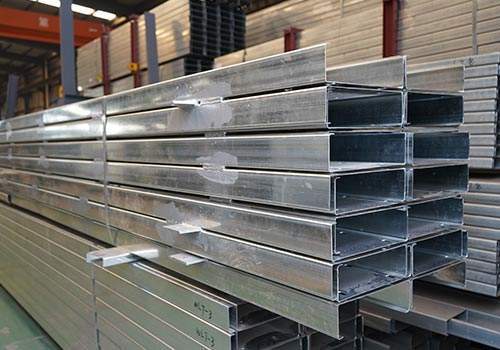
The demand for structural steel continues to grow due to:
- Rapid urbanization and infrastructure expansion
- Increasing use of prefabricated steel structures
- Rising demand for sustainable and recyclable materials
- Development of high-performance steel grades
Manufacturers are continuously improving production processes to meet evolving global construction needs.
Conclusion
Structural steel types are fundamental to modern engineering and construction. Each type—whether carbon steel, alloy steel, HSLA steel, or stainless steel—serves a specific purpose depending on load requirements, environmental conditions, and project design.
From a manufacturing perspective, maintaining strict quality control, adhering to international standards, and delivering consistent performance are essential for supporting global infrastructure development.
For buyers, contractors, and engineering teams, selecting the right structural steel type is not only a technical decision but also a long-term investment in safety, durability, and cost efficiency.
FAQ
What are structural steel types used for?
Structural steel types are used in construction projects to provide load-bearing support for buildings, bridges, industrial facilities, and infrastructure. They ensure strength, stability, and long-term durability in structural frameworks.
What are the main structural steel types?
The main structural steel types include carbon steel, alloy steel, high-strength low-alloy (HSLA) steel, and stainless steel. Each type is designed for different performance requirements such as strength, weight efficiency, and corrosion resistance.
How do I choose the right structural steel type?
The right structural steel type depends on load requirements, environmental conditions, project design, and budget. Engineers typically select steel based on strength grade, corrosion resistance, and structural application.
What is the difference between structural steel types and grades?
Structural steel types refer to material categories based on composition and performance, while grades define specific mechanical properties such as yield strength, tensile strength, and elongation under international standards like ASTM or EN.
Why is structural steel widely used in construction?
Structural steel is widely used because it offers high strength, flexibility, cost efficiency, and recyclability. It can support heavy loads while allowing fast construction and long service life across various building applications.