Welcome to My Blog!
Before we dive into the content, I’d love for you to join me on my social media platforms where I share more insights, engage with the community, and post updates. Here’s how you can connect with me:
Facebook:https://www.facebook.com/profile.php?id=61565337355573
Now, let’s get started on our journey together. I hope you find the content here insightful, engaging, and valuable.
Table of Contents
Introduction
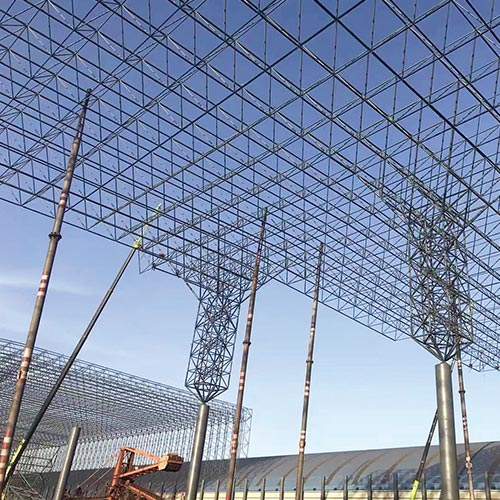
Structural steel material plays a critical role in modern construction and engineering. Known for its versatility, strength, and durability, it is a preferred choice for designing buildings, bridges, and other infrastructures. The wide range of structural steel material types allows engineers and architects to choose the right one based on specific project requirements.
In this article, we’ll explore the different types of structural steel material, their unique properties, and how they are applied in various industries. Whether you’re working on a skyscraper or a manufacturing plant, understanding structural steel material will help you make informed decisions for your projects.
What Is Structural Steel Material?
Structural steel material refers to steel that is specially designed and fabricated to carry loads and withstand external forces. It is characterized by its high strength-to-weight ratio, ductility, and the ability to be shaped or welded into various forms. Structural steel material is a cornerstone in civil engineering and industrial applications.
Properties of Structural Steel Material
- High Strength: Structural steel can handle significant loads without deforming.
- Ductility: This allows the material to bend or stretch without breaking.
- Weldability: Structural steel can easily be welded into different shapes.
- Corrosion Resistance: Some structural steel materials, such as stainless steel, are highly resistant to rust and corrosion.
- Recyclability: Structural steel is one of the most recycled materials, making it an eco-friendly option.
Types of Structural Steel Material
Carbon Steel
Carbon steel is one of the most commonly used types of structural steel. It is known for its strength and affordability. However, it is less resistant to corrosion compared to alloy or stainless steel.
- Applications: Construction beams, columns, and pipelines.
Alloy Steel
Alloy steel is made by combining carbon steel with other elements like manganese, chromium, or nickel to enhance its properties. It offers better strength, toughness, and resistance to wear and tear.
- Applications: Bridges, machinery, and automotive parts.
Stainless Steel
Stainless steel contains chromium, which makes it highly resistant to corrosion. It also has a visually appealing finish, making it popular in architectural designs.
- Applications: Facades, handrails, and kitchen equipment.
High-Strength Low-Alloy (HSLA) Steel
HSLA steel is a lightweight yet strong type of structural steel material. It is specifically designed to perform under extreme conditions, such as heavy loads and harsh weather.
- Applications: High-rise buildings and long-span bridges.
Tool Steel
Tool steel is designed for manufacturing tools due to its hardness and resistance to heat and abrasion. While not commonly used in large structures, it plays a critical role in shaping and cutting other materials.
- Applications: Tool manufacturing, dies, and cutting equipment.
Applications of Structural Steel Material
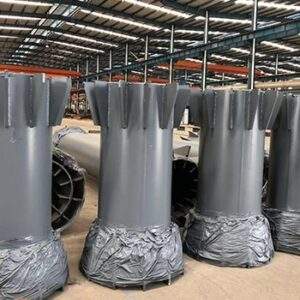


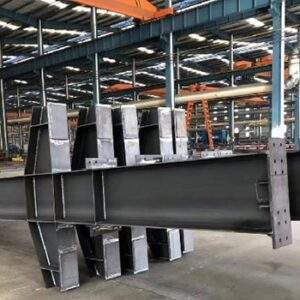
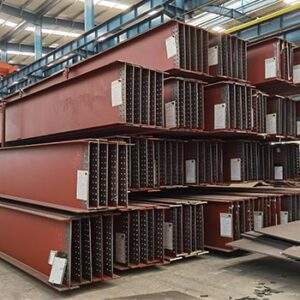
Construction
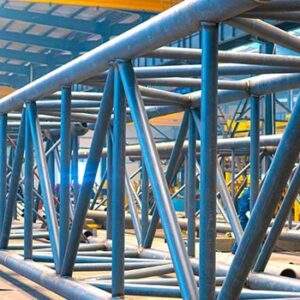
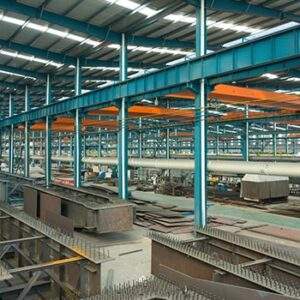
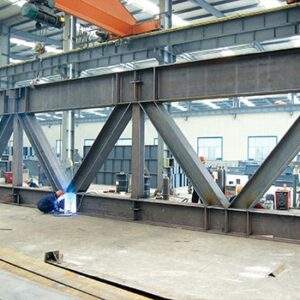
Structural steel is widely used in constructing buildings, including residential, commercial, and industrial structures. It forms the framework that supports walls, floors, and roofs.
Bridges
The high strength and flexibility of structural steel make it ideal for bridge construction. From pedestrian walkways to massive suspension bridges, structural steel material ensures safety and durability.
Industrial Equipment
Structural steel is a key component in manufacturing industrial equipment such as cranes, conveyors, and storage tanks. Its ability to withstand heavy loads and extreme conditions is crucial in these applications.
Transportation
In the transportation industry, structural steel material is used for building railways, ship hulls, and vehicle frames. Its combination of strength and lightweight properties ensures efficiency and safety.
Energy Sector
Structural steel is essential for constructing power plants, wind turbines, and oil rigs. Its durability and ability to support large loads make it indispensable in the energy sector.
Advantages of Structural Steel Material

Design Flexibility
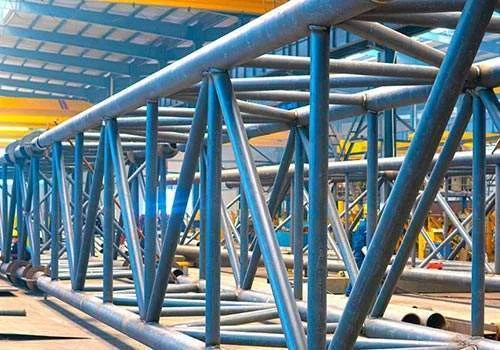
Structural steel can be fabricated into a variety of shapes and sizes, allowing for creative and functional designs.
Sustainability
As a recyclable material, structural steel helps reduce environmental impact, aligning with modern sustainability goals.
Cost-Effectiveness
Its strength and durability reduce the need for frequent replacements, making it a cost-effective choice in the long run.
Ease of Construction
Prefabricated structural steel components can be quickly assembled on-site, saving time and labor costs.
Longevity
Structural steel has a long service life, especially when protected against corrosion.
Table: Comparison of Structural Steel Material Types
| Type | Key Properties | Best Applications |
|---|---|---|
| Carbon Steel | Strong, affordable, less corrosion-resistant | Beams, pipelines, construction frames |
| Alloy Steel | Enhanced strength, wear resistance | Bridges, machinery, automotive parts |
| Stainless Steel | High corrosion resistance, aesthetic | Facades, handrails, kitchen equipment |
| High-Strength Low-Alloy Steel | Lightweight, high strength | Skyscrapers, long-span bridges |
| Tool Steel | Hard, heat-resistant | Tool manufacturing, cutting equipment |
How to Choose the Right Structural Steel Material

Assess Project Requirements
Determine the load, environmental conditions, and structural needs of your project before selecting a steel type.
Consider Corrosion Resistance
If your project is exposed to moisture or chemicals, stainless steel or coated carbon steel may be better options.
Budget Constraints
While some structural steel materials may be more expensive initially, their durability and low maintenance costs can save money in the long term.
Evaluate Strength and Ductility
Choose a steel type that meets the strength and flexibility requirements of your application.
Consult Experts
Always seek professional advice when selecting structural steel material to ensure it aligns with project specifications.
Conclusion
Structural steel material is a cornerstone of modern engineering and construction. Its versatility, strength, and sustainability make it an ideal choice for various applications, from bridges to buildings and beyond. By understanding the different types of structural steel material and their unique properties, you can make informed decisions that enhance the efficiency, safety, and longevity of your projects.
Selecting the right structural steel material requires careful consideration of your project needs, environmental factors, and budget. Investing time in this decision will pay off in the form of durable and cost-effective results.
FAQ
How is stainless steel different from carbon steel?
Stainless steel contains chromium, making it corrosion-resistant, while carbon steel is more affordable but less resistant to rust.
What are the benefits of using high-strength low-alloy steel?
HSLA steel offers high strength and lightweight properties, making it ideal for tall buildings and long-span bridges.
Can structural steel be recycled?
Yes, structural steel is 100% recyclable, making it an environmentally friendly option.
How do I protect structural steel from corrosion?
You can protect structural steel by applying coatings, paints, or galvanization.
What factors should I consider when choosing structural steel material?
Consider load requirements, environmental conditions, budget, and the specific needs of your project.
Is structural steel cost-effective?
Yes, its durability and low maintenance costs make it a cost-effective choice in the long term.