Welcome to My Blog!
Before we dive into the content, I’d love for you to join me on my social media platforms where I share more insights, engage with the community, and post updates. Here’s how you can connect with me:
Facebook:https://www.facebook.com/profile.php?id=61565337355573
Now, let’s get started on our journey together. I hope you find the content here insightful, engaging, and valuable.
Table of Contents
Introduction
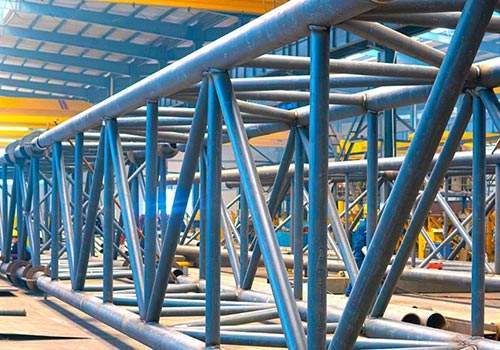
In the world of modern construction, the demand for robust, efficient, and versatile structural solutions is ever-increasing. Composite steel truss beams have emerged as a leading technology, offering unparalleled strength and adaptability. This blog post delves into the intricacies of composite steel truss beams, exploring their benefits, applications, and the factors that contribute to their superior performance. We will discuss the structural advantages of composite action in these beams, and why they are becoming a staple in contemporary building projects.
Understanding Composite Action in Steel Truss Beams
Composite action is the synergistic behavior of two or more materials acting together to resist loads. In composite steel truss beams, this typically involves the integration of steel trusses with concrete, creating a unified structural element. This combination leverages the tensile strength of steel and the compressive strength of concrete, resulting in a beam that is significantly stronger and more efficient than either material alone. The concrete component, usually in the form of a concrete slab, is connected to the steel truss using shear connectors, ensuring a seamless transfer of forces between the two materials. This composite action is crucial for achieving high load-bearing capacities and minimizing deflections.
Benefits of Composite Steel Truss Beam
- Enhanced Strength and Stiffness: The composite action significantly increases the overall strength and stiffness of the beam, allowing for longer spans and heavier loads.
- Reduced Deflection: The combined stiffness of steel and concrete minimizes deflection, ensuring structural stability and preventing excessive sagging.
- Increased Load-Bearing Capacity: Composite steel truss beams can handle significantly higher loads compared to traditional steel or concrete beams.
- Improved Structural Efficiency: The optimal use of materials reduces the overall weight of the structure, leading to cost savings and improved sustainability.
- Versatility in Design: These beams can be tailored to meet specific project requirements, offering flexibility in design and construction.
Applications of Composite Steel Truss Beams
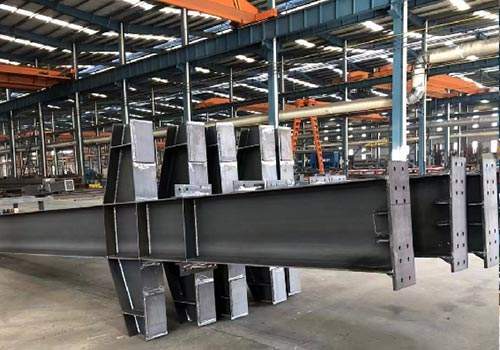
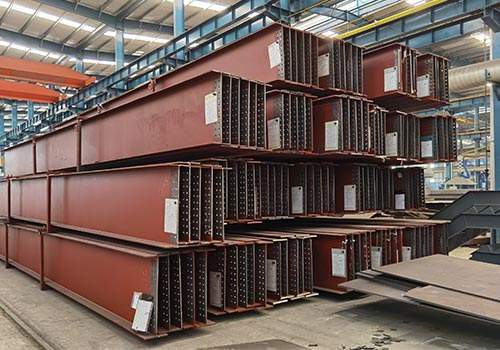
Composite steel truss beams are used in a wide range of applications, including:
- Bridges: Their high strength and stiffness make them ideal for bridge construction, particularly for long-span bridges.
- High-Rise Buildings: In tall buildings, these beams provide the necessary structural support for floors and roofs, allowing for open and flexible spaces.
- Industrial Buildings: Warehouses and industrial facilities benefit from the high load-bearing capacity and long spans offered by composite steel truss beam.
- Parking Garages: These structures require robust and durable beams to support heavy loads and withstand environmental conditions.
- Roof Structures: Long span roof structures like airport terminals and sports stadiums utilize composite steel truss beams.
Design Considerations for Composite Steel Truss Beams
Designing composite steel truss beam requires careful consideration of several factors, including:
- Load Analysis: Accurate assessment of dead loads, live loads, and environmental loads is essential for determining the required beam capacity.
- Material Selection: Choosing the appropriate grades of steel and concrete is crucial for achieving optimal performance.
- Shear Connector Design: The design of shear connectors is critical for ensuring effective composite action between the steel truss and concrete slab.
- Span and Spacing: Determining the optimal span and spacing of the beams is essential for maximizing structural efficiency.
- Construction Methodology: Selecting the appropriate construction methods, such as prefabrication or on-site assembly, can impact project timelines and costs.
Key Factors Affecting the Performance of Composite Steel Truss Beams
- Quality of Materials: High-quality steel and concrete are essential for achieving the desired strength and durability.
- Accuracy of Fabrication: Precise fabrication of the steel truss and accurate placement of shear connectors are critical for ensuring proper composite action.
- Quality of Construction: Proper installation and curing of the concrete slab are essential for achieving the desired performance.
- Environmental Conditions: Exposure to harsh environmental conditions, such as extreme temperatures or corrosive environments, can impact the long-term performance of the beams.
Advantages of Utilizing Composite Steel Truss Beams in Large Scale Projects
In large-scale projects, utilizing composite steel truss beams presents numerous advantages. The ability to achieve long spans with minimal support columns creates open, flexible spaces. This is particularly beneficial in buildings where adaptability and future modifications are essential. The strength to weight ratio of these beams also aids in minimizing the overall weight of the structure, reducing foundation requirements and construction costs. Furthermore, prefabrication of composite steel truss beam allows for faster on-site assembly, shortening construction timelines and minimizing disruptions.
Comparative Performance Metrics of Composite Steel Truss Beams
The following table provides a comparison of key performance metrics for different types of structural beams, including composite steel truss beam.
| Metric | Composite Steel Truss Beams | Traditional Steel Beams | Reinforced Concrete Beams |
|---|---|---|---|
| Strength-to-Weight Ratio | High | Medium | Low |
| Span Capability | Very High | High | Medium |
| Deflection Resistance | Very High | Medium | Medium |
| Load-Bearing Capacity | Very High | High | Medium |
| Construction Speed | High | Medium | Low |
| Cost-Effectiveness (Long Spans) | High | Medium | Medium |
Construction and Installation of Composite Steel Truss Beams
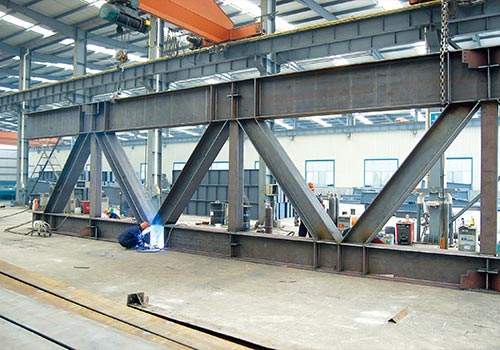
The construction and installation of composite steel truss beams involve several key steps. First, the steel truss is fabricated in a controlled environment, ensuring precise dimensions and quality. Shear connectors are then attached to the top flange of the truss. Next, the concrete slab is cast on top of the steel truss, with the shear connectors providing the necessary bond between the steel and concrete. Finally, the composite beam is lifted into place and secured to the supporting structure.
Maintenance and Durability of Composite Steel Truss Beams
Composite steel truss beam are designed for long-term durability and require minimal maintenance. Regular inspections are essential to identify any signs of damage or deterioration. Protective coatings can be applied to the steel to prevent corrosion, particularly in harsh environments. In cases where damage does occur, repairs can be performed relatively easily, ensuring the continued performance and longevity of the beams.
Conclusion
Composite steel truss beams represent a significant advancement in structural engineering, offering unparalleled strength, efficiency, and versatility. Their ability to handle heavy loads and span long distances makes them an ideal solution for a wide range of construction projects. As the demand for robust and sustainable building solutions continues to grow, composite steel truss beams are poised to play an increasingly important role in shaping the future of construction.
Enhance your construction projects with our premium composite steel truss beams. Contact us today to discuss your specific needs and discover how our solutions can elevate your projects to new heights.
FAQ
What are the primary advantages of composite steel truss beams?
The primary advantages include enhanced strength and stiffness, reduced deflection, increased load-bearing capacity, improved structural efficiency, and versatility in design.
Where are composite steel truss beams commonly used?
They are commonly used in bridges, high-rise buildings, industrial buildings, parking garages, and roof structures.
How does composite action enhance the performance of these beams?
Composite action allows the steel truss and concrete slab to work together, leveraging the tensile strength of steel and the compressive strength of concrete.
What are the key design considerations for composite steel truss beams?
Key considerations include load analysis, material selection, shear connector design, span and spacing, and construction methodology.