Welcome to My Blog!
Before we dive into the content, I’d love for you to join me on my social media platforms where I share more insights, engage with the community, and post updates. Here’s how you can connect with me:
Facebook:https://www.facebook.com/profile.php?id=61565337355573
Now, let’s get started on our journey together. I hope you find the content here insightful, engaging, and valuable.
Table of Contents
Introduction

Structural steel plays a pivotal role in modern construction and engineering, offering a versatile and reliable material for various applications. Among the many structural steel profiles, steel Z shapes stand out for their unique geometry and specific benefits. These Z-shaped profiles are commonly used in construction, industrial frameworks, and infrastructure projects due to their ability to provide both strength and flexibility.
In this comprehensive guide, we will explore the properties and applications of steel Z shapes, compare them with other structural steel options, and highlight why they are an excellent choice for specific projects.
What Are Steel Z Shapes?
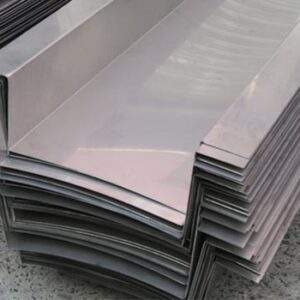
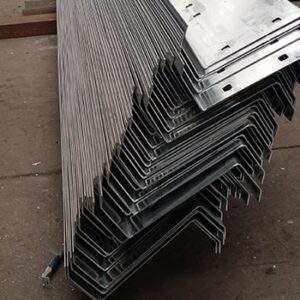
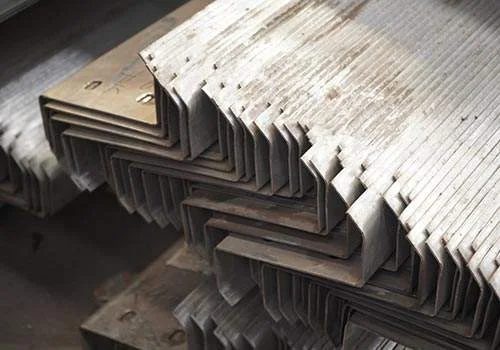
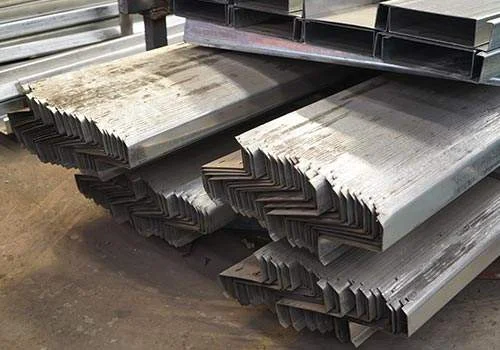
Steel Z shapes, also known as Z-sections or Z-profiles, are characterized by their unique “Z” shape when viewed from the end. These profiles are created by hot-rolling or cold-forming steel into the Z configuration. Their geometry provides a combination of strength, lightweight design, and versatility, making them ideal for applications where space or weight constraints are a concern.
Key features of steel Z shapes:
- Lightweight yet strong design
- High load-bearing capacity
- Easy to assemble and customize
- Efficient use of material, reducing waste
These properties make them a preferred choice for structures like roofing systems, wall panels, and industrial sheds.
Advantages of Steel Z Shapes
Lightweight and Efficient
Steel Z shapes are lighter than many other structural profiles, making them easier to transport, handle, and install. This efficiency can lead to cost savings in logistics and labor.
Excellent Load Distribution
The Z geometry allows for even distribution of loads, making these profiles suitable for applications where structural stability is critical.
Versatility in Design
Steel Z shapes are available in various sizes and thicknesses, providing flexibility for architects and engineers to use them in diverse projects.
Durability and Corrosion Resistance
When treated with protective coatings, steel Z shapes offer excellent resistance to corrosion, ensuring longevity even in challenging environments.
Applications of Steel Z Shapes
Roofing and Cladding Systems
Steel Z shapes are widely used in roofing and cladding systems due to their ability to span large areas without compromising strength.
Industrial Sheds and Warehouses
Their lightweight nature and high strength make them ideal for constructing industrial sheds and warehouses, where large spans and minimal supports are required.
Transportation and Infrastructure
Steel Z shapes are employed in railway systems, bridges, and other infrastructure projects, providing structural integrity while keeping the weight low.
Pre-engineered Buildings
In pre-engineered building systems, steel Z shapes are often used for purlins and girts, contributing to the overall stability and efficiency of the structure.
Steel Z Shapes vs. Other Structural Steel Options
To better understand the advantages of steel Z shapes, let’s compare them with other popular structural steel profiles:
| Feature | Steel Z Shapes | I-Beams | C-Channels | T-Beams |
|---|---|---|---|---|
| Weight | Lightweight | Heavier | Moderate | Moderate |
| Load Distribution | Even | Excellent | Moderate | Moderate |
| Ease of Installation | High | Moderate | High | Moderate |
| Material Efficiency | Excellent | Moderate | High | Moderate |
| Corrosion Resistance | High (with coating) | High (with coating) | High (with coating) | High (with coating) |
| Common Applications | Roofing, cladding, sheds | Large structures, bridges | Wall systems, frames | Architectural elements |
This comparison highlights the unique strengths of steel Z shapes, particularly in lightweight applications requiring efficient material usage.
Why Choose Steel Z Shapes?
Cost-Effective Solution
Steel Z shapes provide a cost-effective solution due to their lightweight nature and reduced material usage.
Customization and Flexibility
Available in a range of sizes and thicknesses, they can be tailored to meet specific project requirements.
Sustainability
Steel Z shapes contribute to sustainability in construction by reducing material waste and being recyclable.
Enhanced Aesthetics
The sleek design of Z shapes can add a modern aesthetic to structures, especially when used in visible applications like cladding.
Conclusion
Steel Z shapes offer a versatile, durable, and efficient solution for a wide range of construction and engineering projects. Their unique geometry, lightweight design, and excellent load distribution make them a standout choice among structural steel options.
By understanding the advantages and applications of steel Z shapes, architects and engineers can make informed decisions to optimize their designs and enhance the performance of their structures. As sustainability and cost-efficiency become increasingly important in construction, steel Z shapes continue to play a vital role in modern building practices.
FAQ
What are steel Z shapes commonly used for?
Steel Z shapes are commonly used in roofing systems, cladding, industrial sheds, and pre-engineered buildings due to their lightweight and high-strength properties.
How do steel Z shapes compare to I-beams?
Steel Z shapes are lighter and more material-efficient than I-beams, making them ideal for applications where weight is a concern. However, I-beams are better suited for heavy load-bearing structures.
How are steel Z shapes manufactured?
Steel Z shapes are typically manufactured through hot-rolling or cold-forming processes, which shape the steel into the characteristic Z profile.
What are the standard sizes of steel Z shapes?
Steel Z shapes are available in a wide range of sizes and thicknesses. The choice of size depends on the specific application and load requirements.
How do steel Z shapes contribute to cost savings in construction?
Their lightweight nature reduces transportation and installation costs, while their material efficiency minimizes waste, contributing to overall cost savings.