Table of Contents
Introduction

The industrial construction landscape in Malaysia has undergone a significant transformation over the past decade. As the country continues its rapid urbanization and industrial expansion, the demand for robust, cost-effective, and sustainable building solutions has never been higher. A dependable steel structure supplier plays a pivotal role in meeting these evolving demands, providing everything from raw materials to complete pre-engineered building solutions.
Malaysia’s structural steel market generated USD 462.5 million in revenue in 2024 and is projected to reach USD 640.5 million by 2030, growing at a compound annual growth rate (CAGR) of 5.9%. The non-residential segment—including warehouses, factories, and logistics facilities—accounts for the largest share and fastest growth in this market. For industrial buyers seeking to build or expand facilities, partnering with an experienced steel structure manufacturer is no longer optional; it’s essential for staying competitive in a rapidly developing market.
What Makes a Reliable Steel Structure Supplier in Malaysia
Not all steel structure suppliers are created equal. When evaluating potential partners for your industrial project, several critical factors distinguish reputable suppliers from the rest.
Technical Capability and Certification
A trustworthy steel fabrication company maintains rigorous quality management systems, typically demonstrated through ISO 9001:2015 certification. They employ qualified structural engineers who understand both local Malaysian building codes (MS standards) and international codes such as Eurocode 3, AISC, and GB 50017-2017.
Manufacturing Infrastructure
Look for suppliers with modern fabrication facilities equipped with automated cutting, welding, and assembly systems. Established Malaysian suppliers often have production capacities ranging from 1,000 to 5,000+ metric tons annually, enabling them to handle projects of varying scales.
Track Record and Experience
Companies with decades of experience—particularly those serving sectors like oil and gas, electronics manufacturing, and automotive—bring invaluable expertise to complex industrial projects. Their portfolio should demonstrate versatility across different building types and applications.
After-Sales Support and Warranties
Reliable suppliers provide comprehensive warranties on materials and workmanship, along with responsive technical support during and after project completion.
Role of a Steel Structure Manufacturer in Industrial Projects
A professional steel structure manufacturer serves as more than just a material supplier. Their involvement spans the entire project lifecycle, from conceptual design to final installation.
Engineering and Design
Manufacturers provide detailed structural calculations, 3D modeling, and custom design services tailored to each project’s specific requirements. They optimize steel frame structures for maximum efficiency, reducing material waste and construction time.
Precision Fabrication
Advanced fabrication facilities ensure millimetre-level accuracy in component manufacturing. This precision translates directly to faster on-site assembly and superior structural integrity.
Quality Control and Compliance
Reputable manufacturers implement multi-stage quality inspection protocols, including non-destructive testing methods such as ultrasonic testing and magnetic particle inspection to verify weld integrity.
Logistics and Installation
Established manufacturers coordinate transportation and provide skilled erection teams, ensuring seamless project delivery even for large-scale industrial complexes.
Advantages of Steel Structure Buildings in Malaysia’s Climate

Malaysia’s tropical climate—with its high humidity, intense rainfall, and coastal salt exposure—presents unique challenges for construction. Steel structure buildings offer several inherent advantages that make them particularly well-suited to these conditions.
Corrosion Resistance
Modern steel structures undergo specialized surface treatments including hot-dip galvanizing and epoxy coating systems that provide exceptional protection against corrosion. For coastal projects in areas like Johor, Penang, or Kuantan, these protective measures are non-negotiable.
Thermal Performance
Steel frame structures accommodate high-performance insulated panel systems that achieve U-values as low as 0.19 W/m²K, significantly reducing air-conditioning loads in Malaysia’s hot climate. Cool-roof coatings can lower roof surface temperatures by up to 40°C compared to conventional roofing materials.
Durability Under Extreme Weather
Properly designed steel structures withstand Malaysia’s seasonal thunderstorms and occasional high winds, providing long-term structural reliability that outperforms traditional construction methods.
Design Flexibility
The strength-to-weight ratio of steel allows for larger clear spans, providing flexible interior layouts ideal for warehouses, manufacturing floors, and logistics operations that require unobstructed space.
Steel Structure Supplier vs Local Contractor in Malaysia
When planning an industrial project, buyers often face a fundamental choice: engage a dedicated steel structure supplier or work through a general local contractor. Understanding the differences is crucial for making informed decisions.
| Criteria | Steel Structure Supplier | Local Contractor |
|---|---|---|
| Cost Efficiency | Factory-direct pricing, optimized material usage | Markups on materials and subcontractor fees |
| Technical Expertise | Specialized engineering capabilities | General construction knowledge |
| Quality Control | In-house fabrication monitoring | Dependent on third-party fabrication shops |
| Lead Time | Streamlined manufacturing process | Variable, depends on supplier chains |
| Customization | Design flexibility with specialized software | Often limited to standard solutions |
| Warranty | Direct manufacturer warranty | Contractual warranties through multiple parties |
For industrial buyers prioritizing cost control, quality assurance, and project timelines, direct engagement with a specialized steel structure manufacturer typically delivers superior outcomes compared to traditional contractor arrangements.
Cost Factors of Steel Structure Projects in Malaysia
Understanding the cost dynamics of industrial steel building projects helps buyers budget accurately and identify opportunities for cost optimization.
Material Costs
Steel prices fluctuate based on global commodity markets. Current market data indicates raw steel costs represent approximately 25-35% of total project costs for standard industrial buildings. Malaysia’s proximity to major Asian steel producers provides relatively stable supply chains.
Design Complexity
Custom configurations, unusual span requirements, or specialized load capacities increase engineering and fabrication costs. Pre-engineered building systems offer standardized solutions that reduce design expenses.
Site Preparation and Foundation
Ground conditions vary significantly across Malaysia. Sites with poor soil conditions in coastal or reclaimed areas may require enhanced foundation systems.
Corrosion Protection Systems
Given Malaysia’s humid climate, protective coating systems (galvanizing, powder coating, or industrial paint systems) represent a meaningful portion of the budget but are essential for long-term durability.
Transportation and Erection
Component size, site accessibility, and project location affect logistics costs. Suppliers located near major ports like Port Klang, Penang, or Johor often provide cost advantages for import-export projects.
PEB Cost Advantages
Pre-engineered building systems typically deliver 30-35% cost savings compared to conventional construction, with construction timelines reduced by 30-50%. These savings stem from optimized material usage, reduced labour requirements, and faster project completion.
Applications of Steel Structure Buildings in Industrial Sectors
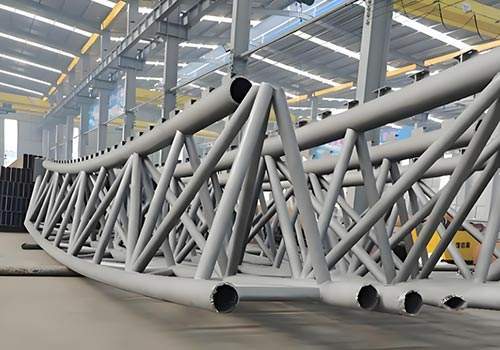
The versatility of steel frame structures makes them ideal for diverse industrial applications across Malaysia’s growing economy.
Manufacturing Facilities
From electronics assembly plants to food processing facilities, steel structures provide the clear spans, ceiling heights, and load-bearing capacity required for modern manufacturing operations. Projects for multinational companies like Intel, Lam Research, and Osram demonstrate the capability to meet stringent international standards.
Warehousing and Logistics
E-commerce growth and supply chain optimization drive demand for large-scale distribution centres. Steel structures offer rapid construction timelines essential for meeting market demand, with clear span capabilities reaching up to 90 metres for efficient racking systems.
Oil and Gas Infrastructure
The oil and gas sector in Malaysia—including operations at MMHE in Johor—requires specialized steel structures capable of withstanding harsh industrial environments. Suppliers experienced in this sector understand the stringent safety and quality requirements.
Automotive Industry
Manufacturing plants and components facilities for companies like Perodua, Proton, and their suppliers benefit from steel structures’ flexibility for future expansion and reconfiguration.
Commercial and Institutional Buildings
Beyond pure industrial applications, steel structures serve commercial complexes, agricultural facilities, and infrastructure projects including bridges and MRT stations.
Engineering and Fabrication Standards for Steel Structures
Quality steel fabrication demands strict adherence to established engineering standards. Reputable Malaysian suppliers comply with multiple international frameworks to ensure structural integrity and safety.
International Design Codes
- AISC (American Institute of Steel Construction): Widely recognized structural steel design standards
- Eurocode 3: European standard for steel structures, commonly adopted in international projects
- GB 50017-2017: Chinese standard for steel structure design
- IBC (International Building Code): Comprehensive building safety standards
Fabrication Standards
- AWS (American Welding Society): Welding procedure qualifications and welder certification
- MBMA (Metal Building Manufacturers Association): Guidelines for metal building systems
- MS Standards: Malaysian national standards for construction
Quality Assurance
ISO 9001:2015 certification provides baseline quality management requirements. Additionally, experienced suppliers implement comprehensive inspection and testing plans (ITP) covering raw material verification, in-process inspections, and final acceptance testing.
Why Industrial Buyers Prefer Direct Steel Structure Manufacturers
Direct engagement with pre-engineered building manufacturers offers compelling advantages for industrial buyers managing substantial construction investments.
Cost Transparency
Working directly with manufacturers eliminates intermediary markups, providing clearer visibility into actual project costs and enabling more effective budget management.
Technical Collaboration
Direct communication channels facilitate faster resolution of design queries and engineering challenges. Manufacturers’ technical teams can propose value-engineering solutions that general contractors might not identify.
Streamlined Project Management
Fewer parties involved means clearer accountability, reduced communication gaps, and more efficient change order processes.
Quality Accountability
When issues arise, direct manufacturers have both the capability and motivation to resolve problems quickly, protecting their reputation and client relationships.
Long-Term Partnership Potential
Successful projects often lead to ongoing relationships for future expansion, maintenance, and new facility construction—benefits that rarely emerge through transactional contractor relationships.
How to Select the Right Steel Structure Supplier for Your Project
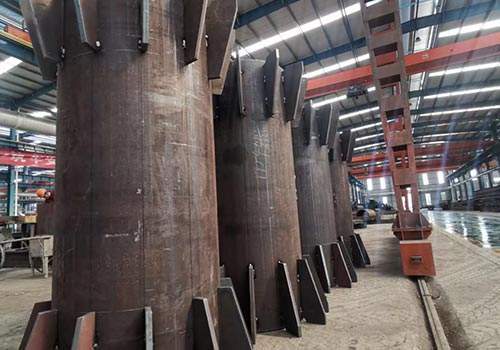
Choosing the appropriate steel structure supplier requires systematic evaluation across multiple dimensions.
1. Define Your Project Requirements
Clarify specifications including building dimensions, load requirements, environmental conditions, timeline, and budget constraints before initiating supplier discussions.
2. Evaluate Technical Capabilities
Request evidence of engineering qualifications, design software proficiency (BIM, Tekla, STAAD Pro), and relevant certifications.
3. Review Portfolio and References
Examine completed projects of similar scale and complexity. Request client references and, where possible, visit completed facilities.
4. Assess Manufacturing Capacity
Verify that the supplier’s production capabilities match your project requirements, considering both capacity and lead time requirements.
5. Understand Quality Assurance Processes
Request detailed information about inspection procedures, testing protocols, and documentation practices.
6. Evaluate Communication and Responsiveness
Effective communication during the selection process often predicts the quality of collaboration throughout the project.
7. Review Contract Terms Carefully
Examine warranty provisions, payment schedules, scope definitions, and dispute resolution mechanisms before finalizing agreements.
Conclusion
Selecting a reliable steel structure supplier in Malaysia is a critical decision for any industrial construction project. Beyond pricing, factors such as manufacturing capability, engineering precision, material quality, and project execution experience all play a decisive role in long-term performance.
As a steel structure manufacturer, providing integrated solutions—from design and fabrication to supply—ensures better control over quality, cost, and delivery timelines. For industrial buyers in Malaysia, working with an experienced manufacturer helps achieve safer, more efficient, and more durable steel structure buildings that meet modern construction demands.
FAQ
What is the typical lead time for a steel structure project in Malaysia?
Lead times vary based on project complexity and supplier capacity, but standard pre-engineered buildings typically require 8-12 weeks for fabrication after design approval. Larger or more complex projects may require additional time.
How do steel structures perform in Malaysia’s humid climate?
Modern steel structures with proper protective coatings (hot-dip galvanizing, epoxy systems) perform excellently in Malaysian conditions. Quality suppliers design specifically for tropical environments, accounting for humidity, rainfall, and coastal salt exposure.
What is the lifespan of a steel structure building?
With proper maintenance, well-designed steel structure buildings provide service lives exceeding 50 years. Protective coating systems may require renewal every 15-25 years depending on environmental exposure.
Can steel structures be expanded or modified after construction?
One key advantage of steel frame structures is their inherent flexibility. Extensions, additional bays, and interior modifications are typically achievable without major structural alterations.
What certifications should a Malaysian steel structure supplier hold?
Essential certifications include ISO 9001:2015 for quality management and CIDB (Construction Industry Development Board Malaysia) registration for government projects. Industry-specific certifications and awards provide additional quality indicators.