Table of Contents
Malaysia’s construction industry is evolving rapidly as developers seek building solutions that can endure the country’s demanding tropical weather. High humidity, frequent rainfall, and intense heat pose serious challenges to traditional building materials, often affecting long-term stability and safety. Steel structure components—such as steel beams, columns, trusses, steel connections, purlins, brackets, and other fabricated structural steel parts—have become the preferred solution among Malaysian contractors, architects, and engineers.
As a professional manufacturer of steel structure components, we understand the unique environmental pressures in Malaysia and design our products to match these real-world conditions. This article explains in detail why steel is one of the most reliable material choices for Malaysia and provides practical insights to help local builders make informed.
Understanding Malaysia’s Tropical Weather Conditions
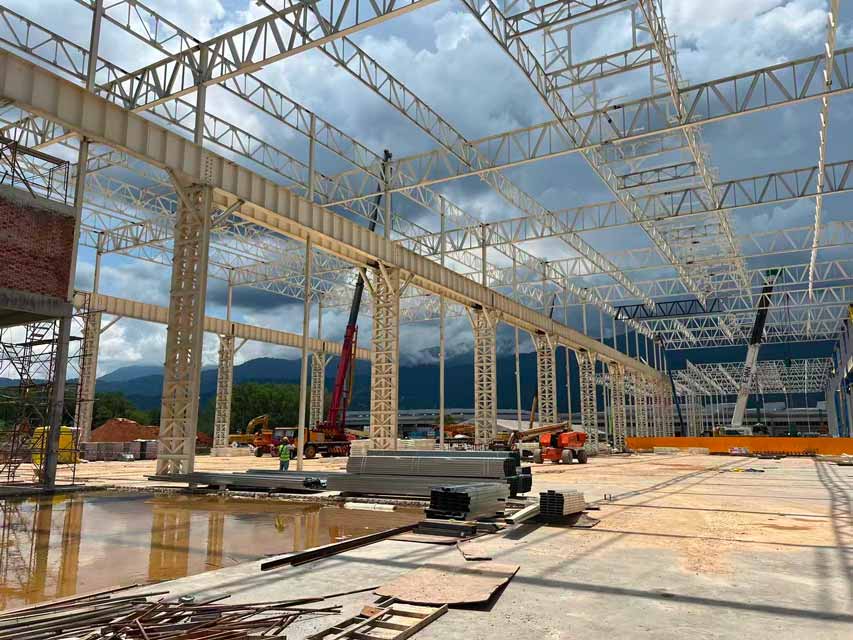
Malaysia’s tropical climate is characterized by high moisture levels, continuous rainfall, and seasonal monsoon winds. These conditions, while common for the region, impose strict performance requirements on building materials.
High Humidity and Year-Round Rainfall
Humidity in Malaysia often stays between 70% and 90% throughout the year, creating an environment where many materials deteriorate more quickly than expected. Timber absorbs water, causing warping and mold; concrete may develop internal cracks due to moisture accumulation. Steel structure components, when properly treated and manufactured, remain dimensionally stable and resistant to moisture-related problems. This is a major reason why many industrial, commercial, and residential projects in Malaysia increasingly rely on structural steel instead of conventional materials.
Temperature Fluctuations and Heat Exposure
Daily temperatures can swing significantly, especially in areas exposed to direct sunlight such as rooftops and industrial facilities. These fluctuations can cause structural expansion and contraction. High-quality steel structure components are engineered to tolerate thermal movement without compromising stability. When paired with the right steel connections and expansion allowances, steel remains one of the most predictable and stable materials under heat stress.
Environmental Challenges for Building Materials
In coastal areas like Penang, Johor, Sabah, and Labuan, the air contains higher levels of salt, which accelerates corrosion in inferior materials. Buildings in these regions require stronger, more corrosion-resistant solutions. Structural steel parts with specialized coatings, such as epoxy, galvanization, or powder finishing, consistently outperform wood and concrete in terms of lifespan, safety, and reliability under these harsh environmental conditions.
Key Advantages of Steel Structure Components in Humid Climates
Superior Moisture Resistance
Unlike porous materials, steel does not absorb water. This property alone makes it an ideal choice for construction in regions with consistent tropical storms and year-long humidity. When paired with the right protective treatment, steel building components can resist rust, mold, and deterioration even in exposed outdoor conditions. This performance is especially beneficial for warehouses, manufacturing plants, and large-span buildings that require minimal maintenance.
Reduced Warping Compared to Timber
Timber structures tend to bend, twist, or rot when exposed to moisture. Even treated wood cannot fully eliminate the impact of constant humidity. Steel structure components, especially precision-fabricated beams, trusses, and purlins, retain their straightness and physical integrity over decades, ensuring the overall structural geometry remains intact.
Long-Term Dimensional Stability
Because steel is produced using controlled manufacturing processes, its physical dimensions remain consistent regardless of weather conditions. This reduces structural problems such as sagging, uneven load distribution, or shifting support points. For long-term projects and industrial applications, dimensional stability directly contributes to safety and cost savings.
Corrosion-Resistant Steel Grades for Tropical Environments

Common Anti-Corrosion Treatments
Steel used in Malaysia often undergoes galvanizing, zinc-coated finishing, epoxy painting, or powder coating. These layers create a barrier that prevents moisture and oxygen from reaching the metal surface, significantly delaying corrosion. For coastal buildings or exposed industrial facilities, hot-dip galvanizing is especially effective due to its thick zinc layer and strong durability.
Choosing the Right Steel Grade for Malaysian Weather
Contractors often choose steel grades such as Q235, Q345, SS400, S275, or galvanized structural steel because of their strength-to-weight ratio and resistance to corrosion. These grades balance durability, cost-effectiveness, and suitability for various applications, from warehouse frames to multi-storey structures.
How Protective Coatings Extend Service Life
A properly applied coating can extend the lifespan of steel structure components by decades. Coatings shield steel from moisture penetration, salt exposure, and chemical reactions. In addition, periodic maintenance—such as repainting or applying anti-corrosion sealants—can further enhance long-term performance and reduce repair costs.
Structural Strength and Durability in Harsh Weather
High Wind Load Capacity
Malaysia experiences strong winds during monsoon seasons, especially in open coastal areas. Steel structural systems provide exceptional wind resistance due to their engineered load-bearing capabilities. Whether used in industrial buildings, bridges, or high-rise structures, steel frames offer reliable performance even under extreme weather stress.
Performance Under Heavy Rain and Monsoon Seasons
During heavy rainfall, buildings constructed with inferior materials may absorb water, weaken over time, or experience foundation issues. Steel frames, combined with well-designed connections and coatings, remain unaffected by water exposure. They maintain load-bearing stability and reduce the risk of structural failures.
Stability and Load-Bearing Strength
Steel beams and steel connections distribute loads evenly across the structure, enhancing building safety and minimizing the risk of deformation. This makes steel ideal for large-span structures such as factories, cold storage buildings, logistics centers, and shopping complexes.
Faster Construction Time With Prefabricated Steel Components
Pre-Engineered Steel Parts Reduce On-Site Labor
Prefabrication allows steel components to be manufactured off-site with high precision. This reduces on-site installation time and ensures that construction schedules are more predictable and less affected by Malaysia’s frequent rain.
Precision Manufacturing Enhances Installation Speed
Modern fabrication technologies, including CNC cutting, laser profiling, robotic welding, and automated assembly, ensure that each steel component meets exact specifications. This reduces the need for adjustments and speeds up the overall installation process.
Benefits for Large-Scale Projects
Large-scale industrial and commercial developments benefit significantly from steel due to reduced construction downtime, lower labor requirements, and faster project turnover. For contractors, this means improved efficiency and better cost control.
Thermal Performance and Heat-Resistant Steel Options
Managing Heat Expansion With Quality Steel Connections
Steel expands under heat, but engineered steel connections and expansion joints allow the structure to adapt safely. This controlled expansion ensures that the building maintains its structural integrity, even on extremely hot days.
Fire Resistance and Safety
Steel components, especially when coated with fire-resistant materials, provide excellent fire protection. This safety feature is especially important in industrial facilities, warehouses storing flammable goods, and high-density residential buildings.
Improving Energy Efficiency
Steel frames support modern insulation systems that help reduce indoor heat buildup. With proper insulation, steel buildings can maintain comfortable indoor environments and lower long-term energy costs.
Cost Efficiency and Long-Term Value for Malaysian Builders

Lower Maintenance Costs
Steel requires minimal upkeep compared to wood or traditional concrete structures. Its resistance to pests, mold, and moisture helps reduce long-term repair expenses.
Longevity of Steel Building Components
High-quality structural steel components can last more than 50 years when properly protected and maintained. This long lifespan makes steel a cost-effective investment for developers and building owners.
Manufacturer-Direct Pricing
Working directly with a steel structure components manufacturer helps builders secure better pricing, higher material consistency, and customized solutions—all of which contribute to overall project cost savings.
Benefits of Working Directly With a Steel Structure Components Manufacturer
Custom Steel Fabrication for Local Climate Needs
Every construction project is different, and Malaysia’s climate adds an extra layer of complexity. We provide customized steel components based on structural load requirements, environmental factors, and architectural specifications.
Strict Quality Control and Material Testing
Our manufacturing process includes quality checks such as tensile strength testing, coating inspections, weld checks, and dimensional accuracy measurement. These steps ensure that each component meets international and Malaysian standards.
Consistency in Steel Components
Precision manufacturing guarantees that each steel beam, truss, plate, or bracket is produced to the same high-quality standard. This consistency simplifies installation and reduces the risk of on-site errors.
Tailored Solutions for Various Projects
From industrial plants and storage facilities to residential homes and commercial buildings, we supply structural steel solutions that match the performance needs of each sector.
Applications of Steel Structure Components Across Malaysia
Industrial Buildings
Industrial facilities require durable and reliable structures that can withstand continuous operation. Steel is widely used in factories, power plants, and logistics hubs across Penang, Johor, and Selangor due to its superior load-bearing capabilities.
Coastal and High-Humidity Regions
Galvanized and epoxy-coated steel components are especially suitable for coastal regions where moisture and salt exposure are high. These coatings offer long-term protection against corrosion and material degradation.
Residential and Commercial Development
Modern residential projects increasingly adopt steel framing systems because of their lightweight nature, design flexibility, and reduced construction time. Commercial structures benefit from steel’s strength and adaptability, making it a preferred choice for malls, office buildings, and retail outlets.
Practical Tips for Ensuring Longer Service Life in Tropical Weather

Regular Inspection and Maintenance
Routine inspection of steel connections, coatings, and exposed parts is essential for detecting early signs of wear. Minor touch-ups can significantly extend the structure’s lifespan.
Protecting Steel Building Components
Applying protective coatings and ensuring proper drainage around steel structures help prevent corrosion. Regularly removing standing water also keeps moisture away from vulnerable areas.
Choosing Compatible Fasteners
Using stainless steel or zinc-coated fasteners ensures that the entire structural system remains resistant to corrosion. Proper fastening materials also improve overall stability.
Example: Recommended Coating Options for Tropical Climates
| Steel Component Type | Recommended Finish | Durability Rating | Best Application |
|---|---|---|---|
| Steel Beams & Columns | Hot-Dip Galvanizing | Very High | Warehouses, factories |
| Steel Roof Purlins | Zinc Electroplating | High | Residential & commercial roofs |
| Steel Connections & Fittings | Powder Coating | High | Indoor & semi-outdoor structures |
| Coastal Region Steel Parts | Epoxy Coating | Very High | Coastal industrial buildings |
Conclusion
Malaysia’s tropical climate demands a building material that can resist constant humidity, high heat, and seasonal storms. Steel structure components—when engineered and protected properly—offer unmatched durability, dimensional stability, and long-term performance. They are ideal for a wide range of applications, from industrial warehouses to residential developments, making them one of the most dependable choices for Malaysian construction.
As a dedicated manufacturer of steel structure components, we supply high-quality steel beams, trusses, purlins, steel connections, brackets, and custom-fabricated structural parts that meet the specific needs of Malaysia’s environment. By choosing manufacturer-direct steel solutions, builders gain superior quality, better pricing, and long-term value—ensuring safer, stronger, and more efficient construction projects across the country.
FAQ
Q1: What are steel structure components?
A: Steel structure components include beams, columns, trusses, purlins, brackets, and other fabricated steel parts used to create durable, strong, and stable buildings. They are ideal for industrial, commercial, and residential projects.
Q2: Why are steel structure components suitable for Malaysia’s tropical climate?
A: They are resistant to humidity, rain, and heat, maintain dimensional stability, and can be coated to prevent corrosion, making them perfect for coastal and high-humidity areas in Malaysia.
Q3: Can steel structure components be customized?
A: Yes, as a manufacturer, we provide custom steel components to meet project specifications, including specific sizes, load requirements, and environmental conditions.
Q4: How long do steel structure components last?
A: High-quality steel components, when properly coated and maintained, can last 50 years or more, offering long-term durability and reduced maintenance costs compared to timber or traditional concrete.
Q5: Where can I source steel structure components in Malaysia?
A: Builders can source them directly from manufacturers or authorized suppliers, ensuring high-quality steel, precise fabrication, and cost-effective solutions for warehouses, factories, and residential projects.