Welcome to My Blog!
Before we dive into the content, if you’re interested in our products or have any questions, please feel free to visit our Contact Us page on the website. Our team is ready to assist you with inquiries, orders, or any support you may need.
Now, let’s get started on our journey together. I hope you find the content here insightful, engaging, and valuable.
Table of Contents
Steel structure bridges are one of the most important innovations in modern civil engineering, offering unparalleled strength, durability, and flexibility in design. As infrastructure needs continue to grow worldwide, steel bridges are becoming an increasingly popular choice for a wide range of projects, from highways and railways to pedestrian walkways. This guide provides an in-depth look at the design, materials, construction, and benefits of steel structure bridges, making it easier for engineers, contractors, and stakeholders to understand the complexities and advantages of these structures.
What is a Steel Structure Bridge?
Definition of Steel Structure Bridges
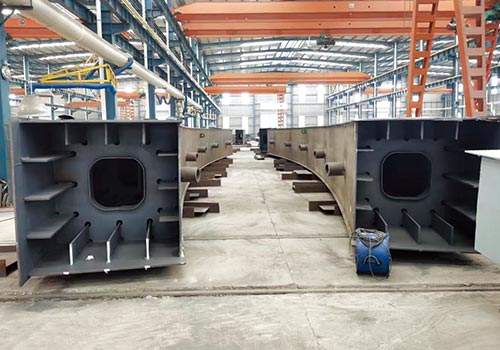
A steel structure bridge is a type of bridge that uses steel as its primary material for the main supporting structure. Unlike concrete bridges, which primarily rely on concrete, steel bridges use a combination of steel beams, cables, and trusses to provide stability and strength. These bridges are designed to withstand heavy loads, harsh weather conditions, and long-term usage with minimal maintenance.
Why Steel is the Preferred Material for Bridge Construction
Steel is favored for bridge construction due to its superior strength-to-weight ratio. It allows for longer spans and greater flexibility in design. Steel also offers faster construction times, as it can be prefabricated offsite and assembled quickly on location, reducing construction delays. Additionally, steel bridges are more resilient to seismic activity and extreme weather conditions compared to other materials like concrete or timber.
How Steel Structure Bridges Differ from Concrete Bridges
While both steel and concrete are commonly used for bridge construction, the key differences lie in their material properties. Steel bridges are more durable and can withstand higher traffic loads and environmental stresses over time. Concrete bridges, while cost-effective in certain applications, are more prone to cracking and require more extensive maintenance over their lifespans. Steel bridges, with proper maintenance, can last 50-100 years without significant repairs.
The Types of Steel Used in Bridge Construction
Common Steel Grades for Bridge Building
There are various grades of steel used in bridge construction, depending on the specific requirements of the project. Common steel types include:
- Carbon Steel: The most commonly used steel for bridges, known for its affordability and versatility.
- High-Strength Low-Alloy Steel (HSLA): This steel offers increased strength and resistance to corrosion, making it ideal for large-span bridges.
- Stainless Steel: While more expensive, stainless steel is used in coastal areas and other environments where corrosion resistance is crucial.
- Alloy Steel: Used for bridges that require exceptional strength and high resistance to wear.
Why Carbon Steel is the Most Used Material for Steel Bridges
Carbon steel is the most widely used material for steel structure bridges due to its cost-effectiveness and excellent strength properties. It is suitable for most bridge applications, including highway and railway bridges, and can be easily welded, fabricated, and treated to meet various environmental and load-bearing conditions.
The Role of Stainless Steel in Bridge Construction
Stainless steel is used primarily in environments prone to high corrosion, such as coastal or marine locations. It offers superior resistance to rust and corrosion, ensuring the longevity of the bridge even in challenging conditions. However, it is more expensive than carbon steel, which is why it’s used in specific, high-value projects.
The Benefits of Steel Structure Bridges

Durability and Longevity of Steel Bridges
Steel structure bridges are known for their durability and longevity. With proper maintenance, steel bridges can last between 50 and 100 years. Modern steel treatments, such as galvanizing and protective coatings, ensure that bridges are resistant to corrosion, even in harsh climates.
Cost-Effectiveness and Maintenance Savings
While the initial construction cost of steel bridges can be higher than that of concrete bridges, they are more cost-effective in the long run. Steel bridges require less maintenance and repair, and their long lifespan reduces the overall lifecycle costs. Additionally, because steel is highly recyclable, steel bridges contribute to sustainability efforts and reduce material waste.
Environmental Benefits of Steel Structure Bridges
Steel is a highly recyclable material, which makes steel bridges environmentally friendly. At the end of their lifecycle, steel bridges can be dismantled and reused, reducing waste and promoting sustainability. Furthermore, the high strength-to-weight ratio of steel reduces the amount of material needed, contributing to a more efficient use of resources.
Aesthetic Flexibility and Modern Design Possibilities
Steel allows for greater design flexibility. Engineers and architects can create intricate and innovative designs that would be difficult or impossible with other materials. Steel bridges can be built with large spans, sleek profiles, and unique shapes, making them not only functional but visually striking.
Key Considerations When Designing a Steel Structure Bridge
Factors Affecting Steel Bridge Design
The design of a steel structure bridge is influenced by several factors:
- Load capacity: Bridges must be designed to handle the weight of vehicles, pedestrians, and other loads that will pass over them.
- Environmental conditions: Factors like temperature extremes, wind speeds, and humidity can affect the materials used and the structural design.
- Corrosion resistance: Bridges in coastal or industrial areas must use materials and coatings that protect against rust and corrosion.
- Safety standards: All bridge designs must meet rigorous safety codes and standards to ensure long-term stability.
The Importance of Structural Analysis and Engineering Calculations
Steel bridge design requires precise structural analysis to ensure the bridge can withstand the forces it will encounter. Engineers use advanced software tools to simulate various load conditions, stress factors, and environmental influences on the bridge. This analysis is critical for ensuring the safety and reliability of the structure.
The Role of Bridge Design Software in Steel Structure Bridges
Modern bridge design software allows for the efficient modeling and analysis of steel structures. These tools help engineers optimize materials, reduce costs, and improve safety by predicting how a bridge will behave under different conditions.
How to Build a Steel Structure Bridge
The Steel Bridge Construction Process
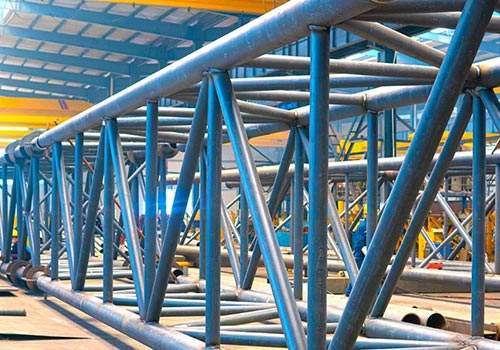
The construction of a steel structure bridge typically follows these steps:
- Design approval: Engineers create detailed plans and obtain regulatory approvals.
- Material sourcing: High-quality steel is sourced from certified suppliers.
- Fabrication and assembly: Steel components are prefabricated in a factory, allowing for quicker assembly on-site.
- Installation and completion: The steel components are transported to the bridge site, where they are assembled and installed.
Common Construction Methods for Steel Bridges
Steel bridges can be constructed using several methods, including:
- Beam Bridges: These are the simplest form of steel bridge, with horizontal beams supported by piers.
- Arch Bridges: Arch-shaped steel bridges offer excellent load distribution and are ideal for long spans.
- Suspension Bridges: Used for very long spans, these bridges use cables suspended between towers to support the bridge deck.
Challenges in Steel Bridge Construction and How to Overcome Them
Challenges in steel bridge construction include transportation of large steel components, difficult site conditions, and the need for precise assembly. These challenges can be overcome with careful planning, advanced construction techniques, and the use of modern equipment such as cranes and transport vehicles.
The Cost of Building a Steel Structure Bridge
Factors That Influence the Cost of Steel Bridges
The cost of building a steel structure bridge depends on several factors:
- Material quality: Higher-grade steel and specialized alloys increase costs.
- Labor costs: Skilled labor is required for the fabrication and installation of steel components.
- Design complexity: Intricate or innovative designs can increase both material and labor costs.
- Location: Bridges in remote or difficult locations may incur additional costs for transportation and installation.
How to Estimate the Price of a Steel Bridge Project
The price of a steel bridge project can be estimated based on the size of the bridge, the materials used, and the complexity of the design. Typically, cost estimations are provided by specialized engineering firms or bridge construction contractors.
Steel vs. Concrete: Which is More Cost-Effective?
While the initial cost of a steel structure bridge may be higher than a concrete bridge, the long-term maintenance costs are lower. Steel bridges generally require less frequent repairs and are less susceptible to the wear and tear caused by environmental factors like moisture or freeze-thaw cycles.
The Lifespan and Maintenance of Steel Structure Bridges
How Long Do Steel Structure Bridges Last?
With proper maintenance, steel structure bridges can last between 50 and 100 years. Steel’s durability is enhanced by corrosion-resistant coatings and regular inspections that prevent major issues from developing.
Common Maintenance Tasks for Steel Bridges
Common maintenance tasks include inspecting for signs of corrosion, repairing welds and joints, cleaning and recoating surfaces to prevent rust, and checking structural integrity through regular load testing.
Cost of Maintaining a Steel Structure Bridge Over Time
The long lifespan of steel structure bridges often results in lower long-term maintenance costs compared to concrete bridges. While initial maintenance may be higher, the frequency and cost of repairs significantly decrease over the years.
Steel Structure Bridges and Safety
How Steel Bridges Ensure Safety in Heavy Traffic Conditions
Steel structure bridges are designed to handle heavy loads and high traffic volumes. Their strength and flexibility allow them to absorb stress and distribute loads evenly across the structure.
The Role of Steel in Bridge Stability and Load-Bearing Capacity
Steel’s high strength-to-weight ratio allows steel bridges to be both lightweight and incredibly strong, providing the necessary support for heavy vehicles, trains, and even pedestrian traffic.
Safety Measures During Steel Bridge Construction
During construction, steel bridge builders follow strict safety protocols to ensure worker safety, including the use of personal protective equipment (PPE), proper scaffolding, and safety netting.
The Future of Steel Structure Bridges

How Innovations in Steel Manufacturing are Changing Bridge Design
Advancements in steel production, such as the development of high-strength, lightweight alloys, are making bridges stronger and more durable while reducing material costs.
The Role of Sustainability in Steel Bridge Construction
As the construction industry focuses on sustainability, steel structure bridges provide an eco-friendly solution with their recyclability and long lifespan.
Smart Bridges: Integrating Technology into Steel Structure Bridges
The future of steel structure bridges includes the integration of smart technology, such as sensors and monitoring systems that track the health of the bridge in real-time, ensuring timely maintenance and enhancing safety.
Conclusion
Steel structure bridges have proven to be a durable, cost-effective, and environmentally friendly choice for infrastructure development. With their ability to withstand heavy loads, extreme weather, and the passage of time, these bridges will continue to play a crucial role in global infrastructure projects. Whether you’re involved in the design, construction, or maintenance of steel bridges, understanding the benefits and considerations of using steel as a primary material will help ensure the long-term success of your projects.
FAQ
What is a steel structure bridge?
A steel structure bridge is a bridge that uses steel as the primary material for its main support framework. Steel provides strength, flexibility, and durability, making it an ideal choice for various bridge types, including highway, railway, and pedestrian bridges.
Why is steel preferred over other materials for bridge construction?
Steel is preferred due to its high strength-to-weight ratio, allowing for longer spans and more flexible designs. It is also more durable, especially in harsh weather conditions, and requires less maintenance over time compared to concrete bridges.
How long do steel structure bridges last?
Steel structure bridges can last between 50 to 100 years, depending on factors such as maintenance, environmental conditions, and design. With proper care, they can be a long-term solution for transportation infrastructure.
What are the advantages of using steel in bridge construction?
Steel bridges offer benefits such as faster construction times, reduced maintenance costs, environmental sustainability due to the recyclability of steel, and flexibility in design, allowing for more creative and aesthetically pleasing structures.
What is the typical cost of building a steel structure bridge?
The cost of building a steel structure bridge depends on factors like the size, location, materials used, and design complexity. While the initial cost may be higher than concrete bridges, steel bridges often provide long-term cost savings due to their durability and lower maintenance needs.
Ready to Build a Durable and Cost-Effective Steel Structure Bridge?
Whether you’re planning a large-scale infrastructure project or looking to upgrade existing bridges, steel structure bridges offer unmatched strength, longevity, and design flexibility. If you’re interested in learning more or need expert guidance on your next bridge project, contact us today! Our team of professionals is here to help you design, build, and maintain the perfect steel structure bridge for your needs.
Get in touch now and start your project with confidence!