Welcome to My Blog!
Before we dive into the content, I’d love for you to join me on my social media platforms where I share more insights, engage with the community, and post updates. Here’s how you can connect with me:
Facebook:https://www.facebook.com/profile.php?id=61565337355573
Now, let’s get started on our journey together. I hope you find the content here insightful, engaging, and valuable.
Table of Contents
Introduction
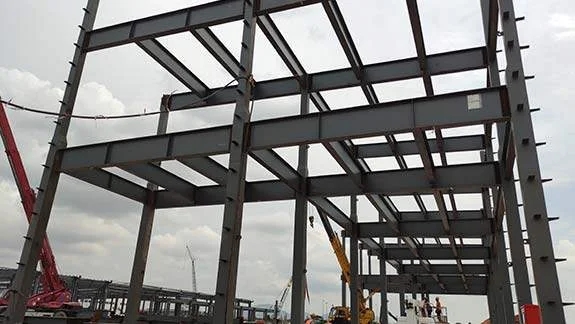
Steel roof trusses have revolutionized modern construction, offering superior strength, durability, and cost efficiency compared to traditional wooden or concrete trusses. Used in various applications, from residential homes to large industrial buildings, steel roof trusses provide excellent load-bearing capacity and resistance to environmental factors such as moisture, fire, and pests.
As the construction industry continues to seek more reliable and long-lasting building materials, steel roof trusses have become a preferred choice for architects, engineers, and contractors. Their ability to span large areas without requiring excessive support columns makes them particularly useful in warehouses, commercial buildings, and stadiums.
This article explores the benefits, key applications, structural advantages, and technical aspects of steel roof trusses. Additionally, a comparative table highlights how they perform against other materials, and an FAQ section answers common questions about their use and maintenance.
Benefits of Steel Roof Trusses
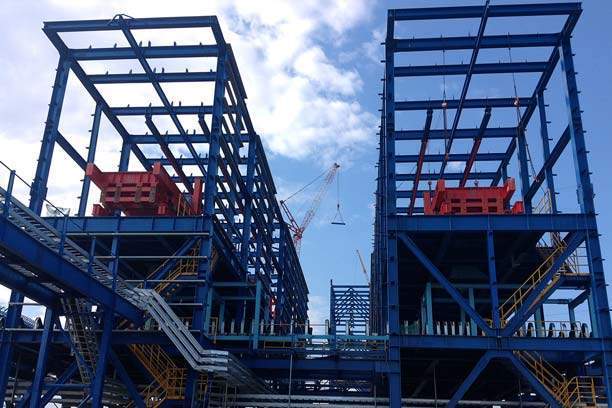

Superior Strength and Load-Bearing Capacity
Steel is inherently stronger than wood or concrete, making steel roof trusses capable of supporting heavy roofing materials and withstanding extreme weather conditions. Their high strength-to-weight ratio allows them to span long distances without requiring additional supports.
- Capable of handling heavy loads, including snow and wind pressure
- Ideal for large-scale structures that require wide-span roofs
- Resistant to bending, warping, and cracking under stress
Durability and Longevity
Steel roof trusses offer unmatched durability, resisting common issues that affect wooden trusses, such as rot, termites, and moisture-related decay. Properly coated steel trusses also resist rust and corrosion, extending their lifespan significantly.
- Long service life with minimal maintenance
- Fire-resistant properties enhance building safety
- No risk of termite infestations or fungal damage
Cost Efficiency and Installation Speed
While the initial cost of steel roof trusses may be higher than wood, they offer significant cost savings over time due to reduced maintenance and faster installation. Prefabricated trusses can be assembled quickly, reducing labor costs and project timelines.
- Faster construction compared to traditional wood framing
- Reduced maintenance costs due to superior durability
- Efficient use of materials minimizes waste
Sustainability and Environmental Benefits
Steel is one of the most sustainable building materials, as it is 100% recyclable and can be repurposed without losing its structural integrity. Using steel roof trusses contributes to eco-friendly construction and reduces environmental impact.
- Fully recyclable, supporting green building practices
- Lower material waste during manufacturing and construction
- Compatible with energy-efficient roofing systems
Versatility in Design and Application
Steel roof trusses offer design flexibility, making them suitable for various architectural styles and construction needs. Whether for commercial buildings, industrial facilities, or residential homes, steel trusses can be tailored to meet specific load and span requirements.
- Suitable for both pitched and flat roof designs
- Can be customized for different structural requirements
- Allows for creative and modern architectural designs
Comparative Analysis of Steel Roof Trusses


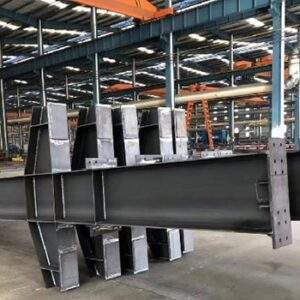
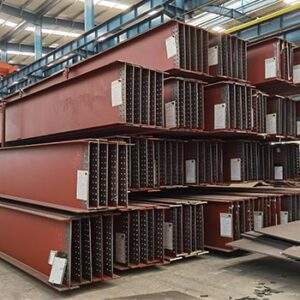
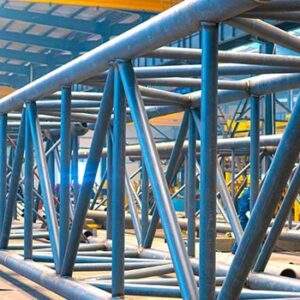
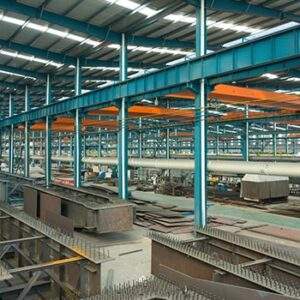
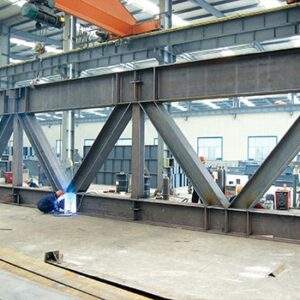
| Feature | Steel Roof Trusses | Wooden Roof Trusses | Concrete Roof Trusses |
|---|---|---|---|
| Strength | High load-bearing capacity, ideal for large spans | Moderate strength, requires additional support | High compressive strength but heavy |
| Durability | Resistant to rust, pests, and fire | Prone to termites, rot, and moisture damage | Long-lasting but susceptible to cracks |
| Maintenance | Low maintenance, long service life | Requires frequent inspections and treatments | Requires reinforcement over time |
| Installation Speed | Prefabricated, easy to install | Requires on-site assembly | Longer curing and setting times |
| Cost Efficiency | Higher initial cost but lower maintenance expenses | Lower initial cost but high maintenance | High initial cost and maintenance |
| Sustainability | 100% recyclable, eco-friendly | Limited recyclability, leads to deforestation | Non-recyclable, high energy consumption in production |
| Design Flexibility | Suitable for various applications | Limited to specific designs | Heavy and difficult to modify |
Key Applications of Steel Roof Trusses
Industrial and Commercial Buildings
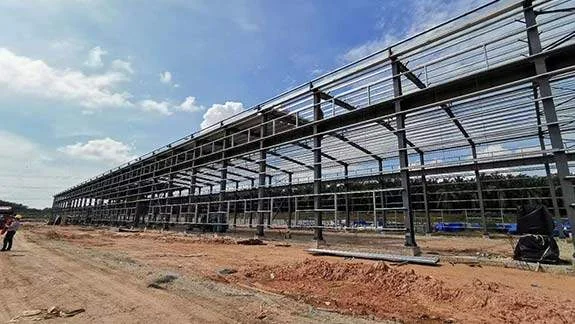
Steel roof trusses are widely used in industrial and commercial construction due to their strength and ability to support large spans without requiring interior support columns. This makes them ideal for warehouses, factories, shopping malls, and office complexes.
- Provide open interior spaces for operational efficiency
- Support heavy roofing materials such as solar panels or HVAC systems
- Enhance structural stability in large-scale buildings
Residential Homes and Housing Developments
More homeowners and developers are choosing steel roof trusses for their durability and low maintenance requirements. Steel provides long-term structural integrity, making homes safer and more resistant to environmental factors.
- Fire-resistant and termite-proof solution for home construction
- Compatible with energy-efficient roofing materials
- Supports both modern and traditional home designs
Agricultural and Storage Facilities
Steel roof trusses are commonly used in agricultural buildings, such as barns, storage sheds, and greenhouses. Their ability to withstand harsh weather conditions and support wide spans makes them ideal for farm structures.
- Protects crops and equipment from environmental damage
- Provides a cost-effective solution for large storage spaces
- Reduces the need for frequent structural repairs
Sports Facilities and Public Infrastructure
Many stadiums, gymnasiums, and public buildings utilize steel roof trusses due to their ability to create large, open spaces with minimal support columns. Their strength and aesthetic flexibility make them an excellent choice for modern sports arenas and civic structures.
- Allows for expansive, unobstructed interiors
- Enhances safety and stability for public-use buildings
- Offers design freedom for architectural creativity
Conclusion
Steel roof trusses have transformed the construction industry by providing a reliable, durable, and cost-effective roofing solution. Their superior strength, fire resistance, sustainability, and low maintenance make them an ideal choice for various applications, from residential homes to large industrial and commercial buildings.
As a leading enterprise in the industry, Guanglei Steel Structure is committed to producing high-quality steel structure products to meet various construction needs and help customers realize their ideal projects. We welcome you to contact us to obtain the best steel structure solution.
FAQ
Are steel roof trusses better than wooden trusses?
Steel roof trusses provide greater strength, durability, and resistance to fire and pests compared to wooden trusses. While wooden trusses are cheaper initially, steel trusses offer long-term cost savings due to minimal maintenance.
How long do steel roof trusses last?
With proper installation and maintenance, steel roof trusses can last 50 years or more. They are resistant to rust, corrosion, and environmental wear when treated with protective coatings.
Can steel roof trusses be used for residential homes?
Yes, steel roof trusses are increasingly used in residential construction due to their fire resistance, durability, and compatibility with energy-efficient roofing materials.
Do steel roof trusses require maintenance?
Steel roof trusses require minimal maintenance. Periodic inspections and protective coatings can further extend their lifespan, ensuring long-term structural stability.