Welcome to My Blog!
Before we dive into the content, I’d love for you to join me on my social media platforms where I share more insights, engage with the community, and post updates. Here’s how you can connect with me:
Facebook:https://www.facebook.com/profile.php?id=61565337355573
Now, let’s get started on our journey together. I hope you find the content here insightful, engaging, and valuable.
Table of Contents
Introduction
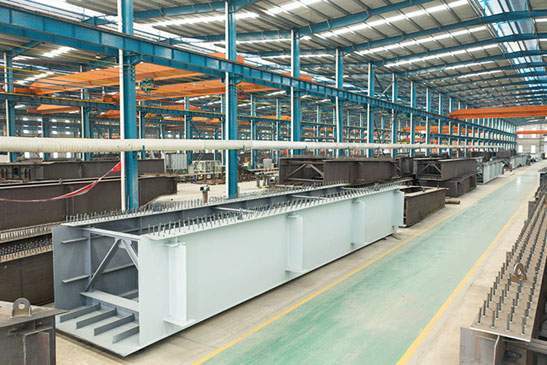
Steel cross bracing design is a critical component in modern construction, offering structural stability, load distribution, and enhanced resistance to lateral forces. As buildings and infrastructure projects continue to grow in complexity and scale, engineers and architects rely on steel cross bracing design to ensure the longevity and safety of structures.
From high-rise buildings to industrial facilities and bridges, steel cross bracing design plays a pivotal role in withstanding dynamic forces such as wind, earthquakes, and heavy loads. This article explores the key applications, benefits, and design considerations of steel cross bracing, providing valuable insights for construction professionals and investors.
Key Features of Steel Cross Bracing Design
Structural Stability and Load Distribution
Steel cross bracing design enhances the overall stability of a structure by effectively distributing loads across multiple points. This reduces stress on individual components, minimizing the risk of structural failure.
Resistance to Lateral Forces
One of the primary advantages of steel cross bracing design is its ability to resist lateral forces caused by wind, earthquakes, and dynamic loads. By forming a diagonal support system, steel cross bracing counteracts horizontal movements, keeping structures intact even under extreme conditions.
Cost-Effective Reinforcement
Compared to other reinforcement methods, steel cross bracing offers a cost-effective solution by using minimal materials while maximizing structural integrity. It allows for lightweight yet durable construction, reducing overall material and labor costs.
Adaptability in Various Construction Projects
Steel cross bracing design is highly adaptable and can be used in different construction types, including commercial buildings, industrial plants, bridges, and residential high-rises. Its versatility makes it a preferred choice for engineers across multiple sectors.
Applications of Steel Cross Bracing Design in Construction

Steel cross bracing design is widely used in various types of construction projects to improve safety and durability. Some of the most common applications include:
High-Rise Buildings
Skyscrapers and tall commercial buildings require steel cross bracing design to withstand wind loads and prevent excessive sway. The use of cross bracing helps maintain the integrity of the structure, ensuring safety for occupants.
Industrial Facilities
Factories, warehouses, and manufacturing plants often incorporate steel cross bracing to reinforce large open spaces. This prevents structural deformation due to heavy equipment, vibrations, and material loads.
Bridges and Overpasses
Bridges and overpasses must endure significant lateral and vertical forces. Steel cross bracing design strengthens these structures, ensuring their ability to handle traffic loads, seismic activity, and environmental stressors.
Seismic-Resistant Structures
In earthquake-prone regions, steel cross bracing design is crucial for seismic-resistant buildings. The diagonal bracing system dissipates energy from ground movement, reducing damage and increasing the resilience of the structure.
Residential and Commercial Construction
Modern residential and commercial buildings integrate steel cross bracing design in their frameworks to enhance stability and ensure compliance with safety regulations. It is particularly useful in open-concept designs where fewer load-bearing walls are present.
Comparison of Steel Cross Bracing with Other Bracing Systems
To understand the advantages of steel cross bracing design, it is essential to compare it with other common bracing systems used in construction.
| Bracing System | Structural Stability | Cost Efficiency | Resistance to Lateral Forces | Common Applications |
|---|---|---|---|---|
| Steel Cross Bracing | High | Cost-effective | Excellent | High-rises, bridges, industrial facilities |
| Shear Walls | High | Expensive | Good | Earthquake-prone buildings, commercial towers |
| Moment Frames | Moderate | Expensive | Moderate | Flexible architectural designs, office buildings |
| Diagonal Bracing | Moderate to High | Cost-effective | Good | Mid-rise buildings, temporary structures |
| K-Bracing | Moderate | Moderate | Moderate | Warehouses, low-rise buildings |
Key Considerations When Implementing Steel Cross Bracing Design
Load Analysis and Structural Requirements
Before incorporating steel cross bracing design, engineers must analyze the load distribution, building height, and lateral force impact. A thorough structural assessment ensures optimal performance.
Material Selection and Durability
The choice of steel grade and coating plays a significant role in the longevity of steel cross bracing. Corrosion-resistant coatings and high-strength steel enhance durability, especially in harsh environments.
Integration with Architectural Design
While steel cross bracing improves structural integrity, it must be integrated with the architectural layout to ensure aesthetic appeal and functional efficiency. Some designs feature exposed bracing as a visual element.
Compliance with Building Codes
Each region has specific building codes that dictate the use of steel cross bracing design. Compliance with safety regulations and engineering standards is essential for project approval and long-term reliability.
Advantages of Steel Cross Bracing Design Over Other Reinforcement Methods


Steel cross bracing design offers multiple advantages over traditional reinforcement methods, making it a preferred choice for structural engineers and architects.
Cost Efficiency
By utilizing steel cross bracing, construction projects can reduce material and labor costs while achieving superior reinforcement. It requires less material compared to solid walls or additional framework.
Quick Installation
Steel cross bracing is relatively easy to install compared to shear walls or moment frames. This reduces construction time and minimizes labor expenses.
Lightweight Yet Strong
Unlike bulky concrete reinforcements, steel cross bracing provides high-strength support without adding excessive weight to the structure. This allows for better load management and reduces foundation stress.
Seismic and Wind Resistance
In areas prone to earthquakes and strong winds, steel cross bracing enhances a building’s ability to withstand environmental forces, reducing damage and maintenance costs over time.
Conclusion
Steel cross bracing design is an essential structural component in modern construction, offering superior stability, cost-effectiveness, and resistance to lateral forces. Its applications span across high-rise buildings, industrial structures, bridges, and earthquake-resistant buildings, making it a versatile and valuable reinforcement method.
By integrating steel cross bracing into construction projects, engineers can enhance structural resilience while maintaining cost efficiency. Whether for commercial, industrial, or residential use, steel cross bracing provides an optimal balance of strength and flexibility, ensuring long-term safety and durability.
FAQ
What is steel cross bracing design?
Steel cross bracing design is a reinforcement technique that uses diagonal steel members to improve structural stability and resist lateral forces such as wind and earthquakes.
How does steel cross bracing improve structural integrity?
It distributes lateral forces across the structure, reducing stress on load-bearing walls and preventing excessive movement or deformation.
Where is steel cross bracing most commonly used?
It is widely used in high-rise buildings, industrial plants, bridges, and seismic-resistant structures.
Is steel cross bracing cost-effective?
Yes, it is a cost-effective reinforcement method as it requires less material and labor compared to shear walls or moment frames.
Can steel cross bracing be combined with other reinforcement methods?
Yes, it can be integrated with shear walls, moment frames, and other structural reinforcements for enhanced stability and load management.
Does steel cross bracing affect the architectural design of a building?
While it may be visible in some designs, many architects integrate it seamlessly or use it as an aesthetic element in modern structures.