Welcome to My Blog!
Before we dive into the content, I’d love for you to join me on my social media platforms where I share more insights, engage with the community, and post updates. Here’s how you can connect with me:
Facebook:https://www.facebook.com/profile.php?id=61565337355573
Now, let’s get started on our journey together. I hope you find the content here insightful, engaging, and valuable.
Table of Contents
Introduction
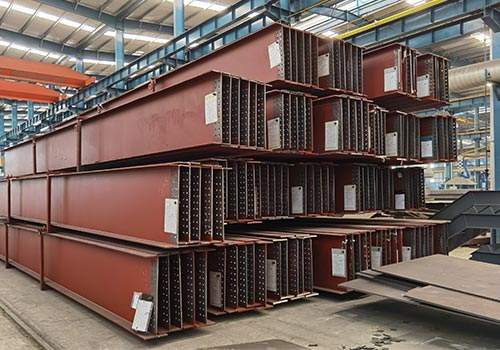
In the dynamic world of construction, the demand for efficient, durable, and cost-effective solutions is ever-present. Steel components have emerged as a cornerstone of modern building practices, offering a blend of strength, versatility, and economic advantages. This guide delves into the various facets of steel components, exploring their applications, benefits, and the strategies that contribute to their cost-effectiveness. Whether you are an architect, engineer, or construction professional, understanding the nuances of steel component utilization is crucial for project success. Steel components bring a lot of value to all building projects.
Understanding the Versatility of Steel Components
Steel structure components are incredibly versatile, finding applications across a wide spectrum of construction projects. From the skeletal framework of high-rise buildings to intricate support structures in industrial facilities, steel’s adaptability is unmatched. The ability to fabricate steel into various shapes and sizes allows for customized solutions that meet specific project requirements. Furthermore, steel’s inherent strength-to-weight ratio enables the creation of lightweight yet robust structures, reducing the overall material consumption and foundation costs. Steel component usage is not limited to large scale projects, and is also very useful for smaller projects.
Maximizing Cost Efficiency in Steel Component Procurement

One of the key factors influencing the cost-effectiveness of steel structure components is the procurement process. Strategic sourcing, bulk purchasing, and long-term supplier relationships can significantly reduce material costs. Additionally, exploring alternative steel grades and finishes based on project specifications can lead to further savings without compromising structural integrity. It is important to compare costs of different steel component suppliers.
The Role of Design in Optimizing Steel Component Utilization
Efficient design plays a pivotal role in minimizing material waste and maximizing the structural performance of steel structure components. By employing advanced design software and techniques, engineers can optimize the layout and dimensions of steel structures, ensuring that every component serves its intended purpose. This not only reduces material costs but also minimizes fabrication and installation expenses. Good design reduces steel component costs.
Fabrication Techniques for Cost Reduction
Innovative fabrication techniques, such as prefabrication and modular construction, offer significant cost savings by streamlining the manufacturing process. By fabricating steel structure components off-site in controlled environments, construction teams can minimize on-site labor costs, reduce construction timelines, and enhance quality control. This approach also allows for better material utilization and reduces waste. Steel component fabrication should be considered carefully.
Installation and Assembly Strategies for Steel Components
Efficient installation and assembly strategies are crucial for minimizing labor costs and project timelines. Prefabricated steel structure components can be rapidly assembled on-site, reducing the need for extensive on-site welding and fabrication. The use of standardized connection details and modular construction techniques further streamlines the installation process, leading to significant cost savings. Steel component installation can be done quickly and cheaply.
Maintenance and Longevity: Long-Term Cost Savings
The durability and longevity of steel components contribute to their long-term cost-effectiveness. Steel’s resistance to corrosion, fire, and pests minimizes maintenance requirements and extends the lifespan of structures. Furthermore, steel’s recyclability allows for the recovery of materials at the end of a building’s life cycle, contributing to sustainable construction practices and reducing waste disposal costs.
Here is a table showing the different steel structure component types, and their strengths, and weaknesses.
| Steel Component Type | Strengths | Weaknesses |
|---|---|---|
| Structural Steel Beams | High strength-to-weight ratio, versatile, easy to fabricate, readily available | Susceptible to corrosion if not properly treated, may require fireproofing in certain applications |
| Steel Columns | Excellent compressive strength, supports heavy loads, allows for large open spaces | Can be bulky and require careful detailing, may require fireproofing in certain applications |
| Steel Trusses | Spans large distances, efficient load distribution, lightweight construction | Requires specialized fabrication, may be more expensive than other options for shorter spans |
| Steel Decking | Provides a stable and durable floor or roof surface, easy to install, fire-resistant | Can be noisy underfoot if not properly insulated, may require additional finishes for aesthetic purposes |
| Steel Rebar | Enhances the tensile strength of concrete, improves structural integrity, widely used in reinforced concrete structures | Can corrode if exposed to moisture, requires careful placement and detailing |
| Steel Plates | Versatile for various applications, provides a strong and durable surface, can be used for structural and non-structural purposes | Can be heavy and require specialized handling, may require additional finishes for aesthetic purposes |
| Steel Angles | Used for connecting and bracing steel structures, provides a strong and rigid connection, readily available in various sizes | May require additional fabrication for complex connections, can be susceptible to corrosion if not properly treated |
| Steel Channels | Used for framing and support applications, provides a strong and rigid frame, readily available in various sizes | May require additional fabrication for complex frames, can be susceptible to corrosion if not properly treated |
Sustainable Practices and Steel Components
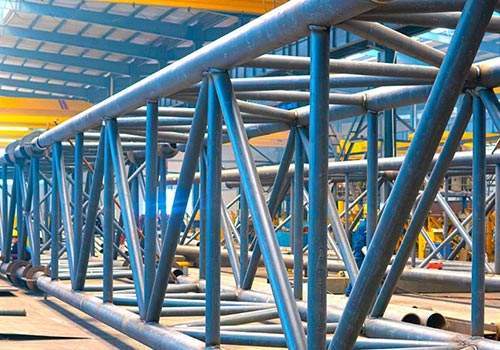
The environmental benefits of steel structure components are increasingly recognized as a crucial aspect of cost-effectiveness. Steel is one of the most recycled materials in the world, reducing the demand for virgin resources and minimizing waste. Sustainable steel production and construction practices further enhance the environmental credentials of steel structure components, contributing to a greener and more cost-effective built environment.
Conclusion
Steel components stand as a testament to the advancements in construction technology, offering a blend of strength, efficiency, and cost-effectiveness. By embracing strategic procurement, innovative design, and sustainable practices, construction professionals can unlock the full potential of steel components, creating structures that are not only robust and durable but also economically viable. Considering the benefits of steel components will make any project more successful. Contact us today, and let us make your next project a success.
FAQ
Q: What are the primary advantages of using steel structure components in construction?
A: Steel structure components offer a combination of strength, durability, versatility, and cost-effectiveness. Their high strength-to-weight ratio allows for lightweight yet robust structures, reducing material consumption and foundation costs. Steel is also highly recyclable, contributing to sustainable construction practices.
Q: How can I ensure the cost-effectiveness of steel component procurement?
A: Strategic sourcing, bulk purchasing, and long-term supplier relationships can significantly reduce material costs. Exploring alternative steel grades and finishes based on project specifications can also lead to further savings.
Q: What role does design play in optimizing steel component utilization?
A: Efficient design minimizes material waste and maximizes structural performance. Advanced design software and techniques enable engineers to optimize the layout and dimensions of steel structures, ensuring that every component serves its intended purpose.