Designing a steel structure and unsure about column sizing?
Our engineers help you select the optimal dimensions based on load requirements, building codes, and project specifications. We deliver precision-fabricated columns to exact tolerances.
Get a free consultation → [Contact Us]
Table of Contents
Introduction

Steel columns are essential structural elements in buildings and infrastructure. Their dimensions, which include cross-sectional area, length, and shape, significantly influence the overall strength and stability of a structure. Understanding steel column dimensions is crucial for engineers, architects, and construction professionals involved in steel structure design and construction. This comprehensive guide will delve into the factors affecting steel column dimensions, the various shapes and profiles available, and the importance of accurate calculations for optimal structural performance.
Factors Affecting Steel Column Dimensions
Several factors influence the dimensions of steel columns, including:
- Load-bearing capacity: The column must be able to support the loads imposed on it, such as dead loads from the structure itself and live loads from occupants and equipment.
- Span length: The distance between supports affects the required column size. Longer spans generally require larger columns.
- Material properties: The grade of steel used, its yield strength, and modulus of elasticity will influence the required column dimensions.
- Boundary conditions: The way the column is supported at its ends (fixed, pinned, or roller) affects its effective length and required section modulus.
- Architectural and aesthetic considerations: In some cases, architectural or aesthetic requirements may influence the choice of column dimensions.
Common Steel Column Shapes and Profiles


Steel columns come in a variety of shapes and profiles, each with its own advantages and applications:
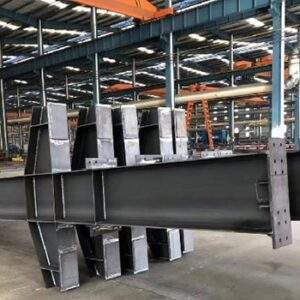
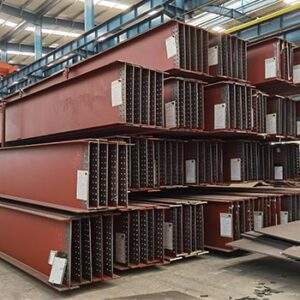
- Wide flange (W-shape): These are the most common type of steel column, with a wide flange on either side of the web. They offer excellent strength and stiffness.
- H-shape: Similar to W-shapes, but with equal flanges.
- C-shape: C-shaped columns are often used for lighter loads and shorter spans.
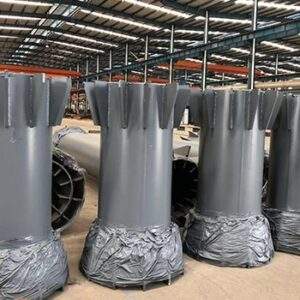
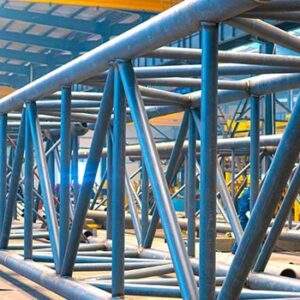
- Rectangular and square hollow sections: These sections offer high torsional stiffness and are commonly used for columns in industrial buildings.
- Round columns: Round columns are often used for aesthetic reasons or in applications requiring high resistance to buckling.
Design Considerations for Steel Columns


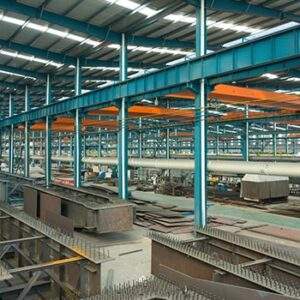
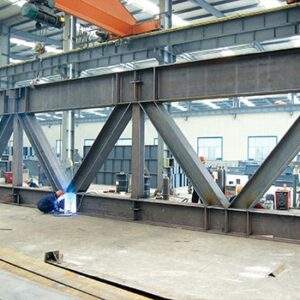
When designing steel columns, engineers must consider the following factors:
- Buckling: Columns are susceptible to buckling under compressive loads. The slenderness ratio, which is the ratio of the effective length to the radius of gyration, is a key parameter in determining the critical buckling load.
- Local buckling: This occurs when the individual elements of a column section buckle, such as the flanges or web.
- Combined bending and axial loads: Columns often carry both bending and axial loads, which must be considered in the design.
- Connections: The design of connections between columns and other structural elements is crucial for ensuring the overall stability of the structure.
Table: Comparison of Common Steel Column Shapes

| Shape | Advantages | Disadvantages | Typical Applications |
|---|---|---|---|
| W-shape | High strength, stiffness, and moment capacity | Relatively heavy | General structural use, high-rise buildings |
| H-shape | Similar to W-shape but with equal flanges | Can be more expensive | Industrial buildings, bridges |
| C-shape | Lighter weight, good for shorter spans | Lower moment capacity compared to W-shapes | Lighter-duty structures, enclosures |
| Rectangular and square hollow sections | High torsional stiffness, good for tubular structures | May have lower moment capacity in one direction | Industrial buildings, frameworks |
| Round | Aesthetically pleasing, high resistance to buckling | Limited connection options | Decorative columns, industrial applications |
Conclusion
Steel column dimensions play a critical role in the overall performance of a steel structure. By carefully considering the factors affecting column design and selecting the appropriate shape and size, engineers can ensure the safety and durability of the structure. It is essential to consult with a structural engineer to determine the optimal column dimensions for any specific project.
As a leading enterprise in the industry, Guanglei Steel Structure is committed to producing high-quality steel structure products to meet various construction needs and help customers realize their ideal projects. We welcome you to contact us to obtain the best steel structure solution.
FAQ
What is the difference between a column and a beam?
A column is a vertical structural member that primarily resists compressive loads, while a beam is a horizontal member that primarily resists bending moments.
How is the slenderness ratio calculated?
The slenderness ratio is calculated by dividing the effective length of the column by its radius of gyration.
What factors affect the buckling strength of a steel column?
The buckling strength of a steel column is influenced by its length, cross-sectional shape, material properties, and end conditions.
What is the role of connections in steel column design?
Connections between columns and other structural elements play a crucial role in transferring loads and ensuring the overall stability of the structure.
How do I select the appropriate steel grade for a column?
The choice of steel grade depends on the required strength, ductility, and weldability. Consult with a structural engineer to determine the most suitable grade for your application.