Table of Contents
Introduction
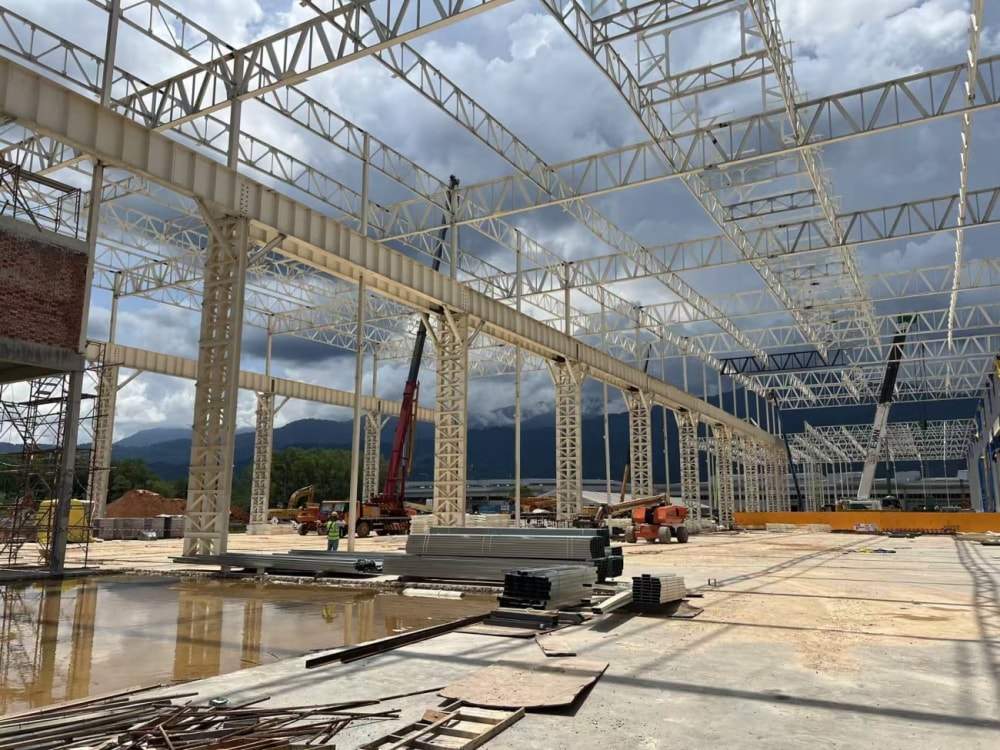
Across Southeast Asia, the construction industry is rapidly shifting toward more efficient and durable building solutions. Among these solutions, steel building structures have become one of the most widely used systems for industrial and commercial development. From manufacturing plants to large-scale logistics hubs, steel structures offer unmatched strength, flexibility, and cost efficiency.
Malaysia, in particular, has seen strong growth in sectors such as manufacturing, e-commerce logistics, food processing, and infrastructure. These industries require buildings that can be constructed quickly while maintaining long-term structural reliability. As a result, prefabricated steel building structures and industrial steel structures have become the preferred choice for developers and project owners.
Unlike traditional concrete construction, steel structure buildings are designed and manufactured with high precision in specialized fabrication facilities. Components such as steel columns, beams, and roof trusses are produced by experienced manufacturers and then assembled on-site. This process significantly reduces construction time and minimizes material waste.
For companies planning warehouses, factories, workshops, or distribution centers in Malaysia, understanding how steel building structures work—and why they are increasingly popular—is essential when choosing the right construction solution.
What Are Steel Building Structure?
Basic Definition and Structural Components
Steel building structure refer to buildings whose primary load-bearing system is composed of structural steel elements. These elements form a rigid frame capable of supporting heavy loads while maintaining stability across large spans.
The main structural components typically include:
- Steel columns – Vertical supports that transfer loads to the foundation
- Steel beams – Horizontal members that distribute structural loads
- Roof trusses – Triangular frameworks that support roofing systems
- Steel purlins and girts – Secondary framing elements used to support wall and roof panels
- Connection systems – High-strength bolts or welding used to join structural members
Together, these components create a strong and stable steel frame building system that can support large industrial spaces without the need for excessive interior columns.
Common Types of Steel Building Structures
There are several types of steel building structure used in modern construction, each designed for different applications:
- Pre-engineered steel buildings (PEB)
These buildings are manufactured using standardized designs that optimize material use and structural efficiency. - Industrial steel warehouse structures
Large-span buildings designed for storage, logistics, and distribution facilities. - Steel frame commercial buildings
Used for office complexes, shopping centers, and exhibition halls. - Modular steel structures
Buildings constructed using prefabricated modules that can be quickly assembled on-site.
Each type offers advantages in terms of scalability, durability, and construction efficiency.
Key Materials Used in Steel Structure Construction
The performance of steel structure buildings depends heavily on the quality of materials used. Common materials include:
- High-strength structural carbon steel
- Galvanized steel for corrosion protection
- High-tensile bolts and welded connections
- Protective coatings for rust and weather resistance
High-quality materials ensure that steel building structures maintain long-term durability even under demanding industrial conditions.
Why Steel Building Structures Are Ideal for Malaysia’s Climate
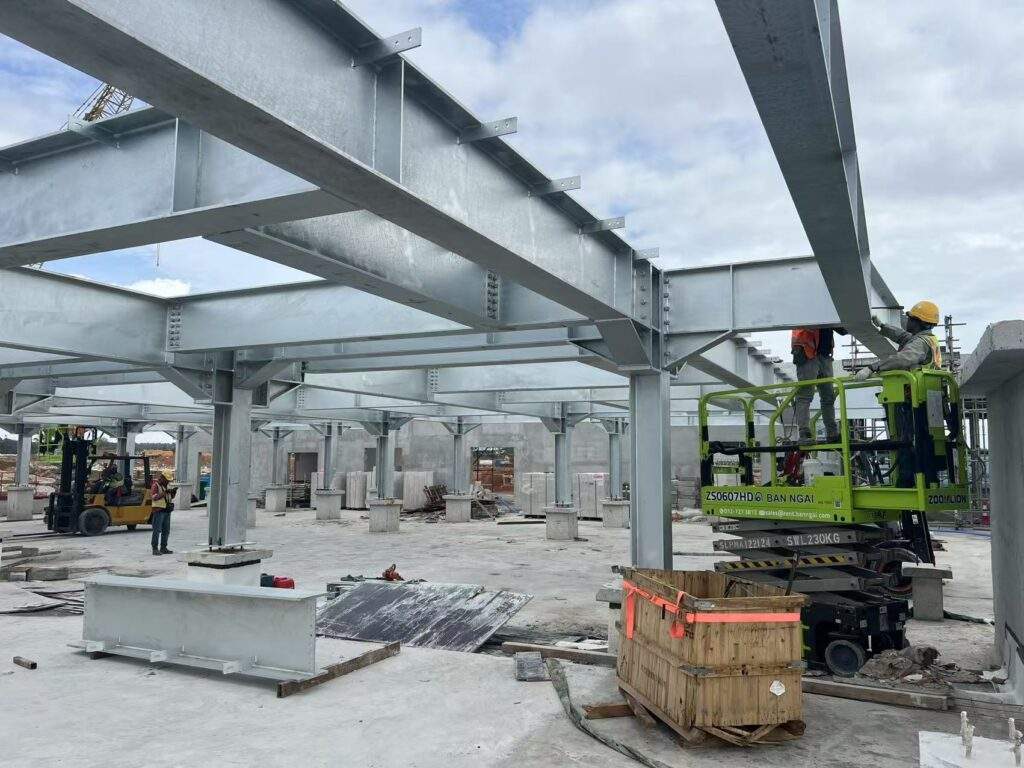
Malaysia’s tropical climate presents unique challenges for construction projects. High humidity, heavy rainfall, and intense sunlight can quickly degrade traditional building materials. However, steel building structures are particularly well suited for these conditions.
Resistance to Tropical Weather Conditions
Modern steel structures can be treated with advanced anti-corrosion coatings and galvanization processes, providing strong resistance against moisture and rust. This makes them ideal for environments with high humidity.
Structural Stability in Extreme Conditions
Malaysia occasionally experiences strong winds and tropical storms. Properly engineered steel frame buildings offer excellent wind resistance due to their structural strength and flexible design.
Adaptability to Industrial Environments
Industrial operations often involve heavy machinery, vibration, and high loads. Industrial steel structures are designed to handle these stresses while maintaining long-term stability.
Because of these advantages, steel building structure in Malaysia are widely used for factories, logistics centers, and manufacturing facilities.
Major Applications of Steel Building Structures
The versatility of steel building structures allows them to be used in a wide range of industries.
Industrial Facilities
Manufacturing plants and production facilities require large open spaces and strong structural support. Steel frame structures provide the necessary load capacity while allowing flexible interior layouts.
Warehouses and Logistics Centers
The rapid expansion of e-commerce has increased demand for large storage facilities. Steel warehouse structures are ideal for logistics operations because they provide:
- Wide column-free spans
- High ceilings for storage systems
- Fast construction timelines
Commercial and Agricultural Buildings
In addition to industrial uses, steel structure buildings are commonly used for:
- Commercial centers
- Agricultural storage buildings
- Equipment maintenance workshops
- Exhibition halls
Their adaptability makes them one of the most practical construction solutions available today.
Key Advantages of Steel Building Structures
Faster Construction Time
One of the biggest advantages of prefabricated steel building structures is the speed of construction. Since most components are fabricated in a factory, installation on-site becomes much faster than traditional construction methods.
Cost Efficiency
Although the initial material cost of steel can vary, the overall project cost is often lower due to:
- Reduced labor requirements
- Shorter construction schedules
- Lower material waste
Structural Strength and Durability
Steel offers exceptional strength compared with other construction materials. Industrial steel structures are capable of supporting heavy equipment, large roof spans, and significant loads.
Steel Building Structures Manufacturing Process
As a manufacturer, producing reliable steel building structures requires a precise and controlled fabrication process.
Structural Design and Engineering
The process begins with structural engineering and design. Engineers use advanced software and structural calculations to determine the required dimensions, load capacity, and safety factors for each building project.
Fabrication of Steel Components
After the design phase, steel components are fabricated using specialized equipment. This process may include:
- CNC steel cutting
- Precision drilling
- Automated welding
- Surface treatment and protective coating
Quality Control and Inspection
Quality control is essential to ensure the structural integrity of steel structure buildings. Components are inspected for:
- Dimensional accuracy
- Weld quality
- Surface protection performance
Strict quality standards ensure that the final structure meets safety and durability requirements.
Steel Building Structures Cost in Malaysia
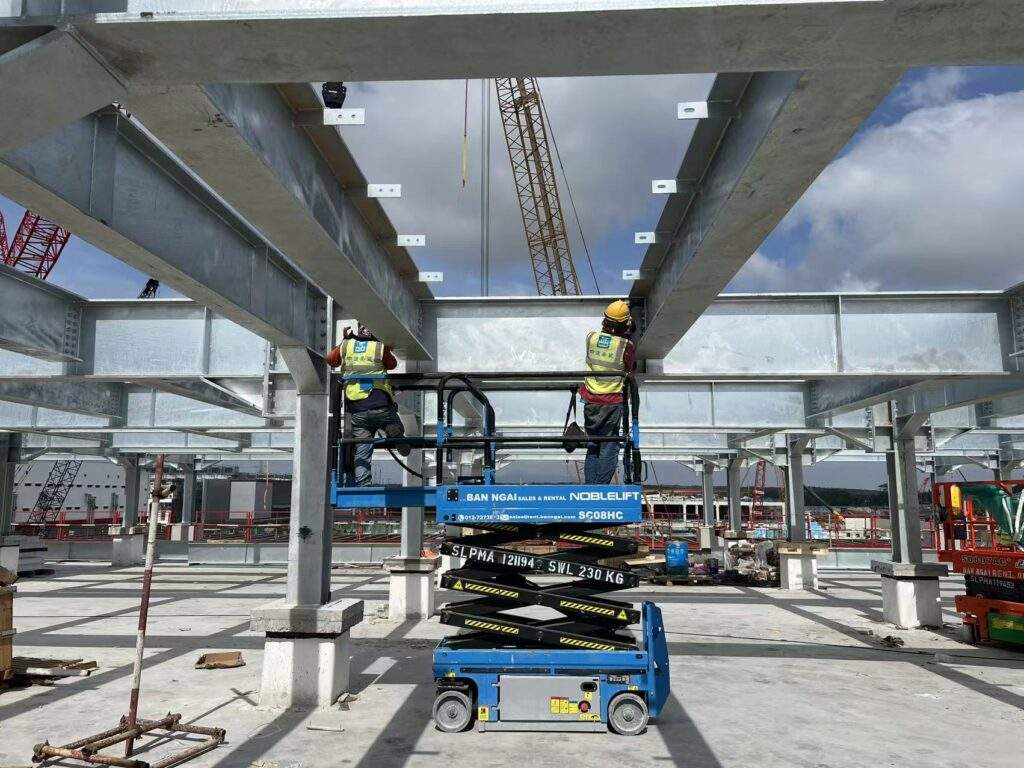
Understanding the cost of steel building structures in Malaysia is an important step when planning industrial projects.
Several factors influence the final price, including building size, structural design, and material specifications.
Factors That Affect Steel Structure Prices
Key cost factors include:
- Building span and total floor area
- Structural load requirements
- Steel material grade
- Design complexity
- Additional features such as insulation or crane systems
Typical Cost Comparison
The table below provides a simplified comparison between steel structures and traditional concrete construction.
| Construction Type | Average Construction Time | Maintenance Cost | Structural Flexibility | Typical Industrial Use |
|---|---|---|---|---|
| Steel Building Structures | Fast (3–6 months) | Low | High | Warehouses, factories |
| Concrete Buildings | Longer (6–12 months) | Moderate | Limited | Residential, offices |
Because of shorter construction time and lower maintenance requirements, steel building structures often provide better long-term value for industrial investors.
Long-Term Cost Advantages
Steel buildings typically require less maintenance and can be expanded easily. Businesses planning future facility expansion often prefer modular steel structures because additional sections can be added without major structural changes.
Choosing the Right Steel Building Structures Manufacturer
Selecting a reliable manufacturer is critical when investing in industrial steel structures.
Experience in Steel Structure Fabrication
Manufacturers with extensive experience in steel building fabrication understand structural engineering requirements and can deliver precise components that simplify installation.
Custom Design Capabilities
Industrial projects often require customized solutions. A capable manufacturer should be able to provide:
- Custom warehouse designs
- Factory building layouts
- Large-span steel structures
Quality Certifications and Standards
Professional manufacturers follow strict quality standards and inspection procedures to ensure that steel structure buildings meet international engineering requirements.
Working with an experienced steel building structures manufacturer ensures that the final building is safe, durable, and efficient.
Future Trends in Steel Building Structures
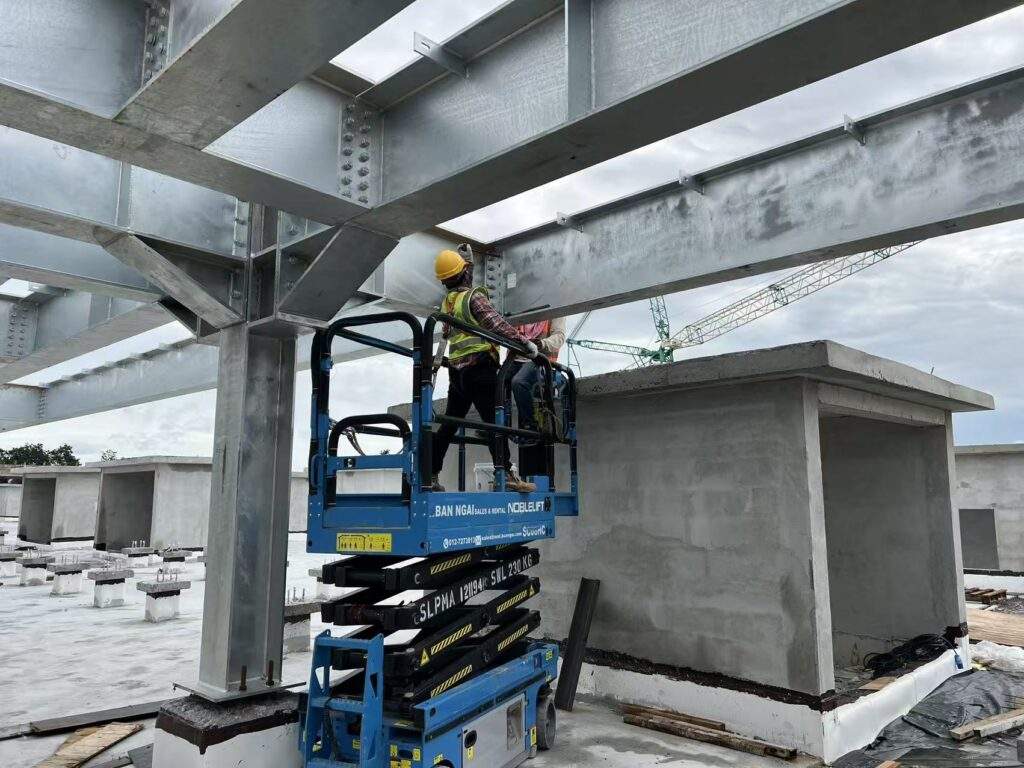
The global construction industry is continuously evolving, and steel building structures are at the forefront of this transformation.
Growth of Prefabricated Construction
Prefabrication technology is rapidly expanding, allowing manufacturers to produce entire structural systems in controlled factory environments. This approach significantly improves construction efficiency.
Sustainable and Eco-Friendly Steel Buildings
Steel is one of the most recyclable construction materials available. Many modern steel structure buildings incorporate sustainable design principles that reduce environmental impact.
Smart Industrial Buildings
As manufacturing and logistics operations become more automated, industrial steel structures are being designed to support advanced equipment, robotics systems, and smart facility technologies.
These trends suggest that steel building structures will continue to play a central role in industrial construction across Malaysia and the broader Southeast Asian region.
Conclusion
Steel building structures have become a key solution for modern industrial and commercial construction. Their strength, flexibility, and efficiency make them particularly suitable for warehouses, factories, logistics facilities, and large-scale industrial buildings.
In Malaysia, the demand for steel building structures, prefabricated steel buildings, and industrial steel structures continues to grow as businesses seek faster and more cost-effective construction solutions. Compared with traditional building methods, steel structures offer shorter construction timelines, lower maintenance costs, and greater design flexibility.
For companies planning new industrial facilities, choosing a reliable steel building structures manufacturer is essential. High-quality materials, precise fabrication, and professional engineering design all contribute to the long-term performance of a steel structure building.
As infrastructure development and industrial expansion continue across Malaysia, steel building structures are expected to remain one of the most efficient and sustainable construction solutions available today.
FAQ
1. What are steel building structures used for?
Steel building structures are widely used for industrial facilities such as warehouses, factories, logistics centers, workshops, and commercial buildings. Their strong steel frame design allows large open spaces and high load capacity, making them ideal for modern industrial construction.
2. Why are steel building structures popular in Malaysia?
Steel building structures are popular in Malaysia because they perform well in tropical climates. With proper anti-corrosion coatings and durable materials, steel structures can resist humidity, heavy rainfall, and high temperatures while maintaining long-term structural stability.
3. How long do steel building structures last?
High-quality steel building structures can last 40–70 years or longer with proper maintenance. Protective coatings, galvanization, and regular inspections help extend the lifespan of industrial steel structures.
4. Are steel building structures cheaper than concrete buildings?
In many industrial projects, steel building structures can be more cost-effective than concrete buildings. Prefabricated steel components reduce construction time, labor costs, and material waste, which helps lower the overall project cost.
5. How do I choose a reliable steel building structures manufacturer?
When selecting a steel building structures manufacturer, consider factors such as manufacturing experience, engineering capabilities, customization options, and quality control standards. A professional manufacturer should be able to provide durable steel structure solutions tailored to industrial or commercial projects.