Welcome to My Blog!
Before we dive into the content, if you’re interested in our products or have any questions, please feel free to visit our Contact Us page on the website. Our team is ready to assist you with inquiries, orders, or any support you may need.
Now, let’s get started on our journey together. I hope you find the content here insightful, engaging, and valuable.
Table of Contents
Steel box columns are essential structural components used in a variety of construction projects, particularly where high load-bearing capacities are required. Whether you’re involved in building skyscrapers, bridges, or industrial structures, understanding the different steel box column sizes and how to choose the right one for your project is crucial. In this comprehensive guide, we’ll explore the different sizes, the factors that influence their selection, and the key design principles you need to know.
What Are Steel Box Columns?

Steel box columns are hollow, rectangular or square structural elements made from steel. They are known for their high strength-to-weight ratio and are commonly used in high-rise buildings, bridges, and other heavy-duty structures. Unlike traditional I-beam or circular columns, the box-shaped design allows for greater load-bearing capacity and enhanced stability.
Steel box columns come in various sizes and thicknesses, depending on the project’s specific requirements. The standard sizes vary, but the general dimensions include widths ranging from 200mm to 1000mm and thicknesses between 6mm and 20mm. The exact size and material properties are usually chosen based on factors like load requirements, building height, and environmental conditions.
Common Uses and Applications of Steel Box Columns
Steel box columns are often chosen for projects requiring high load-bearing capacity and stability. These include:
- High-rise buildings: Used to support the immense weight and dynamic forces of tall structures.
- Bridges and Infrastructure: Ideal for bridges that need to withstand heavy traffic loads and environmental stress.
- Industrial Buildings: Steel box columns are widely used in factories and warehouses where large open spaces are needed.
Steel Box Columns vs Other Structural Columns
Steel box columns offer several advantages over traditional column shapes, such as circular columns or I-beam columns. Their box design enables better resistance to bending and twisting, making them ideal for tall buildings and other large-scale structures. Additionally, steel box columns can be more efficient in terms of material usage and space utilization, offering both structural strength and aesthetic appeal.
Standard Steel Box Column Sizes
Steel box columns come in a range of standard sizes, but the exact dimensions depend on the type of structure being built and its load requirements. Common dimensions for steel box columns typically fall within the following ranges:
- Width: From 200mm to 1000mm.
- Thickness: 6mm to 20mm.
- Height: Typically ranges from 1000mm to 3000mm, but custom sizes are often requested for specific applications.
The size of the column must be tailored to the load it needs to bear, which will vary depending on whether the column is used in a low-rise building or a high-rise tower.
Factors Influencing Steel Box Column Sizes
Several factors influence the selection of steel box column sizes, including:
- Load Requirements: Columns need to be sized based on the weight they must support. The greater the load, the larger the column must be.
- Building Height: Taller buildings generally require larger, stronger columns to support higher loads and provide stability.
- Design Codes and Standards: Regional building codes, such as AISC in the US or Eurocode in Europe, provide guidelines on steel column dimensions and load-bearing capacities.
How to Calculate Steel Box Column Sizes

When determining the correct steel box column sizes for a construction project, engineers must consider various factors, including the structure’s load-bearing requirements, environmental conditions, and design criteria. The process typically involves calculating the column’s slenderness ratio, buckling resistance, and moment of inertia, among other engineering principles.
The Importance of Load-Bearing Capacity in Size Calculation
The size of a steel box column is directly related to the load it needs to bear. Engineers calculate the necessary column size using load distribution factors, including dead loads, live loads, wind loads, and seismic forces.
Calculation Methods for Steel Box Column Sizes
While structural engineers often use advanced software to calculate the exact column size, manual calculations based on established formulas are still common for smaller or simpler projects. These calculations typically involve determining the axial load capacity and buckling resistance of the column, with adjustments made for safety factors and environmental influences.
Using Software vs Manual Calculations for Steel Box Column Sizes
For complex projects, engineers rely on software like STAAD or Tekla Structures, which allows for faster and more accurate column sizing. However, for smaller projects or preliminary designs, manual methods based on established equations (like those in Eurocode 3 or AISC 360-16) may be sufficient.
Steel Box Column Sizes for Different Applications
Steel box columns are versatile and used across a variety of sectors, from residential buildings to large-scale industrial projects. The size requirements for steel box columns will vary based on the application, with some examples outlined below:
Steel Box Column Sizes for Residential Buildings
In low-rise buildings or residential projects, steel box columns are typically smaller in size. These columns often range from 200mm to 500mm in width, with thicknesses between 6mm and 10mm. They are used primarily for load-bearing walls, supporting floors, and roofs.
Steel Box Column Sizes for High-Rise Buildings
For high-rise buildings, the demand for stronger columns increases. Steel box columns used in these projects can range from 500mm to 1000mm in width and may have thicknesses up to 20mm. These columns must be designed to support the combined load of the building’s weight, as well as dynamic forces such as wind and seismic loads.
Steel Box Column Sizes for Industrial and Commercial Projects
In industrial applications, where large open spaces are needed, steel box columns are often larger, ranging from 500mm to 1000mm in width. The thickness may vary depending on the load requirements, but it typically ranges from 8mm to 15mm. These columns are used to support heavy machinery, large equipment, and storage systems.
Steel Box Column Sizes for Bridges and Infrastructure
Steel box columns are commonly used in bridge construction, particularly in the supports and piers. The size of these columns can vary significantly, with some bridges requiring columns that are over 1000mm in width and thickness up to 20mm, depending on the span and load capacity needed.
The Impact of Steel Box Column Sizes on Structural Stability
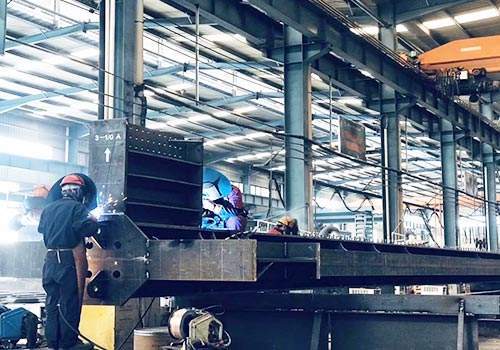
The dimensions of steel box columns play a crucial role in ensuring the stability of a structure. When selecting the right column size, engineers must take into account how the column will perform under different loads.
How Steel Box Column Sizes Affects Load Distribution
Larger steel box columns are better at distributing the load evenly across the structure, reducing the risk of structural failure. Their design also helps to maintain the stability of the overall structure, especially in high-rise buildings where load distribution is critical.
Steel Box Columns for Seismic Resistance
In earthquake-prone areas, the size and design of steel box columns are crucial for seismic resistance. Larger columns provide greater flexibility and strength, allowing them to withstand the forces generated during an earthquake without collapsing.
Steel Box Columns for Wind Load Resistance
Similarly, in regions subject to strong winds or hurricanes, larger steel box columns offer increased resistance to wind pressure, helping to prevent structural damage during extreme weather conditions.
Steel Box Column Sizes and Long-Term Durability
Proper sizing of steel box columns not only ensures immediate stability but also contributes to the long-term durability of the structure. Over-sized columns can increase material costs, while undersized columns may fail under stress, leading to costly repairs or replacements.
Custom Steel Box Column Sizes: What You Need to Know
While standard steel box columns are suitable for most projects, some construction scenarios require custom sizing to meet specific design criteria.
Benefits of Custom Steel Box Columns
Custom steel box columns provide greater flexibility in terms of size, allowing architects and engineers to design structures that meet exact specifications. These columns are particularly beneficial in projects that require unique aesthetic features or have unusual load requirements.
When to Consider Custom Steel Box Columns
Custom sizing should be considered when the standard steel box column sizes cannot meet the load-bearing capacity or design requirements of the project. This is often the case in large-scale infrastructure projects, where the demands on the structure are higher.
Custom Steel Box Columns vs Standard Sizes
Custom steel box columns are typically more expensive than standard ones, but they offer a higher level of precision and flexibility in design. The cost of customization can often be offset by the benefits of a more efficient, durable structure.
Comparing Steel Box Columns to Other Column Types
When choosing between steel box columns and other types of columns (like circular or I-beam columns), several factors must be considered, including the load capacity, design aesthetics, and construction cost.
Steel Box Columns vs Circular Columns
Steel box columns provide better resistance to bending and torsion, which is why they are often used in high-rise buildings. Circular columns, on the other hand, are often preferred in seismic regions because their shape provides uniform strength under different loading conditions.
Steel Box Columns vs I-Beam Columns
I-beam columns are simpler and less expensive but do not offer the same level of load distribution or stability as steel box columns. For large or high-rise buildings, steel box columns are often the better choice due to their superior strength.
Advantages and Disadvantages of Steel Box Columns in Various Applications
The advantages of steel box columns include their high strength, resistance to torsion, and ability to support heavy loads. However, they can be more expensive and may require more complex fabrication than simpler column types.
Steel Box Column Prices and Cost Considerations
The cost of steel box columns depends on several factors, including the size, material grade, and quantity required.
Factors Affecting Steel Box Column Pricing
Steel prices fluctuate based on market conditions, and the complexity of the column’s design also impacts its price. Custom steel box columns tend to be more expensive than standard sizes, but they may offer a better overall value for specific projects.
How to Estimate the Cost of Steel Box Columns for Your Project
To estimate the cost of steel box columns, you’ll need to consider the material costs, fabrication costs, and shipping fees. Many manufacturers offer online tools that can help you calculate the price based on your project’s specifications.
Bulk Orders and Discounts for Steel Box Columns
For large construction projects, ordering steel box columns in bulk can significantly reduce the per-unit cost. Many suppliers offer discounts for bulk orders, making it more cost-effective to purchase large quantities at once.
Steel Box Column Installation and Maintenance

Proper installation and maintenance are essential to ensuring the longevity and stability of steel box columns.
The Installation Process of Steel Box Columns
The installation of steel box columns typically involves using cranes or other lifting equipment to position the columns in place. The columns are then welded or bolted to the foundation and supporting structures.
Common Challenges During Installation
The main challenges during installation include ensuring the columns are positioned accurately and ensuring that they are properly secured to support the load. Incorrect installation can compromise the structural integrity of the entire building.
Maintenance Tips for Steel Box Columns
Routine maintenance is essential to preserve the durability of steel box columns. Inspections should be carried out regularly to check for signs of corrosion or wear. If necessary, columns should be repainted or coated to prevent rusting.
Lifespan and Durability of Steel Box Columns
Steel box columns have a long lifespan, often lasting 50 years or more when properly maintained. However, they should be inspected regularly for corrosion or damage, especially in environments with high moisture or industrial pollution.
FAQ
What is the standard size for steel box columns?
The standard size for steel box columns typically ranges from 200mm to 1000mm in width, with thicknesses between 6mm and 20mm. The height can vary based on the application, often ranging from 1000mm to 3000mm.
How do I calculate the correct steel box column sizes for my project?
The size of a steel box column is determined by factors like the load-bearing capacity, building height, and environmental conditions. Engineers use calculations based on load distribution and structural design codes such as AISC or Eurocode to determine the appropriate size.
Can steel box columns be customized?
Yes, steel box columns can be customized in terms of size, material, and thickness to meet specific project requirements. Custom sizing is often used in large-scale or specialized construction projects, such as bridges or high-rise buildings.
What are the advantages of steel box columns over other types of columns?
Steel box columns offer superior strength and load-bearing capacity compared to other column types like circular or I-beam columns. They provide better resistance to bending, torsion, and shear forces, making them ideal for high-rise buildings and heavy-duty structures.
How do steel box column sizes affect the structural stability of a building?
Larger steel box columns improve the load distribution and stability of a structure, reducing the risk of failure. They also enhance the building’s resistance to dynamic forces such as wind and seismic loads, ensuring long-term durability and safety.
Ready to Choose the Right Steel Box Column Size for Your Project?
Selecting the right steel box column size is crucial for the stability and durability of your construction project. If you’re unsure which size or configuration will best meet your needs, don’t hesitate to reach out to our team of experts. We can guide you through the process and help you find the perfect solution tailored to your specific requirements.
Contact us today for personalized consultation, or browse our range of high-quality steel box columns to get started on your next project!