Welcome to My Blog!
Before we dive into the content, I’d love for you to join me on my social media platforms where I share more insights, engage with the community, and post updates. Here’s how you can connect with me:
Facebook:https://www.facebook.com/profile.php?id=61565337355573
Now, let’s get started on our journey together. I hope you find the content here insightful, engaging, and valuable.
Table of Contents
Introduction
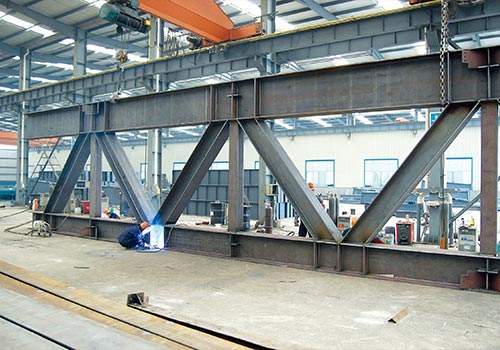
In the world of construction and engineering, the quest for structures that are both strong and cost-effective is perpetual. The steel beam truss stands as a testament to this pursuit, offering a solution that maximizes strength while minimizing material usage and overall costs. This blog post delves into the intricacies of steel beam trusses, exploring their benefits, applications, and the factors that contribute to their efficiency. The steel beam truss has been used for many years and is still a popular material for many construction projects due to its reliability and adaptability. Its inherent design allows for the creation of robust structures while optimizing resource allocation.
Understanding Steel Beam Truss Design
The fundamental principle behind a steel beam truss lies in its triangular structure. This design efficiently distributes loads, allowing for longer spans with less material compared to solid beams. The arrangement of steel members, including chords, web members, and joints, plays a crucial role in the truss’s ability to withstand various forces. Understanding these design elements is essential for optimizing the performance of a beam truss. Proper design ensures structural integrity and maximizes the lifespan of the truss. Engineers must carefully calculate and analyze the forces acting on the truss to guarantee stability and prevent failure.
Key Design Considerations for Beam Truss
- Load Distribution: The triangular configuration ensures that loads are distributed evenly across the truss, minimizing stress concentrations. This design also allows for the efficient transfer of forces along the truss members.
- Material Selection: High-strength steel is typically used to maximize the strength-to-weight ratio, optimizing performance and reducing material costs. The type of steel chosen will be determined by the environmental factors and the load requirements of the project.
- Joint Design: The connections between steel members are critical for the truss’s overall integrity, requiring precise engineering and fabrication. Strong and well-designed joints prevent movement and ensure the truss behaves as a unified structure.
- Span Length: Steel beam truss designs are particularly advantageous for long-span applications, where traditional beam designs would require excessive material. The ability to span large distances with minimal support is a key advantage of beam trusses.
- Environmental Factors: Considering wind loads, seismic activity, and other environmental factors is essential for safe and durable beam truss structures. These factors influence the design parameters and material selection to ensure the truss can withstand extreme conditions.
Cost-Effectiveness of Steel Beam Truss
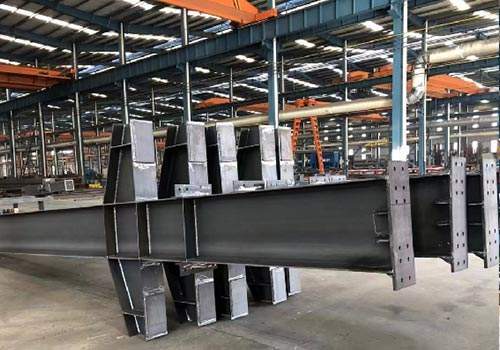
One of the most compelling advantages of steel beam truss systems is their cost-effectiveness. By optimizing the use of steel, these structures reduce material costs and minimize the weight of the overall construction. Furthermore, the efficiency of beam truss construction can lead to shorter project timelines, resulting in additional cost savings. This efficiency stems from the ability to prefabricate components and the streamlined assembly process.
Factors Contributing to Cost Savings in Beam Truss
- Reduced Material Usage: The open web design of steel beam truss systems minimizes the amount of steel required, leading to significant cost savings. The efficient use of materials also translates to lighter structures, reducing foundation requirements.
- Efficient Fabrication: Steel beam truss components can be prefabricated off-site, leading to faster on-site assembly and reduced labor costs. This controlled environment fabrication ensures higher quality and precision in the components.
- Lower Transportation Costs: The lighter weight of beam truss structures reduces transportation expenses, especially for large or remote projects. The ability to transport more components in a single trip also contributes to cost savings.
- Long life span of the steel beam truss reduces long term maintenance costs: The durability of steel makes the beam truss a long lasting structural option, reducing the frequency of repairs, or replacements.
Maximizing Strength with Steel Beam Truss
The strength of a steel beam truss is a direct result of its design and material properties. High-strength steel, combined with the optimized triangular configuration, allows these structures to withstand significant loads. This makes beam truss systems ideal for applications where structural integrity is paramount. The design of the beam truss allows for the even distribution of stress, avoiding weak points.
Strength Advantages of Beam Truss
- High Strength-to-Weight Ratio: Steel’s inherent strength, coupled with the truss design, maximizes load-bearing capacity, allowing for efficient use of materials. This ratio is crucial in applications where weight is a critical factor.
- Load Distribution Efficiency: The triangular structure evenly distributes forces, preventing stress concentrations and ensuring the structural integrity of the truss. This efficient distribution is essential for handling dynamic and static loads.
- Flexibility in Design: Steel beam truss systems can be customized to meet specific load requirements, allowing for tailored solutions for various projects. This adaptability makes them suitable for unique architectural designs.
- Durability. Steel beam truss systems are very durable: Steel is known for its resilience, and when fabricated correctly, beam truss systems are able to withstand harsh environmental conditions.
Applications of Steel Beam Truss
Steel beam truss systems find applications in a wide range of construction projects. From bridges and industrial buildings to roofs and canopies, the versatility of steel beam truss makes it a preferred choice for many engineers and architects. The adaptability of beam trusses makes them a valuable asset in modern construction.
Common Applications of Beam Truss
- Bridges: Steel beam truss bridges can span long distances, making them suitable for various terrains and geographical challenges. Their strength and durability are crucial for handling heavy traffic loads.
- Industrial Buildings: Steel beam truss roofs provide large, open spaces, ideal for warehouses and factories where unobstructed floor space is essential. These roofs can support heavy equipment and machinery.
- Arenas and Stadiums: The ability to create long-span roofs makes beam truss systems perfect for sports facilities, providing clear views for spectators. These structures can also withstand the dynamic loads from large crowds.
- Airports: large open areas are easy to make using beam truss systems, providing large open spaces for passenger terminals and aircraft hangars. These large spaces are essential for the operation of modern airports.
Steel Beam Truss: Material Properties
The material properties of steel play a vital role in the performance of a steel beam truss. Steel’s high tensile strength, yield strength, and modulus of elasticity contribute to the truss’s ability to withstand loads and maintain structural integrity. The selection of the correct grade of steel is very important.
Key Material Properties of Beam Truss
- Tensile Strength: Steel’s ability to resist pulling forces, ensuring the truss can withstand tensile loads without failure. This property is crucial for long-span applications.
- Yield Strength: The point at which steel begins to deform plastically, providing a measure of the material’s resistance to permanent deformation. Understanding this property is critical for designing safe structures.
- Modulus of Elasticity: Steel’s stiffness, which determines its resistance to deformation under load, ensuring the truss maintains its shape and stability. This property is essential for predicting the truss’s behavior under various loads.
- Corrosion resistance: modern steel has greater resistance to corrosion: Modern steel alloys are designed to resist corrosion, extending the lifespan of the beam truss and reducing maintenance needs. This property is particularly important in environments with high humidity or exposure to corrosive substances.
Steel Beam Truss: Fabrication and Erection
The fabrication and erection of a steel beam truss involve precise engineering and construction techniques. Prefabrication of truss components in a controlled environment ensures quality and accuracy, while efficient on-site assembly minimizes construction time. The efficiency of this process is essential to keep project costs down.
Fabrication and Erection Process of Beam Truss
- Design and Engineering: Detailed drawings and calculations are essential for accurate fabrication, ensuring all components fit together perfectly. This stage requires collaboration between engineers and fabricators.
- Material Preparation: Steel members are cut, shaped, and prepared for assembly, ensuring precise dimensions and quality. This preparation is crucial for the structural integrity of the truss.
- Welding and Bolting: Joints are connected using welding or bolting techniques, ensuring strong and reliable connections. The selection of the correct connection method is very important.
- On-Site Assembly: Truss components are transported and assembled on-site using cranes and other equipment, requiring careful planning and execution. This stage requires a skilled workforce.
Steel Beam Truss: Maintenance and Durability
Steel beam truss systems are known for their durability and longevity. Proper maintenance, including regular inspections and protective coatings, can further extend their lifespan and ensure continued structural integrity. Regular maintenance is essential to avoid costly repairs.
Maintenance and Durability Considerations for Steel Beam Truss
- Regular Inspections: Periodic checks for corrosion, damage, and loose connections, ensuring the truss’s structural integrity. These inspections help identify potential issues early.
- Protective Coatings: Applying corrosion-resistant coatings to prevent deterioration, especially in harsh environments. These coatings extend the lifespan of the steel and reduce maintenance needs.
- Repair and Replacement: Addressing any damage or deterioration promptly, ensuring the truss remains safe and functional. Timely repairs prevent minor issues from becoming major problems.
- Steel is a material that is very durable: Steel’s inherent durability contributes to the long lifespan of beam trusses, minimizing the need for frequent replacements. Steel is a material that can withstand many years of stress.
Steel Beam Truss Table
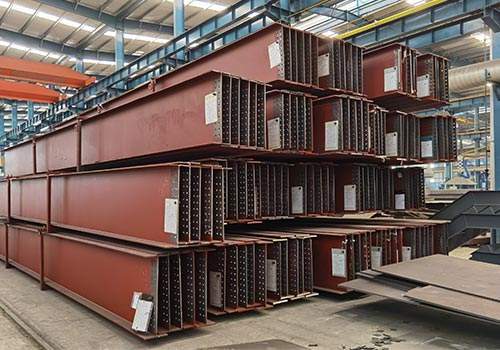
| Steel Beam Truss Characteristic | Description |
|---|---|
| Material | High-strength steel |
| Design | Triangular configuration |
| Load Distribution | Evenly distributed across the truss |
| Span Length | Suitable for long-span applications |
| Cost-Effectiveness | Reduced material usage, efficient fabrication |
| Strength | High strength-to-weight ratio |
| Applications | Bridges, industrial buildings, arenas, airports |
| Maintenance | Regular inspections, protective coatings |
Conclusion
The steel beam truss stands as a testament to the ingenuity of modern engineering, offering a solution that seamlessly blends strength, cost-effectiveness, and versatility. By understanding the design principles, material properties, and applications of steel beam truss systems, engineers and architects can create structures that are both efficient and durable. If you are looking for a steel beam truss solution that meets your project’s needs, contact us today, and let us help you build a stronger future.
FAQ
What are the main advantages of using a steel beam truss?
Steel beam truss systems offer a high strength-to-weight ratio, cost-effectiveness, and versatility in design, making them suitable for a wide range of applications.
How does a beam truss distribute loads?
The triangular configuration of a beam truss evenly distributes loads across its members, preventing stress concentrations and maximizing load-bearing capacity.
What types of applications are steel beam truss systems used for?
Steel beam truss systems are commonly used for bridges, industrial buildings, arenas, and other structures that require long spans and high load-bearing capacity.