Welcome to My Blog!
Before we dive into the content, I’d love for you to join me on my social media platforms where I share more insights, engage with the community, and post updates. Here’s how you can connect with me:
Facebook:https://www.facebook.com/profile.php?id=61565337355573
Now, let’s get started on our journey together. I hope you find the content here insightful, engaging, and valuable.
Table of Contents
Introduction
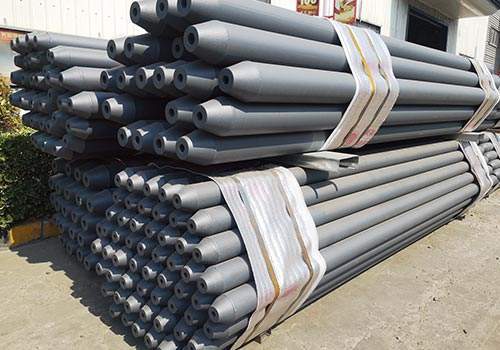
Steel fabrication components are the backbone of countless industries, from construction to manufacturing. These essential elements, crafted through precise processes, form the structural and functional parts of buildings, machinery, and infrastructure. At Guanglei, a leading enterprise established in 2002, we specialize in designing, producing, and installing high-quality steel fabrication components. With over two decades of expertise, our integrated approach ensures that every component meets rigorous standards for durability and performance. This blog dives deep into the world of steel fabrication components, exploring their types, applications, and critical considerations for achieving optimal results in your projects.
What Are Steel Fabrication Components?
Steel fabrication component refer to parts made from steel through cutting, bending, welding, and assembling processes. These components range from beams and columns to intricate fittings and brackets, each tailored to specific project requirements. They are widely used in construction, automotive, aerospace, and energy sectors due to steel’s strength, versatility, and recyclability. Understanding the role of steel fabrication component is crucial for architects, engineers, and project managers aiming to build reliable and efficient structures.
Key Processes in Creating Steel Fabrication Component
The creation of steel fabrication component involves several precision-driven processes. Cutting techniques, such as laser or plasma cutting, shape raw steel into desired forms. Bending and forming ensure components fit specific designs, while welding and assembly integrate parts into functional units. At Guanglei, our state-of-the-art facilities and skilled workforce ensure that every step in the fabrication process adheres to industry standards, delivering components that excel in quality and performance.
Types of Steel Fabrication Components

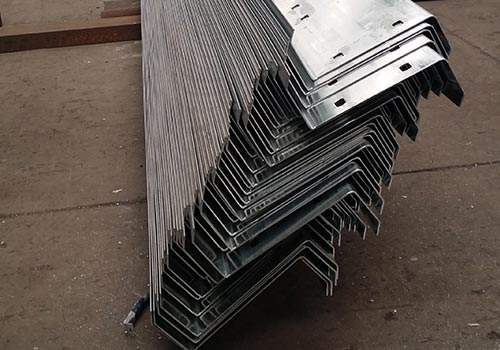
Steel fabrication components come in various forms, each serving distinct purposes. Structural components, like beams, columns, and trusses, provide the framework for buildings and bridges. Architectural components, such as railings and facades, enhance aesthetic appeal while maintaining functionality. Industrial components, including machine frames and conveyor parts, support heavy-duty operations. By leveraging advanced fabrication techniques, Guanglei produces a wide range of components to meet diverse industry needs.
Structural Steel Fabrication Component
Structural steel fabrication component are vital for constructing robust frameworks. Beams and columns bear heavy loads, while trusses distribute weight efficiently. These components are engineered for precision, ensuring stability and safety in high-rise buildings, warehouses, and infrastructure projects. Guanglei’s expertise in structural steel fabrication ensures that every component meets stringent design specifications.
Architectural Steel Fabrication Component
Architectural steel fabrication component blend form and function. From ornate staircases to sleek curtain wall systems, these components elevate the visual appeal of structures while maintaining structural integrity. Guanglei’s design team collaborates with architects to create custom components that align with aesthetic and performance goals.
Applications of Steel Fabrication Components
Steel fabrication components are integral to a wide range of applications. In construction, they form the skeleton of skyscrapers, bridges, and stadiums. In manufacturing, they enable the production of machinery and equipment. The energy sector relies on them for pipelines and wind turbine towers, while transportation uses them in shipbuilding and automotive frames. Their versatility makes steel fabrication components indispensable across industries.
Steel Fabrication Components in Construction
In construction, steel fabrication component provide unmatched strength and flexibility. High-rise buildings depend on beams and columns for structural support, while roofing systems use trusses for stability. Guanglei’s comprehensive services, from design to installation, ensure that construction projects benefit from durable, precision-engineered components.
Steel Fabrication Component in Manufacturing
Manufacturing relies heavily on steel fabrication component for equipment and infrastructure. Machine frames, conveyor systems, and storage racks are fabricated to withstand rigorous operational demands. Guanglei’s ability to produce custom components ensures that manufacturers receive parts tailored to their specific machinery and processes.
Table: Common Steel Fabrication Components and Their Uses
| Component Type | Description | Primary Use |
|---|---|---|
| Beams | Horizontal structural elements that support loads. | Building frameworks, bridges |
| Columns | Vertical supports that transfer loads to foundations. | High-rise buildings, warehouses |
| Trusses | Triangular frameworks that distribute weight. | Roofing systems, bridges |
| Railings | Decorative and safety barriers. | Staircases, balconies |
| Brackets | Small supports for mounting or reinforcement. | Machinery, architectural features |
| Plates | Flat steel sheets used for connections or bases. | Construction, industrial equipment |
| Channels | U-shaped sections for structural support. | Frameworks, conveyor systems |
| Angles | L-shaped sections for reinforcement. | Building frames, machinery |
| Pipe Supports | Components that secure piping systems. | Pipelines, industrial facilities |
This table highlights the diversity of steel fabrication components, showcasing their roles in various applications. Whether for structural integrity or aesthetic enhancement, these components are critical to project success.
Benefits of Using Steel Fabrication Components
Steel fabrication component offer numerous advantages. Their high strength-to-weight ratio allows for lighter, more efficient structures. Steel’s durability ensures long-lasting performance, even in harsh environments. Additionally, steel is recyclable, making it an environmentally friendly choice. At Guanglei, we prioritize sustainable practices, ensuring that our steel fabrication component contribute to eco-conscious projects.
Durability and Strength of Steel Fabrication Component
The durability of steel fabrication component makes them ideal for demanding applications. Steel resists corrosion, fire, and extreme weather, ensuring longevity. Guanglei’s advanced coating and treatment processes further enhance component durability, providing clients with reliable solutions.
Cost-Effectiveness of Steel Fabrication Component
While initial costs for steel fabrication component may vary, their long-term value is undeniable. Steel’s low maintenance requirements and recyclability reduce lifecycle costs. Guanglei’s efficient production processes ensure competitive pricing without compromising quality, making our components a cost-effective choice.
Challenges in Steel Fabrication Component Production
Producing steel fabrication component comes with challenges. Precision is critical, as even minor errors can compromise structural integrity. Material sourcing, quality control, and skilled labor are also key considerations. At Guanglei, we address these challenges through rigorous quality assurance protocols and a highly trained workforce, ensuring consistent excellence.
Ensuring Precision in Steel Fabrication Component
Precision is paramount in steel fabrication component. Advanced technologies, such as CNC machines and laser cutting, enable accurate shaping and assembly. Guanglei’s investment in cutting-edge equipment ensures that every component meets exact specifications, minimizing errors and enhancing project outcomes.
How to Choose the Right Steel Fabrication Components
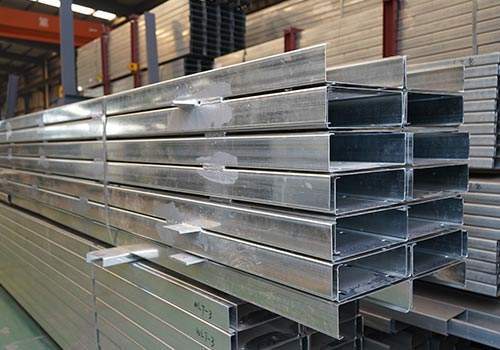
Selecting the right steel fabrication component requires careful consideration. Factors include project requirements, load-bearing needs, environmental conditions, and budget. Partnering with an experienced fabricator like Guanglei ensures access to expert guidance and high-quality components tailored to your needs.
Factors to Consider When Selecting Steel Fabrication Components
When choosing steel fabrication components, evaluate material grades, fabrication techniques, and compliance with industry standards. For example, projects in coastal areas may require corrosion-resistant steel. Guanglei’s team provides comprehensive consultations to help clients select components that align with their goals.
Conclusion
Steel fabrication components are the cornerstone of modern infrastructure and industry. Their strength, versatility, and sustainability make them indispensable for projects of all scales. By understanding their types, applications, and benefits, you can make informed decisions to enhance your projects. At Guanglei, we’ve been delivering top-tier steel fabrication components since 2002, combining expertise with innovation to meet client needs. Ready to elevate your next project? Contact us today to explore our comprehensive solutions and start building with confidence.
FAQ
What are steel fabrication components used for?
Steel fabrication components are used in construction, manufacturing, energy, and transportation for structural support, machinery, and aesthetic features.
How are steel fabrication components made?
They are created through processes like cutting, bending, welding, and assembling, often using advanced technologies for precision.
Why choose steel fabrication components over other materials?
Steel offers superior strength, durability, and recyclability, making it a cost-effective and sustainable choice.