Welcome to My Blog!
Before we dive into the content, I’d love for you to join me on my social media platforms where I share more insights, engage with the community, and post updates. Here’s how you can connect with me:
Facebook:https://www.facebook.com/profile.php?id=61565337355573
Now, let’s get started on our journey together. I hope you find the content here insightful, engaging, and valuable.
Table of Contents
Introduction

In the world of structural engineering and construction, the i-beam truss stands as a testament to efficiency and strength. This versatile structural component plays a crucial role in various building projects, offering exceptional load-bearing capabilities and design flexibility. The i beam truss is engineered to optimize the distribution of stress, thereby enhancing the overall stability of structures, especially in projects where large spans are required. This guide aims to explore the structural advantages of i-beam truss systems, their applications, and the factors to consider when incorporating them into your projects. The i-beam truss system really is a cornerstone of modern construction, providing a robust solution for diverse architectural needs.
Understanding the Fundamentals of I Beam Truss
An i-beam truss is a structural framework composed of interconnected elements that form a triangular pattern. The “i-beam” portion of the name comes from the shape of the main horizontal beams, which resemble the letter “I.” This design maximizes the strength-to-weight ratio, allowing the i beam truss to bear significant loads while minimizing material usage, contributing to both cost-effectiveness and structural integrity. The configuration of the i-beam truss distributes weight evenly, reducing the risk of bending or buckling, even under extreme load conditions. The i beam truss is designed to offer maximum support, making it invaluable in projects requiring large, open spaces.
Key Structural Advantages of I-Beam Truss
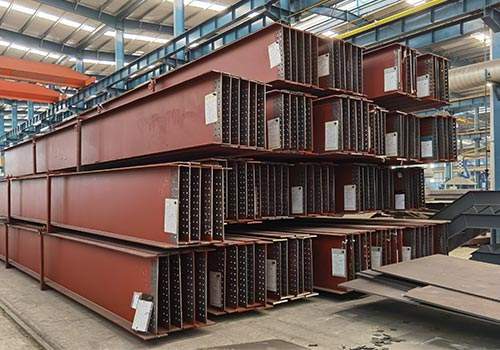
The i-beam truss offers several structural advantages that make it a preferred choice in construction:
- High Strength-to-Weight Ratio: The design of the i beam truss allows for maximum strength with minimal material, reducing overall weight. This efficiency in material usage translates to lower construction costs and easier handling during installation.
- Superior Load-Bearing Capacity: The triangular pattern of the i beam truss effectively distributes loads, allowing it to support heavy weights over long spans. This load distribution is crucial for maintaining structural stability in large buildings and bridges.
- Design Flexibility: I beam truss systems can be customized to fit various architectural designs and structural requirements. This adaptability allows architects and engineers to create unique and efficient structures.
- Cost-Effectiveness: The efficient use of materials and simplified installation process contribute to the cost-effectiveness of i-beam truss structures. The prefabricated nature of many i beam trusses also reduces on-site labor time.
- Durability and Longevity: When properly fabricated and maintained, i beam truss systems can withstand harsh environmental conditions and provide long-lasting structural support. This durability ensures that structures remain safe and stable for decades.
Applications of I-Beam Truss in Construction
I-beam truss systems find applications in a wide range of construction projects:
- Bridges: I-beam truss bridges are known for their ability to span large distances while supporting heavy traffic loads. The robust design of i beam trusses allows for the construction of bridges capable of withstanding significant stress.
- Roofs: I-beam truss systems provide strong and stable support for large roof structures in commercial and industrial buildings. These trusses create wide, open spaces without the need for numerous support columns.
- Warehouses and Industrial Buildings: The long-span capabilities of i beam truss systems make them ideal for creating open, unobstructed spaces. This allows for efficient storage and movement of goods and equipment.
- Commercial Buildings: I beam truss systems are used to support floors and roofs in various commercial structures, including shopping malls and office buildings. The ability to create large, open spaces is essential for modern commercial designs.
- Aircraft Hangers: The large, clear spans needed for aircraft hangers are easily accomplished by using i-beam truss systems. This ensures ample space for aircraft maintenance and storage.
Factors to Consider When Designing with I Beam Truss
When designing with i beam truss systems, several factors must be considered:
- Load Requirements: Understanding the specific load requirements of the structure is crucial for selecting the appropriate i-beam truss design. Accurate load calculations are essential for ensuring structural safety.
- Span Length: The span length of the i beam truss will influence the design and material selection. Longer spans require more robust designs and materials.
- Material Selection: Choosing the right materials, such as steel or aluminum, is essential for ensuring the durability and longevity of the i-beam truss. The material must be suitable for the intended application and environmental conditions.
- Environmental Conditions: Considering the environmental conditions, such as wind loads and seismic activity, is necessary for designing a safe and stable i beam truss structure. These factors influence the structural design and material choices.
- Installation and Maintenance: Proper installation and regular maintenance are essential for ensuring the optimal performance of the i beam truss system. Professional installation and routine inspections are crucial.
I-Beam Truss Material Properties
Here’s a table showcasing some of the material properties relating to the i beam truss.
| Property | Value |
|---|---|
| Yield Strength (Steel) | 250-350 MPa |
| Tensile Strength (Steel) | 400-550 MPa |
| Modulus of Elasticity (Steel) | 200 GPa |
| Density (Steel) | 7850 kg/m³ |
| Typical Truss span | Varies greatly dependant on design |
Installation and Maintenance of I-Beam Truss
Proper installation and regular maintenance are essential for ensuring the longevity and optimal performance of i beam truss systems. Installation should be performed by experienced professionals who understand the complexities of structural engineering. Regular inspections and maintenance, such as painting and bolt tightening, can help prevent corrosion and ensure the continued stability of the i-beam truss. These maintenance practices are crucial for preserving the structural integrity of the system.
Cost Considerations for I Beam Truss Projects
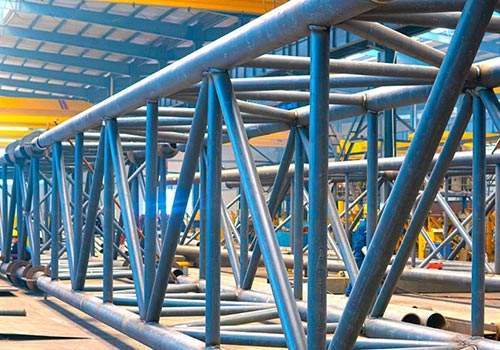
The cost of i-beam truss projects can vary significantly depending on several factors, including:
- Material Costs: The price of steel or aluminum can fluctuate, affecting the overall project cost. Market conditions and material availability influence these costs.
- Fabrication Costs: The complexity of the i beam truss design will influence fabrication costs. Intricate designs require more labor and specialized equipment.
- Installation Costs: Labor costs for installing the i-beam truss system will vary depending on the project’s complexity and location. The complexity of the installation influences the required labor hours.
- Transportation Costs: Transporting the i beam truss components to the construction site can add to the overall cost. Distance and logistical challenges impact these expenses.
Conclusion
I-beam truss systems offer numerous structural advantages, making them a reliable and efficient choice for various construction projects. Their high strength-to-weight ratio, superior load-bearing capacity, and design flexibility contribute to their widespread use in modern construction. When designed and installed correctly, i-beam truss systems provide durable and long-lasting structural support. If you’re looking to implement i beam truss systems in your next project, contact us for expert consultation and quality solutions that will meet your specific needs.
FAQ
What is an i-beam truss?
An i-beam truss is a structural framework composed of interconnected elements that form a triangular pattern, using “I” shaped beams. This design provides exceptional strength and stability.
What are the advantages of using an i beam truss?
Advantages include high strength-to-weight ratio, superior load-bearing capacity, design flexibility, and cost-effectiveness. These benefits make i beam trusses a valuable component in many construction projects.
Where are i-beam truss systems used?
They are used in bridges, roofs, warehouses, commercial buildings, and aircraft hangers, among other structures. Their versatility makes them suitable for a wide range of applications.