Welcome to My Blog!
Before we dive into the content, I’d love for you to join me on my social media platforms where I share more insights, engage with the community, and post updates. Here’s how you can connect with me:
Facebook:https://www.facebook.com/profile.php?id=61565337355573
Now, let’s get started on our journey together. I hope you find the content here insightful, engaging, and valuable.
Table of Contents
Introduction
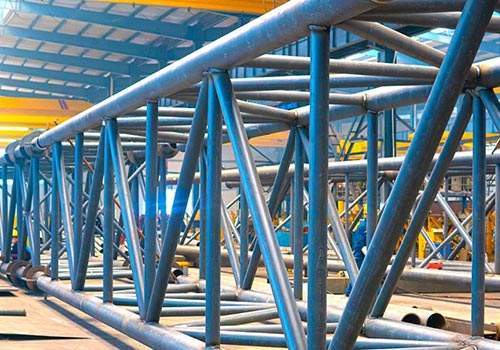
The i beam truss is a structural component that has revolutionized modern construction. Its unique design, combining the strength of i beams with the efficiency of truss systems, has made it an indispensable element in a wide range of building projects. This blog post delves into the various applications of the i beam truss, its advantages, and its role in shaping the future of construction. Understanding the intricacies of i beam truss systems can provide valuable insights for architects, engineers, and builders aiming to optimize structural integrity and efficiency.
Understanding the Structure of I-Beam Truss
The i beam truss derives its strength from the i beam’s distinctive shape, which features two horizontal flanges connected by a vertical web. This design maximizes bending resistance while minimizing material usage, making it exceptionally efficient. When integrated into a truss framework, the i-beam truss further enhances load-bearing capacity and structural stability. The design of the i-beam truss allows for long spans with minimal deflection, which is critical in large structures. The specific configuration of the web and flanges can be tailored to meet the demands of various loading conditions, ensuring optimal performance.
Applications in Residential Construction
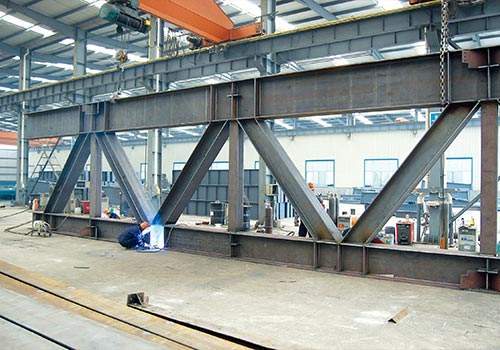
In residential construction, the i beam truss is widely used for floor and roof systems. Its ability to span long distances without intermediate support allows for open floor plans and flexible designs. These trusses provide a stable and reliable framework, reducing the need for load-bearing walls and enabling greater architectural freedom. The use of i-beam truss systems in residential projects often leads to reduced construction time and material costs. Moreover, the precision manufacturing of i-beam truss components ensures consistent quality and dimensional accuracy, contributing to the overall durability and longevity of the structure.
Commercial and Industrial Uses of I Beam Truss
Commercial and industrial buildings often require robust structural solutions to support heavy loads and large open spaces. The i-beam truss excels in these applications, providing the necessary strength and stability for warehouses, factories, and shopping malls. Its versatility allows for the creation of expansive, column-free interiors, which are essential for maximizing usable space. In large-scale industrial projects, the i beam truss can be customized to handle specific load requirements, ensuring the safety and efficiency of the facility. The application of i-beam truss in these environments results in structures that are both strong and adaptable.
Bridges and Infrastructure Projects
Bridges and other infrastructure projects rely heavily on the i-beam truss for its exceptional load-bearing capabilities. The design of the i-beam truss makes it ideal for spanning large distances, a critical requirement for bridge construction. Additionally, its high strength-to-weight ratio allows for the construction of lightweight yet durable structures, reducing material costs and construction time. The use of i beam truss in infrastructure projects ensures the long-term stability and safety of these critical assets. The ability of the i-beam truss to withstand heavy traffic loads and environmental stressors makes it a preferred choice in bridge design.
Advantages of Utilizing I Beam Truss
The advantages of using i beam truss are numerous. Its high strength-to-weight ratio results in significant material savings, reducing overall construction costs. The design of the i-beam truss allows for longer spans with minimal deflection, offering greater flexibility in architectural design. Additionally, the precision manufacturing of i-beam truss components ensures consistent quality and dimensional accuracy. The i beam truss also provides excellent resistance to bending and shear forces, contributing to the structural integrity of buildings. The ease of installation and the ability to customize i-beam truss systems further enhance their appeal in modern construction.
Comparing I Beam Truss with Other Structural Systems
| Feature | I Beam Truss | Solid Steel Beams | Concrete Beams |
|---|---|---|---|
| Strength-to-Weight Ratio | High | Moderate | Low |
| Span Capability | Long | Moderate | Short |
| Material Efficiency | High | Moderate | Low |
| Installation Speed | Fast | Moderate | Slow |
| Customization | High | Moderate | Low |
| Cost effectiveness | high | moderate | low |
This table shows a general comparison. each project has different requirements, and the best material will change from project to project.
I-Beam Truss and Sustainable Construction
Sustainable construction practices are increasingly important in modern building. The i-beam truss contributes to sustainability by minimizing material usage and reducing waste. Its high strength-to-weight ratio translates to less material required for construction, lowering the environmental impact. Additionally, the i beam truss can be manufactured from recycled steel, further enhancing its sustainability credentials. The long lifespan of i-beam truss structures also reduces the need for frequent replacements, contributing to the overall sustainability of the built environment.
Installation and Maintenance of I Beam Truss
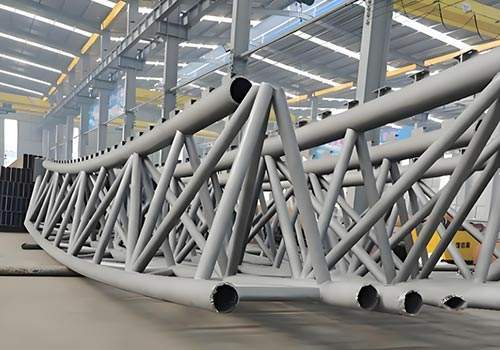
Proper installation and maintenance are essential for ensuring the long-term performance of i-beam truss systems. Installation should be carried out by experienced professionals who understand the intricacies of truss construction. Regular inspections and maintenance can help identify and address any potential issues, preventing costly repairs and ensuring the safety of the structure. Maintenance typically involves checking for signs of corrosion, damage, and loose connections. Proper maintenance extends the life of the i-beam truss.
Conclusion
The i beam truss has become a cornerstone of modern construction, offering unparalleled strength, efficiency, and versatility. Its applications span a wide range of building projects, from residential homes to large-scale industrial facilities and infrastructure. By understanding the advantages and applications of the i-beam truss, architects, engineers, and builders can optimize structural designs and create more sustainable and efficient buildings. For your next project, consider the superior strength and efficiency of the i beam truss. Contact us today to discuss how we can help you achieve your construction goals.
FAQ
What are the primary benefits of using I-beam truss?
The primary benefits include high strength-to-weight ratio, long span capability, material efficiency, and ease of installation.
In what types of buildings is i beam truss commonly used?
It’s commonly used in residential, commercial, industrial buildings, and infrastructure projects like bridges.
How does i-beam truss contribute to sustainable construction?
By minimizing material usage, reducing waste, and allowing for the use of recycled materials.