Welcome to My Blog!
Before we dive into the content, I’d love for you to join me on my social media platforms where I share more insights, engage with the community, and post updates. Here’s how you can connect with me:
Facebook:https://www.facebook.com/profile.php?id=61565337355573
Now, let’s get started on our journey together. I hope you find the content here insightful, engaging, and valuable.
Table of Contents
Introduction
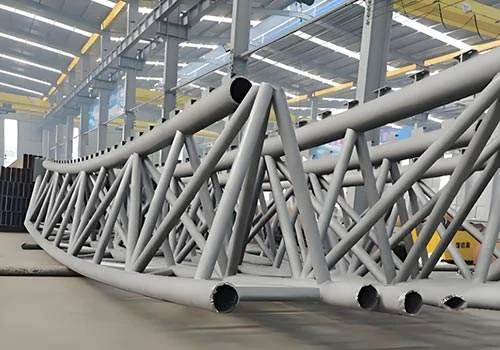
In modern construction, trusses steel serves as a fundamental component for providing stability, strength, and flexibility to structures of all kinds. Whether for a residential roof, industrial facility, or massive bridge, steel trusses deliver exceptional support and are engineered to endure a variety of loads and environmental conditions. Choosing the right trusses steel can make a significant difference in a project’s structural integrity, efficiency, and long-term performance.
This comprehensive guide covers everything you need to know about steel trusses, from understanding their design and applications to evaluating different types and considering key selection factors. Whether you’re a contractor, an architect, or a project owner, this blog will help you navigate the choices and maximize the value of steel trusses in your construction projects.
What Are Steel Trusses?
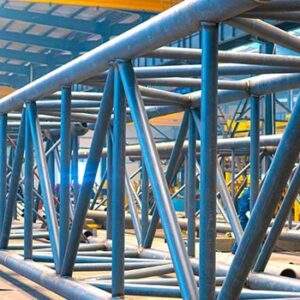
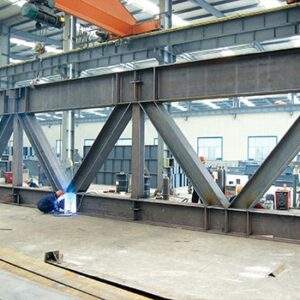
Steel trusses are structural frameworks made of steel, designed with triangular units that efficiently distribute weight and handle both compression and tension forces. They are extensively used in construction for roofs, bridges, towers, and other structures requiring robust and reliable support.
Why Are Steel Trusses Important?
The triangular geometry of trusses ensures even load distribution, reducing stress on individual components and improving overall stability. Steel, being highly durable, flexible, and strong, enhances the truss’s ability to withstand environmental challenges such as wind, snow, or seismic activity.
Key Components of Steel Trusses
- Top Chord: Upper horizontal member experiencing compressive forces.
- Bottom Chord: Lower horizontal member under tension forces.
- Web Members: Vertical and diagonal connectors that provide stability and load distribution.
- Joints: Bolted or welded connections securing the truss components together.
Types of Steel Trusses
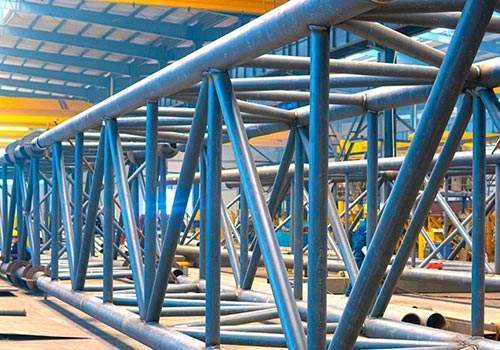
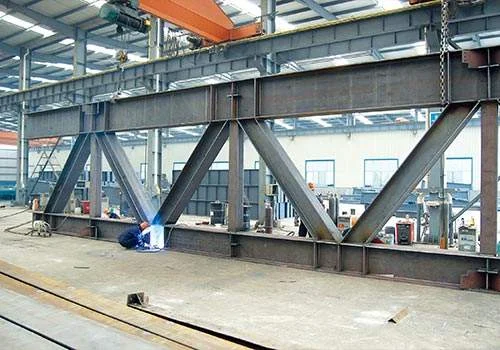
Selecting the right type of trusses steel for your project depends on the application and the structural requirements. Here are the most common types of steel trusses:
Pratt Trusses
Pratt trusses feature diagonals sloping toward the center and are ideal for medium-span applications. They are efficient in handling tension forces and are commonly used in bridges and small industrial buildings.
Warren Trusses
Composed of equilateral triangles, Warren trusses distribute loads evenly across the structure. Their simplicity makes them suitable for long-span roofs, bridges, and other expansive structures.
Howe Trusses
Howe trusses have diagonal members sloping toward the supports, making them strong under vertical loads. They are popular for heavy-load industrial structures and bridges.
Fink Trusses
Fink trusses are lightweight and cost-effective, often used in residential roof construction. Their design maximizes material efficiency for smaller spans.
K Trusses
K trusses are robust and provide high stiffness, making them ideal for warehouses, factories, and other heavy-duty applications.
Table: Comparing Steel Truss Types
| Type of Truss | Applications | Advantages | Limitations |
|---|---|---|---|
| Pratt Truss | Medium-span bridges, small roofs | Efficient material usage | Limited for very long spans |
| Warren Truss | Long-span roofs, bridges | Even load distribution | Requires precise assembly |
| Howe Truss | Heavy-load structures | Superior vertical load strength | Heavier than other designs |
| Fink Truss | Residential roofs | Lightweight, economical | Limited to shorter spans |
| K Truss | Industrial facilities, factories | High stiffness and strength | Complex design and assembly |
How to Choose the Right Trusses Steel


Define Your Structural Needs
Start by understanding the structural requirements of your project. Assess the span, load type (live, dead, wind, or snow loads), and intended use of the building or structure.
Consider Environmental Factors
Environmental conditions such as humidity, temperature, and exposure to corrosive elements should guide your selection. For harsh environments, opt for galvanized or coated steel to enhance corrosion resistance.
Evaluate Material Quality
The quality of the steel used in the trusses is critical. Look for steel with high tensile and compressive strength, ensuring compliance with recognized standards like ASTM or EN specifications.
Analyze Cost Efficiency
While initial costs are important, consider the long-term benefits of using high-quality trusses steel. Investing in durable and low-maintenance materials can save costs over the structure’s lifetime.
Collaborate with Professionals
Consult with structural engineers and architects to select the most suitable design. Professional input ensures that your trusses meet safety standards and deliver optimal performance.
Advantages of Steel Trusses
Exceptional Strength and Durability
Steel trusses offer unparalleled strength, capable of handling substantial loads without deformation. Their durability ensures a long service life even in challenging conditions.
Versatility in Design
Steel trusses can be customized to fit a variety of structural designs, making them suitable for both simple and complex architectural projects.
Lightweight and Efficient
Compared to traditional materials like concrete or wood, steel trusses are lightweight, reducing transportation and installation costs while maintaining high strength.
Cost-Effective Solution
Although the initial investment may be higher, steel trusses require less maintenance and offer long-term savings.
Eco-Friendly Material
Steel is 100% recyclable, contributing to sustainable construction practices.
Conclusion
Choosing the right trusses steel is a critical decision that impacts the safety, efficiency, and longevity of your construction project. By understanding the different types of steel trusses, evaluating structural requirements, and consulting with professionals, you can ensure that your structure meets both functional and aesthetic needs.
Steel trusses combine strength, flexibility, and sustainability, making them an ideal choice for a wide range of applications. Whether you’re building a home, a factory, or a bridge, investing in high-quality steel trusses will provide long-term value and reliability.
FAQ
What factors should I consider when selecting steel trusses?
You should consider structural requirements, environmental conditions, material quality, compliance with building codes, and cost efficiency. Consulting a professional can help streamline the process.
How are steel trusses maintained?
Steel trusses require periodic inspections, cleaning, and application of protective coatings if exposed to corrosive environments. Proper maintenance can significantly extend their lifespan.
Can steel trusses be used for residential buildings?
Yes, steel trusses are commonly used in residential construction, especially for roofs. Their lightweight design and strength make them a practical choice.
What is the lifespan of steel trusses?
With proper maintenance, steel trusses can last several decades, often exceeding 50 years. High-quality materials and protective treatments can further enhance their durability.
Are steel trusses environmentally friendly?
Yes, steel is a recyclable material. Using steel trusses contributes to sustainable building practices and reduces construction waste.