Welcome to My Blog!
Before we dive into the content, I’d love for you to join me on my social media platforms where I share more insights, engage with the community, and post updates. Here’s how you can connect with me:
Facebook:https://www.facebook.com/profile.php?id=61565337355573
Now, let’s get started on our journey together. I hope you find the content here insightful, engaging, and valuable.
Table of Contents
Introduction
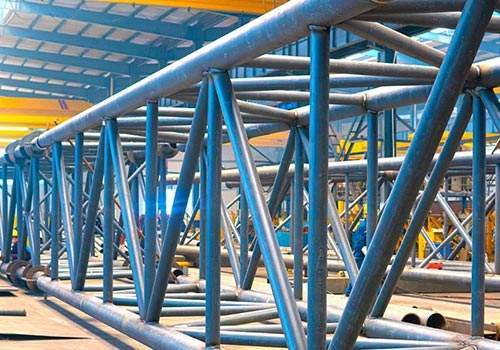
Steel truss beams are a fundamental component in modern construction, offering exceptional strength and durability. Their unique design allows for superior load distribution, making them ideal for various applications, from bridges to high-rise buildings. The ability to withstand heavy loads, environmental stress, and long-term wear makes them an essential structural element. This blog explores the benefits of steel truss beams, their role in structural durability, and key factors to consider when incorporating them into your projects. By understanding how they function and where they are best applied, you can make an informed decision on using them in your construction endeavors.
What Are Steel Truss Beams?
Steel truss beams consist of triangular units connected by straight steel elements. This configuration enhances their ability to bear loads efficiently, providing a high strength-to-weight ratio. Unlike traditional beams, which rely on solid mass for support, steel truss beam distribute force through multiple interconnected points, reducing stress concentrations. The truss structure minimizes material usage while maximizing strength, making it a cost-effective choice for construction. Additionally, their design allows for flexibility in spanning long distances without the need for excessive support columns, making them a preferred choice for architects and engineers.
Advantages of Using Steel Truss Beams
High Load-Bearing Capacity
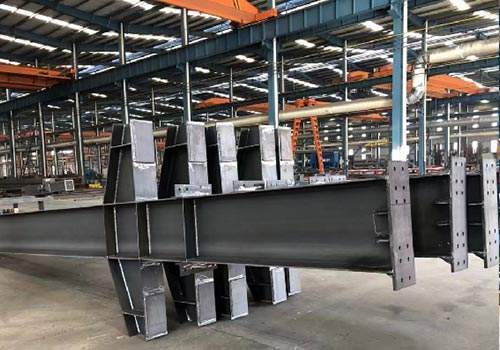
Steel truss beams can support significant weight, distributing the load evenly across the structure. This feature makes them ideal for large-span constructions, such as stadiums, bridges, and warehouses. Unlike solid beams, which concentrate stress in one area, the truss system evenly disperses forces, enhancing overall stability. This is particularly important in environments where dynamic loads, such as heavy machinery or moving vehicles, are common. The ability to handle heavy loads without excessive deflection ensures long-term safety and reliability.
Enhanced Structural Stability
By utilizing a triangular framework, steel truss beam provide enhanced stability against external forces such as wind and seismic activity. Their rigidity reduces structural deformation and ensures longevity. The interconnected nodes in a truss system allow for multiple pathways of force transfer, making it highly resistant to localized failures. Even if one section of a truss experiences stress, the load is effectively transferred to other parts, preventing catastrophic collapse. This makes them a preferred choice for earthquake-resistant construction.
Cost-Effectiveness
Compared to other beam types, steel truss beams require less raw material while offering higher strength. This efficiency leads to lower material and labor costs in construction projects. Since truss beams use a minimal amount of steel to achieve maximum support, they reduce overall project costs while maintaining durability. Additionally, their prefabrication in factories allows for quicker assembly on-site, cutting down on construction time and labor expenses. This makes them a practical option for projects that need to balance budget constraints with structural integrity.
Versatility in Design
These beams can be customized to fit different architectural and engineering requirements. They allow for open spaces without the need for additional support columns, making them ideal for modern designs. Whether used in contemporary skyscrapers, industrial warehouses, or public infrastructure, steel truss beam offer flexibility in shaping innovative structures. Their adaptability makes them suitable for both aesthetic and functional applications, allowing architects to push design boundaries without compromising on strength.
Durability and Longevity
Steel resists corrosion, pests, and environmental wear, ensuring the longevity of structures built with steel truss beams. With proper maintenance, they can last for decades. Unlike wooden beams, which are vulnerable to termites, moisture damage, and rot, steel truss beams provide long-term reliability in harsh conditions. Special coatings and treatments further enhance their resistance to rust, extending their service life even in humid or coastal environments. This durability translates to reduced maintenance costs and fewer structural repairs over time.
Comparing Steel Truss Beam with Other Structural Supports
The following table highlights key differences between steel truss beams and other common beam types:
| Feature | Steel Truss Beams | Wooden Beams | Concrete Beams |
|---|---|---|---|
| Strength-to-Weight Ratio | High | Low | Medium |
| Load Distribution | Excellent | Moderate | Good |
| Durability | High | Susceptible to rot | High but heavy |
| Cost-Effectiveness | Cost-efficient | Low initial cost, high maintenance | High material cost |
| Environmental Resistance | Excellent | Poor | Good |
From the table, it’s evident that steel truss beam provide superior load distribution, durability, and cost-effectiveness compared to other options. While wooden beams might be cheaper initially, they require frequent maintenance and lack the strength required for large-scale projects. Concrete beams, on the other hand, offer good durability but come with significant weight and cost challenges.
Applications of Steel Truss Beams
Bridge Construction
Bridges require beams that can handle heavy traffic loads while maintaining stability. Steel truss beams provide this support efficiently, reducing maintenance needs. Since they are lightweight compared to solid beams, they minimize the total load on bridge foundations. This not only enhances safety but also allows for longer spans without excessive support structures. Their corrosion resistance also ensures longevity in high-moisture environments, such as river crossings.
High-Rise Buildings
For skyscrapers, structural integrity is crucial. Using steel truss beam allows architects to design taller buildings without excessive weight burdens. By reducing the overall load, they minimize the need for massive foundation reinforcements. This is particularly important in urban areas where space constraints make deep foundations challenging. Truss beams also facilitate open floor plans, which are desirable in modern office and residential buildings.
Industrial and Commercial Buildings
Factories, warehouses, and commercial complexes benefit from the open space design that steel truss beams enable. Their strength allows for expansive interiors with minimal support columns. This is particularly advantageous for industries that require large machinery or storage areas. The reduced need for internal supports maximizes usable floor space, increasing operational efficiency.
Sports Arenas and Stadiums
Large-scale venues require support structures that can span vast areas without compromising stability. Steel truss beam offer the perfect solution. Their ability to support roofs and seating structures without excessive columns ensures unobstructed views for spectators. Additionally, their lightweight nature reduces overall construction weight, which is beneficial for seismic stability.
Key Considerations When Choosing Steel Truss Beams
Load Requirements
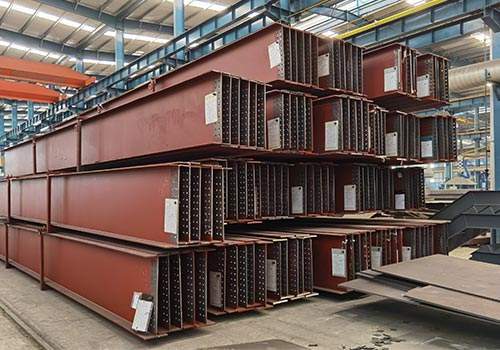
Before selecting a truss beam, it’s essential to assess the specific load demands of the structure. This ensures optimal performance and longevity. Factors such as dynamic loads, wind forces, and seismic activity should be carefully analyzed to select the most suitable beam type.
Material Quality
High-grade steel ensures better durability and resistance to environmental stressors. Always opt for quality-certified materials. Using substandard steel can compromise structural integrity, leading to premature failure and costly repairs.
Design and Customization Options
Work with engineers to customize steel truss beams according to the specific needs of your project, ensuring maximum efficiency. Advanced CAD software allows for precise designs that optimize material usage and load-bearing capacity.
Maintenance and Inspection
Regular maintenance, including inspections for corrosion or structural damage, can extend the lifespan of steel truss beams significantly. Proactive maintenance helps identify minor issues before they become major structural concerns.
How Steel Truss Beams Improve Structural Durability
Reduced Structural Stress
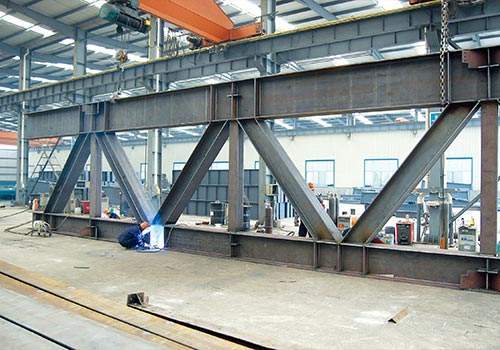
The truss design evenly distributes weight, reducing stress on any single component. This minimizes the risk of failure and extends the structure’s lifespan. The ability to resist torsional forces also prevents warping and distortion over time.
Resistance to Environmental Factors
Steel truss beams withstand harsh weather conditions, including heavy winds, seismic activity, and moisture, reducing the likelihood of degradation over time. Their adaptability to extreme climates makes them ideal for global construction projects.
Lower Repair Costs
Due to their durability, structures utilizing steel truss beam require fewer repairs and reinforcements, cutting down on long-term costs. Investing in quality truss systems reduces the need for costly retrofits and emergency repairs.
Conclusion
Steel truss beams offer unmatched structural durability, cost-efficiency, and design versatility, making them a top choice for modern construction. Whether for bridges, skyscrapers, or stadiums, their strength and stability enhance the longevity of any structure. If you’re looking to incorporate steel truss beams into your next project, contact us today to explore the best options for your needs. Let us help you build with strength, efficiency, and reliability!
FAQ
What makes steel truss beams different from regular steel beams?
Unlike regular beams, steel truss beams utilize a triangular framework, which improves load distribution and reduces material usage.
How long do steel truss beams last?
With proper maintenance, steel truss beams can last for over 50 years, depending on environmental conditions and usage.
Are steel truss beams environmentally friendly?
Yes, steel truss beams are sustainable as they can be recycled and require fewer materials compared to solid steel beams.
Can steel truss beams be customized for specific projects?
Absolutely! Steel truss beams can be designed to meet the specific structural and aesthetic needs of a project.