Welcome to My Blog!
Before we dive into the content, I’d love for you to join me on my social media platforms where I share more insights, engage with the community, and post updates. Here’s how you can connect with me:
Facebook:https://www.facebook.com/profile.php?id=61565337355573
Now, let’s get started on our journey together. I hope you find the content here insightful, engaging, and valuable.
Table of Contents
Introduction
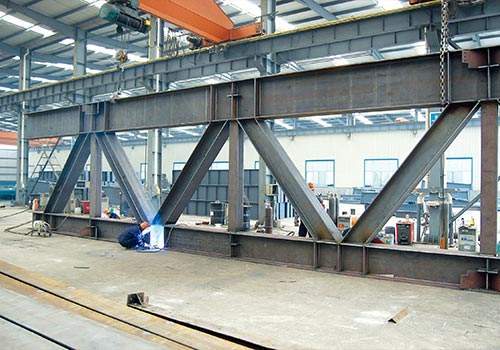
When it comes to ensuring the safety and durability of a building, one of the most crucial elements is the steel structure components. These components play a significant role in enhancing the overall stability of the building, contributing not only to the strength of the structure but also to its ability to withstand environmental forces. In this blog, we will explore the various steel structure components, their benefits, and how they work together to provide a stable foundation for buildings.
What Are Steel Structure Components?
Steel structure components refer to the various parts made from steel that form the skeleton of a building. These include columns, beams, trusses, frames, and braces, which are designed to bear the load of the building and distribute it evenly. Steel, known for its strength and durability, is an ideal material for these components, allowing buildings to remain stable under various conditions, including high winds, earthquakes, and heavy loads.
The Role of Steel Columns in Enhancing Stability
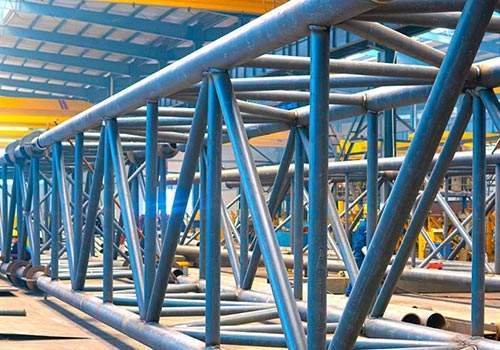
Steel columns are vertical structural elements that bear the weight of the building and transfer it to the foundation. These components are essential for the overall stability of the building, as they support the beams and trusses. Steel columns are often used in high-rise buildings, where they are needed to support the weight of multiple floors. Their strength and flexibility make them ideal for withstanding both vertical and lateral forces, contributing significantly to the building’s resilience.
How Steel Beams Contribute to the Building’s Strength
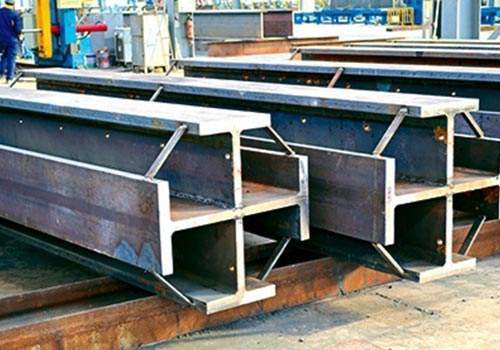
Steel beams are horizontal structural elements that support the load from the floors and roof of a building. These beams are connected to the columns and are essential for maintaining the stability of the structure. Steel beams are known for their ability to resist bending and deflection, making them ideal for buildings with large spans. They also provide the necessary support for steel trusses and other structural components, ensuring the building remains stable over time.
Steel Trusses: Enhancing Load Distribution
Steel trusses are triangular structures made from steel that are used to distribute the load across the building. They are commonly used in the roof and ceiling structures of buildings, where they help to evenly distribute the weight and prevent sagging. Trusses are particularly beneficial for buildings with large open spaces, such as warehouses and gymnasiums, as they provide strength without the need for additional columns or support beams.
Steel Frames: The Backbone of Stability
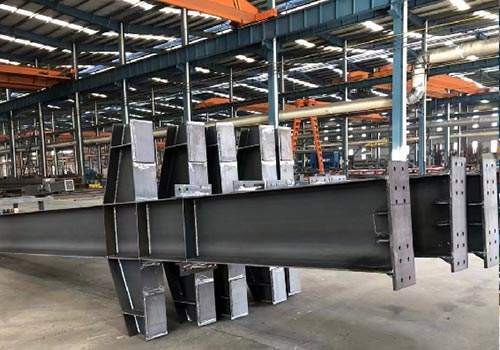
Steel frames are essential components that provide the skeleton of a building. These frames consist of steel beams and columns connected together to form a rigid structure. Steel frames are widely used in the construction of both low-rise and high-rise buildings, offering a high level of stability. By combining steel columns and beams, steel frames can resist both vertical and lateral forces, such as wind and earthquakes, ensuring the building remains structurally sound.
The Importance of Steel Braces in Lateral Stability
Steel braces are diagonal elements that are used to resist lateral forces, such as wind and seismic activity. These components are typically used in buildings that require additional support to withstand horizontal forces. Steel braces help prevent the building from swaying or collapsing during strong winds or earthquakes. By connecting the steel columns and beams, braces enhance the overall stability of the structure and ensure the building’s safety.
How Steel Structure Components Work Together
Steel structure components work in harmony to provide a stable and secure framework for the building. The columns bear the vertical load, while the beams distribute the weight horizontally. The trusses help with load distribution, and the steel braces ensure lateral stability. Together, these components create a building that can withstand a variety of forces, including environmental pressures and the weight of the structure itself.
Benefits of Using Steel Structure Components in Building Construction
The use of steel structure components in construction offers several advantages. Steel is known for its strength, durability, and flexibility, making it ideal for supporting large buildings. It also has a high resistance to environmental factors such as fire, corrosion, and extreme weather conditions. Steel components can be prefabricated off-site, allowing for faster construction and reducing the risk of delays. Additionally, steel structures are highly recyclable, making them an environmentally friendly choice for modern construction projects.
Steel Structure Components and Building Stability: A Closer Look
In a well-designed steel structure, each component plays a pivotal role in ensuring the stability of the building. By strategically placing steel beams, columns, braces, and trusses, engineers can create a structure that is capable of withstanding both vertical and lateral forces. The use of steel allows for a lightweight yet durable structure, making it an ideal choice for a wide range of building projects, from residential homes to commercial skyscrapers.
Table: Comparison of Key Steel Structure Components and Their Functions
| Steel Structure Component | Function | Key Benefits |
|---|---|---|
| Steel Columns | Bear vertical loads | High strength and flexibility for support |
| Steel Beams | Support horizontal loads | Resistance to bending and deflection |
| Steel Trusses | Distribute load across the structure | Ideal for large spans and open spaces |
| Steel Frames | Provide the building’s skeleton | Combination of columns and beams for stability |
| Steel Braces | Resist lateral forces | Prevents swaying during high winds or seismic events |
Conclusion
Steel structure components are indispensable in ensuring the stability and safety of modern buildings. Whether it’s the steel columns, beams, trusses, or braces, each element plays a crucial role in maintaining the structural integrity of the building. If you are planning a construction project and need reliable steel structure components, contact us to learn more about how our high-quality products can enhance the stability of your building.
FAQ
What are steel structure components?
Steel structure components are various steel parts that form the skeletal framework of a building, including columns, beams, trusses, frames, and braces, which together provide support and stability to the building.
How do steel structure components enhance building stability?
Steel structure components enhance stability by providing strength, flexibility, and resistance to environmental forces such as wind, earthquakes, and heavy loads, ensuring the building remains secure and functional.
Why should I choose steel for my building’s structure?
Steel is a durable, strong, and flexible material that can withstand both vertical and lateral forces. It is also resistant to fire and corrosion, making it an excellent choice for long-lasting building stability.
How do steel trusses contribute to stability?
Steel trusses help distribute the load evenly across the structure, preventing sagging and ensuring the building’s roof or ceiling remains stable over time. They are particularly useful in large open spaces.