Welcome to My Blog!
Before we dive into the content, I’d love for you to join me on my social media platforms where I share more insights, engage with the community, and post updates. Here’s how you can connect with me:
Facebook:https://www.facebook.com/profile.php?id=61565337355573
Now, let’s get started on our journey together. I hope you find the content here insightful, engaging, and valuable.
Table of Contents
Introduction
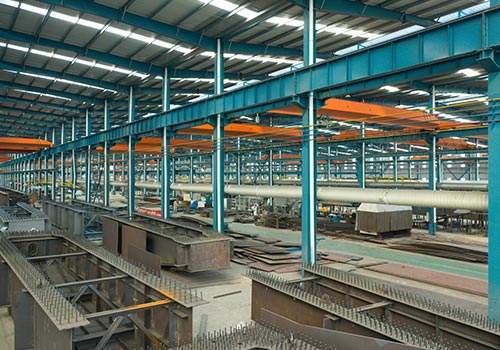
Steel structure buildings are increasingly becoming the go-to solution for various construction projects due to their remarkable durability, strength, and versatility. These buildings, made primarily from steel components, offer a range of advantages over traditional construction materials such as wood and concrete. In this blog post, we will delve into the reasons why steel structure buildings are considered a symbol of durability and strength in modern architecture. We will explore the key characteristics that make them a popular choice in industries like commercial, industrial, and residential construction.
What is a Steel Structure Building?
A steel structure building is a structure that is constructed using steel for both its framework and load-bearing elements. Steel beams, columns, and supports are the primary components that contribute to the building’s strength. Steel is used for a variety of applications, ranging from small homes to large industrial buildings, and its role in construction ensures long-lasting durability.
Steel buildings are recognized for their resilience, especially in the face of harsh weather conditions, seismic activities, and other environmental factors. Additionally, steel’s malleability and high tensile strength allow it to be molded into virtually any shape, offering a level of design flexibility that other materials cannot match.
Advantages of Steel Structure Buildings
Exceptional Durability and Longevity
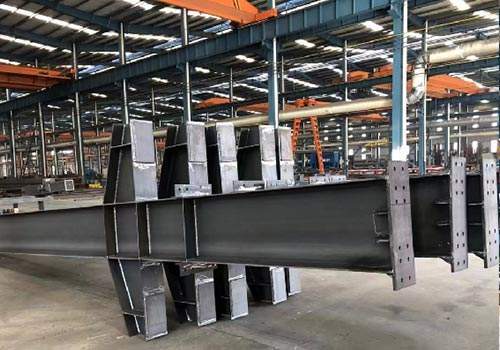
Steel structure buildings are known for their longevity. Unlike traditional building materials, such as wood, steel does not rot, warp, or crack. Steel’s resistance to corrosion and extreme weather conditions makes it an ideal choice for buildings in harsh climates. As a result, steel buildings can last for decades with minimal maintenance.
High Strength-to-Weight Ratio
One of the key benefits of using steel in construction is its impressive strength-to-weight ratio. Steel is strong enough to support heavy loads while being relatively lightweight compared to other construction materials like concrete. This makes it possible to create larger, more expansive buildings without compromising on structural integrity.
Fire Resistance
Steel is naturally fire-resistant. Unlike wood, which is highly flammable, steel can withstand high temperatures without losing its structural integrity. In the event of a fire, steel structure buildings will maintain their stability much longer, allowing for safer evacuation and minimizing damage.
Resistance to Environmental Factors
Steel structure buildings are resistant to many environmental challenges, including earthquakes, heavy winds, and extreme temperatures. The flexibility of steel allows it to absorb and dissipate energy efficiently, which is crucial in areas prone to seismic activity or storms. This resilience makes steel buildings ideal for regions where other types of structures might not hold up as well.
Sustainability and Environmental Benefits
Steel is a highly sustainable material. It is fully recyclable, and the production process of steel has become increasingly energy-efficient. Steel structure buildings are often seen as an eco-friendly option because they reduce waste and contribute to a lower environmental impact compared to traditional construction methods.
Steel Building Components
Steel structure buildings are made up of several critical components that work together to ensure the structure’s overall strength and stability. These components include:
- Beams: Horizontal structural elements that bear loads and distribute weight.
- Columns: Vertical supports that transfer the load from the beams to the foundation.
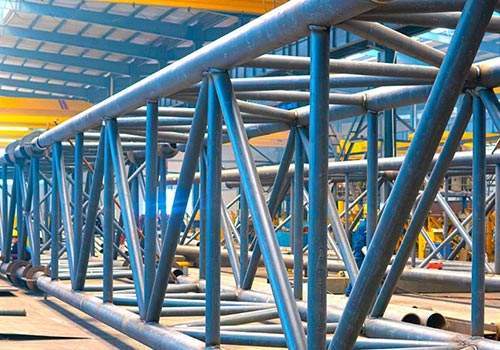
- Trusses: Frameworks of beams that are often used in roofing systems.
- Roofing Systems: Steel roofs that provide a strong, long-lasting outer layer for the building.
- Bracing Systems: Elements that help stabilize the structure against lateral forces such as wind or seismic activity.
Each of these components is designed to work in unison to provide the highest level of strength and durability.
How Steel Structure Buildings Are Constructed
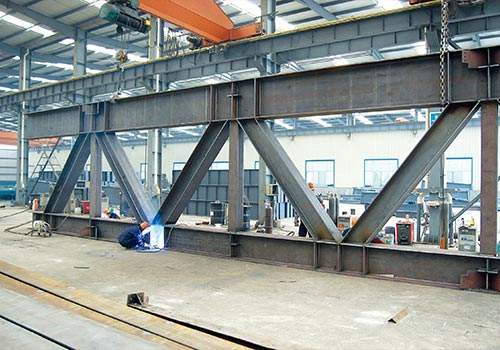
The construction of steel buildings involves a precise and well-organized process. It begins with the design and fabrication of steel components, followed by on-site assembly. The construction process typically includes the following stages:
- Design: The building’s layout and structural integrity are planned, with a focus on the load-bearing capacity of the steel frame.
- Fabrication: Steel beams, columns, and other components are manufactured off-site to exact specifications.
- Assembly: The fabricated steel components are transported to the construction site and assembled by skilled workers.
- Finishing: The building is completed with roofing, cladding, and internal systems.
Steel Structure Building Maintenance and Longevity
While steel buildings are low-maintenance compared to other types of structures, regular checks and basic care are still necessary to maintain their longevity. Here are a few key maintenance practices:
- Regular Inspections: Steel components should be checked periodically for signs of wear, rust, or other damage.
- Protective Coatings: Applying protective coatings or paints to steel surfaces can prevent corrosion and extend the life of the structure.
- Cleaning: Keeping the steel surface clean and free from debris can also help maintain its appearance and integrity.
Steel Structure Building Maintenance Table
| Maintenance Task | Frequency | Importance |
|---|---|---|
| Inspection of Steel Components | Annually | Ensures early detection of damage |
| Protective Coating Application | Every 3-5 years | Prevents rust and corrosion |
| Surface Cleaning | As Needed | Maintains appearance and integrity |
| Check for Structural Shifts | Bi-Annually | Ensures stability and safety |
Steel Structure Building Applications
Steel structure buildings are used in a wide range of industries, including:
- Commercial Buildings: Offices, retail stores, and other commercial establishments benefit from the durability and flexibility of steel buildings.
- Industrial Facilities: Factories, warehouses, and production plants are often constructed with steel due to its ability to support heavy equipment and withstand harsh conditions.
- Residential Buildings: Modern homes and multi-family residential units are increasingly being built using steel for its strength and longevity.
- Infrastructure Projects: Bridges, tunnels, and other large infrastructure projects also rely on the strength of steel structures.
Conclusion
In conclusion, steel structure buildings offer an unparalleled combination of strength, durability, and versatility. They are an excellent choice for anyone looking to build a structure that can withstand the test of time and the elements. From commercial spaces to residential homes, steel buildings provide a safe, cost-effective, and eco-friendly solution for a wide variety of construction projects.
If you’re looking to invest in a steel structure building for your next project, now is the time to explore your options. Ensure durability and strength with a steel structure building that will stand the test of time!
FAQ
Are steel structure buildings more expensive to build?
While the initial cost of steel may be higher than traditional materials, the long-term benefits and low maintenance costs make steel structure buildings a cost-effective choice.
How long do steel structure buildings last?
Steel structure buildings can last for over 50 years with proper maintenance, thanks to their resistance to rust, corrosion, and other environmental factors.
Are steel structure buildings earthquake-resistant?
Yes, steel structures are highly resistant to earthquakes due to their flexibility and strength, making them an ideal choice for areas prone to seismic activity.
Can steel structure buildings be used for residential purposes?
Yes, steel is increasingly being used in residential construction due to its durability, flexibility, and fire resistance.