Welcome to My Blog!
Before we dive into the content, I’d love for you to join me on my social media platforms where I share more insights, engage with the community, and post updates. Here’s how you can connect with me:
Facebook:https://www.facebook.com/profile.php?id=61565337355573
Now, let’s get started on our journey together. I hope you find the content here insightful, engaging, and valuable.
Table of Contents
Introduction
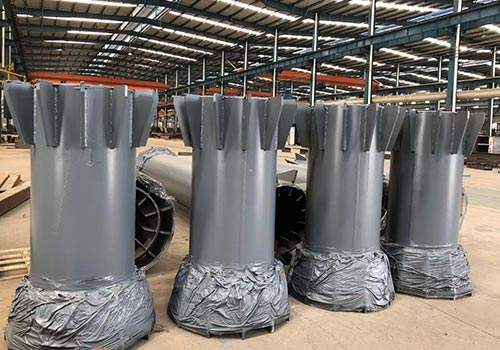
Bracing steel beams play a crucial role in enhancing the durability and stability of buildings, ensuring that they can withstand various environmental stresses. These beams provide the necessary support to resist forces such as wind, seismic activity, and structural loads. By distributing these forces evenly across a structure, bracing steel beams contribute to the longevity and safety of a building. This blog will explore the key benefits of using bracing steel beams, how they enhance building durability, and why they are an essential component in modern construction.
What Are Bracing Steel Beams?
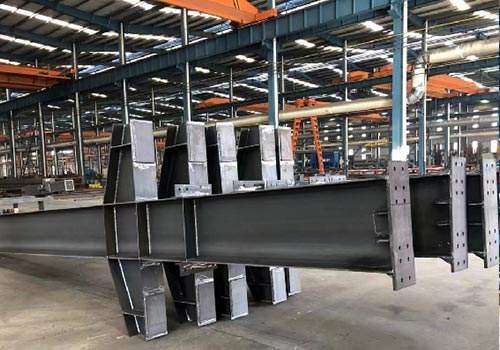
Bracing steel beams are structural elements that are used to reinforce and stabilize buildings. These beams are typically made of high-strength steel and are strategically placed within a building’s framework. They work by transferring forces from one part of the structure to another, helping to maintain balance and prevent deformation. Bracing steel beam are often used in high-rise buildings, bridges, and other large-scale structures where stability is critical.
The Role of Bracing Steel Beams in Structural Integrity
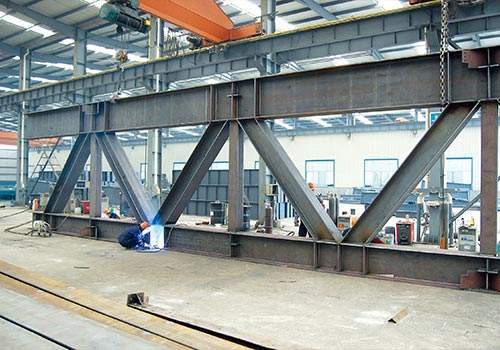
The primary function of bracing steel beams is to improve the overall structural integrity of a building. By providing additional support, these beams help rsist bending, twisting, and shear forces that could otherwise compromise the building’s stability. In seismic-prone areas, for example, bracing steel beam act as a safeguard against earthquakes, ensuring that the building can withstand the shifting ground movements.
Types of Bracing Steel Beam
Bracing steel beam come in various shapes and designs, each suited to different building requirements. Some common types include:
- Diagonal Bracing Beams: These are typically installed in a crisscross pattern and are ideal for resisting lateral forces.
- X-Bracing Beams: Often used in frames, X-bracing beams provide efficient support against vertical and horizontal forces.
- K-Bracing Beams: K-bracing combines vertical and diagonal beams, offering a balance of strength and flexibility.
Each type of bracing steel beam is designed to address specific stress factors, and the choice of beam type depends on the building’s size, location, and purpose.
Benefits of Bracing Steel Beam in Building Durability
Enhanced Load Distribution
Bracing steel beam help to distribute loads more evenly across the structure, preventing localized stress concentrations. This even distribution minimizes the risk of structural failure under heavy loads, whether due to furniture, equipment, or natural forces like wind or snow.
Improved Resistance to Lateral Forces
One of the most significant benefits of bracing steel beam is their ability to resist lateral forces, such as wind and seismic activity. These forces can cause buildings to sway or even collapse, but bracing steel beams provide the necessary support to keep the building upright.
Increased Flexibility
Steel is known for its flexibility, which is particularly important in earthquake-prone areas. Bracing steel beam allow buildings to absorb and dissipate seismic energy, reducing the likelihood of structural damage during an earthquake.
Enhanced Safety
The use of bracing steel beam enhances the overall safety of a building. By improving the building’s stability and resistance to various forces, these beams reduce the risk of collapse or significant damage, ensuring the safety of occupants and assets.
Cost-Effectiveness in the Long Run
Although the initial installation cost of bracing steel beam can be high, their long-term benefits make them a cost-effective investment. These beams reduce the likelihood of damage or costly repairs, extending the lifespan of the building and lowering maintenance costs.
How Bracing Steel Beam Improve Building Durability in Seismic Zones

Buildings located in seismic zones face unique challenges due to the risk of earthquakes. Bracing steel beams are essential in such areas as they help to absorb and distribute the seismic forces, preventing excessive movement that could lead to structural failure. By providing additional stability, these beams ensure that buildings can withstand the dynamic forces generated during an earthquake.
How Bracing Steel Beams Contribute to Wind Resistance
In regions with high wind speeds, such as coastal or hurricane-prone areas, bracing steel beam provide vital support against wind forces. These beams help to reinforce the building’s structure, preventing deformation and maintaining the integrity of the building envelope. As a result, buildings with bracing steel beams are more likely to survive extreme weather conditions.
The Role of Bracing Steel Beam in High-Rise Buildings
High-rise buildings are particularly susceptible to lateral forces due to their height and exposure to wind. Bracing steel beams are essential in such structures, providing the necessary reinforcement to resist both vertical and horizontal forces. These beams contribute to the overall stability of the building, preventing sway and ensuring that the structure remains upright during extreme conditions.
Bracing Steel Beams vs. Other Reinforcement Methods
| Feature | Bracing Steel Beams | Reinforced Concrete | Steel Frame | Cross-Laminated Timber |
|---|---|---|---|---|
| Strength and Durability | High | High | Moderate | Moderate |
| Resistance to Lateral Forces | Excellent | Moderate | Good | Low |
| Seismic Resistance | Excellent | Moderate | Good | Low |
| Wind Resistance | Excellent | Moderate | Good | Low |
| Cost | Moderate | Low | High | High |
| Installation Time | Moderate | Long | Moderate | Long |
Conclusion
In conclusion, bracing steel beams are essential for enhancing building durability and ensuring structural integrity. Whether it’s resisting lateral forces from wind and earthquakes or providing added support in high-rise buildings, these beams play a vital role in improving the overall strength and safety of a structure. If you’re planning to construct a building and want to ensure its long-term durability, investing in bracing steel beams is a smart choice. Consider consulting with a professional to incorporate these beams into your building design.
FAQ
How do bracing steel beams enhance building safety?
Bracing steel beams enhance building safety by providing additional structural support to resist lateral forces such as wind and seismic activity. They help distribute loads evenly, reducing the risk of deformation or collapse.
Are bracing steel beam necessary in all buildings?
While not all buildings require bracing steel beam, they are essential in structures located in seismic zones, high-rise buildings, or areas prone to extreme weather conditions. These beams help improve the building’s stability and longevity.
What is the difference between bracing steel beams and reinforced concrete?
Bracing steel beams are generally more flexible and better suited for resisting lateral forces like wind and seismic activity. Reinforced concrete, on the other hand, is typically more rigid and may not offer the same level of resistance to lateral forces as steel beams.
How long do bracing steel beam last?
Bracing steel beam can last for several decades with proper maintenance. Steel is a durable material that resists corrosion and damage, ensuring that the beams remain effective throughout the lifespan of the building.