Welcome to My Blog!
Before we dive into the content, I’d love for you to join me on my social media platforms where I share more insights, engage with the community, and post updates. Here’s how you can connect with me:
Facebook:https://www.facebook.com/profile.php?id=61565337355573
Now, let’s get started on our journey together. I hope you find the content here insightful, engaging, and valuable.
Table of Contents
Introduction
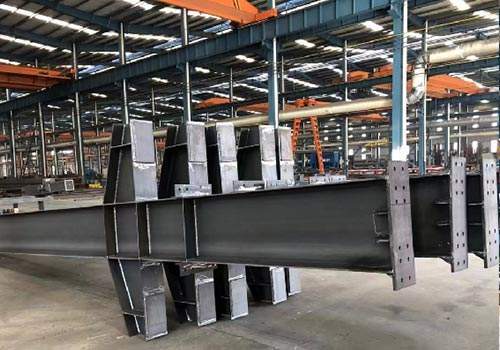
In the world of structural engineering, selecting the right materials is paramount for ensuring the safety, durability, and efficiency of any construction project. Two of the most commonly used steel beams are h-steel and i-beams. While they may appear similar at first glance, they possess distinct characteristics that make them suitable for different applications. This blog post aims to delve into the intricacies of h-steel and i-beams, comparing their properties, applications, and advantages to help you make an informed decision for your next project. As a leading enterprise in design, production, and installation, founded in 2002, Guanglei understands the importance of providing comprehensive information to our clients.
Understanding H-Steel
H-steel, also known as wide flange beams, is characterized by its H-shaped cross-section. This design provides exceptional strength and stability, making h steel ideal for heavy-duty applications. The wide flanges of h steel offer increased resistance to bending and buckling, which is crucial for supporting substantial loads. This design enables the h steel to distribute weight evenly, reducing the risk of structural failure under extreme pressure.
Advantages of H-Steel in Construction
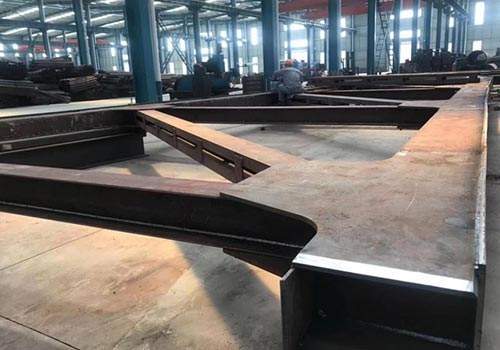
H-steel offers several advantages in construction projects. Its high strength-to-weight ratio allows for the creation of robust structures with minimal material usage. This translates to cost savings and increased efficiency. Furthermore, h steel’s wide flanges provide excellent lateral stability, making it suitable for applications that require resistance to horizontal forces. By minimizing material usage, construction projects can also reduce their environmental footprint. This efficiency also contributes to faster construction times, as less material handling is required.
Exploring I-Beams
I-beams, also known as standard beams, feature an I-shaped cross-section. While similar to h steel, i-beams typically have narrower flanges and a taller web. This design makes i-beams well-suited for applications that require high bending strength in a single direction. The taller web of the i-beam provides significant resistance to vertical bending, making it ideal for applications where the load is primarily applied downwards.
Applications of I-Beams in Various Industries
I-beams find applications in a wide range of industries, including construction, manufacturing, and transportation. Their ability to support heavy loads in a specific direction makes them ideal for bridges, buildings, and industrial frameworks. In bridge construction, i-beams are utilized for their ability to span long distances while supporting heavy traffic. In building frameworks, they provide the necessary structural support for floors and roofs.
Key Differences: H-Steel vs I-Beam Comparison Table
To better understand the distinctions between h-steel and i-beams, let’s examine their key differences in the following table:
| Feature | H-Steel | I-Beam |
|---|---|---|
| Cross-Section | H-shaped | I-shaped |
| Flange Width | Wide | Narrow |
| Web Height | Shorter | Taller |
| Strength | High, multidirectional | High, unidirectional |
| Stability | Excellent lateral stability | Good lateral stability |
| Applications | Heavy-duty construction, high rise buildings | Bridges, buildings, industrial frameworks |
| Material efficiency | High | Medium |
| Cost | Higher | Lower |
H-Steel for High-Rise Buildings
The inherent strength and stability of h steel make it an ideal choice for high-rise buildings. Its wide flanges provide the necessary support to withstand the immense loads and lateral forces encountered in tall structures. Guanglei has provided h steel for many high rise building projects through the years. The even distribution of stress across the h steel’s wide flanges ensures the building’s structural integrity, even under extreme weather conditions.
I-Beams in Bridge Construction
I-beams play a crucial role in bridge construction due to their ability to support heavy loads over long spans. Their efficient design allows for the creation of robust and durable bridges that can withstand the constant stress of vehicular traffic. The tall web of the i-beam offers significant resistance to bending, which is essential for maintaining the bridge’s structural integrity under heavy traffic loads.
H-Steel and I-Beam in Industrial Frameworks
Industrial frameworks often require the support of heavy machinery and equipment. Both h steel and i-beams are used in these applications, with the choice depending on the specific load requirements and structural design. H-steel is often chosen when the framework needs to withstand multidirectional forces, while i-beams are preferred when the load is primarily vertical.
Factors to Consider When Choosing Between H-Steel and I-Beams
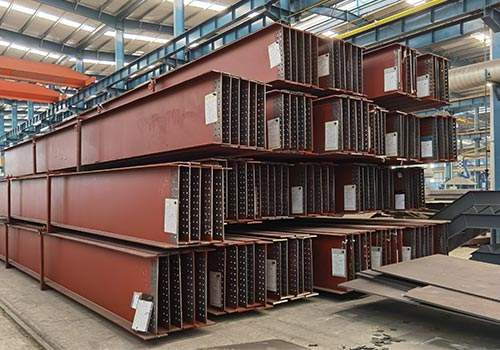
When selecting between h steel and i-beams, several factors must be considered:
- Load requirements: Determine the specific loads that the beams will need to support.
- Structural design: Consider the overall design of the structure and the specific requirements of the application.
- Cost: Evaluate the cost of each type of beam, taking into account material and labor expenses.
- Environmental conditions: Consider the environmental factors that the beams will be exposed to, such as weather and corrosive substances. A thorough analysis of these factors will ensure the selection of the most suitable beam for the project.
Conclusion
Selecting the right type of steel beam is crucial for the success of any construction project. Both h-steel and i-beams offer unique advantages and are suitable for different applications. H-steel provides exceptional strength and stability, making it ideal for heavy-duty construction and high-rise buildings. I-beams offer high bending strength in a single direction, making them suitable for bridges and industrial frameworks.
Guanglei, with its extensive experience since 2002, is dedicated to providing high quality h-steel and other structural steel products, and excellent service. For more information, please contact us today, and let us help you with your next construction project.
FAQ
Q: Which is stronger, h steel or i-beams?
A: H steel generally offers higher strength and stability, particularly in multidirectional applications, due to its wider flanges. I-beams provide high strength in a single direction.
Q: Are h-steel beams more expensive than i-beams?
A: Yes, h-steel beams tend to be more expensive than i-beams due to their larger size and increased material usage.
Q: What are the primary applications of h-steel?
A: H-steel beams are commonly used in heavy-duty construction, high-rise buildings, and industrial frameworks that require high strength and stability.
Q: Where are i-beams typically used?
A: I-beams are frequently used in bridge construction, building frameworks, and industrial applications that require high bending strength in a single direction.