Welcome to My Blog!
Before we dive into the content, I’d love for you to join me on my social media platforms where I share more insights, engage with the community, and post updates. Here’s how you can connect with me:
Facebook:https://www.facebook.com/profile.php?id=61565337355573
Now, let’s get started on our journey together. I hope you find the content here insightful, engaging, and valuable.
Table of Contents
Introduction
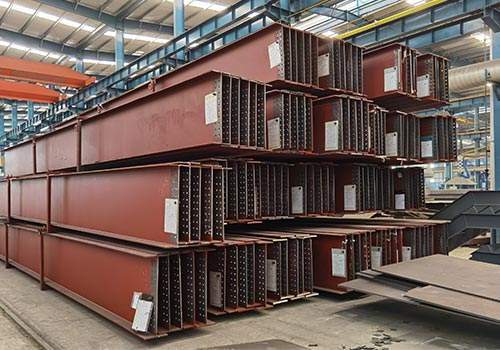
H steel bar, also known as H-beams, are essential structural components widely used in the construction and engineering industries. Their unique H-shaped cross-section provides exceptional strength and stability, making them ideal for various load-bearing applications. This comprehensive guide will delve into the key uses, benefits, and essential considerations of h steel bar, ensuring you have a thorough understanding of their capabilities. The high tensile strength of h steel bar allows for long spans and heavy load capacities, making it a critical component in modern construction. The standardized production of h steel bar also contributes to consistent quality and efficient integration into diverse architectural designs.
Understanding H Steel Strength and Properties
The strength of h steel bar is primarily attributed to its design. The horizontal flanges and vertical web work in tandem to distribute loads effectively, preventing bending and deformation. The material composition, typically carbon steel, further enhances its durability and load-bearing capacity. The yield strength and tensile strength are critical properties to consider when selecting h steel for specific applications. Understanding these properties ensures that the chosen h steel can withstand the anticipated stresses and loads. Furthermore, the cross-sectional area and moment of inertia of the h steel determine its resistance to bending and buckling, directly impacting structural integrity.
Key Uses of H Steel Bar in Construction
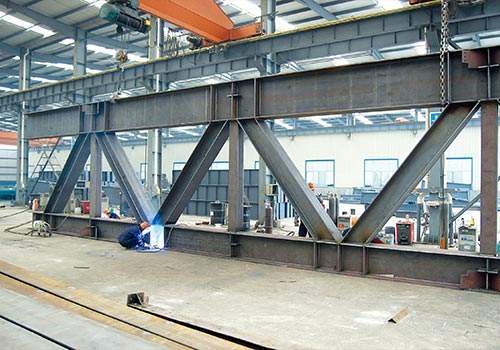
H steel bar plays a vital role in numerous construction applictions. From supporting the framework of skyscrapers to reinforcing bridges, their versatility is unmatched. Here are some key uses:
- Building Frameworks: H steel forms the backbone of many buildings, providing structural integrity to support floors, roofs, and walls. These beams are essential for creating stable and safe building structures, especially in high-rise constructions.
- Bridge Construction: Their high strength-to-weight ratio makes them ideal for bridge construction, enabling the creation of long-span structures. The ability of h steel to withstand heavy loads and resist deformation is crucial for the safety and longevity of bridges.
- Industrial Buildings: Factories, warehouses, and other industrial facilities rely on h steel for their robust and reliable support systems. The durability and load-bearing capacity of h steel ensure the stability of these large and often heavily loaded structures.
- Infrastructure Projects: H steel bar is essential in various infrastructure projects, including tunnels, railways, and offshore platforms. In these projects, h steel provides the necessary structural support to withstand environmental stresses and heavy traffic loads.
Benefits of Using H Steel Bar in Engineering Projects
The advantages of incorporating h steel into engineering projects are numerous. Here are some key benefits:
- High Strength-to-Weight Ratio: H steel offers exceptional strength while minimizing weight, allowing for efficient and cost-effective construction. This characteristic is particularly beneficial in projects where weight reduction is critical, such as bridge construction.
- Durability and Longevity: Made from high-quality steel, h steel is resistant to corrosion and wear, ensuring long-term structural integrity. This durability reduces maintenance costs and extends the lifespan of the structures.
- Versatility and Adaptability: H steel can be customized to meet specific project requirements, offering flexibility in design and construction. This adaptability allows engineers to create innovative and efficient structural solutions.
- Ease of Installation: The standardized dimensions of h steel facilitate efficient fabrication and installation, reducing construction time and costs. The predictability of h steel dimensions simplifies the assembly process on-site.
- Consistent Quality: modern h steel manufacturing processes ensure consistent quality and predictable performance. This consistency in quality ensures that each h steel meets the required specifications for structural integrity.
H Steel Bar Dimensions and Specifications
Choosing the right h steel bar dimensions and specifications is crucial for ensuring structural integrity. Standard dimensions vary, and selecting the appropriate size depends on the load requirements and project specifications. Here is a table providing typical H steel dimensions, and related properties. The moment of inertia is particularly important for calculating the deflection and bending resistance of the beams.
| Dimension (mm) | Weight (kg/m) | Area (cm²) | Moment of Inertia (cm⁴) |
|---|---|---|---|
| 100x100x6x8 | 17.2 | 21.9 | 450 |
| 150x150x7x10 | 31.4 | 40 | 1550 |
| 200x200x8x12 | 49.9 | 63.6 | 3690 |
| 250x250x9x14 | 72.4 | 92.3 | 7630 |
| 300x300x10x15 | 94.6 | 120 | 13700 |
H Steel Bar: Material Considerations and Quality Control
The material used in h steel bar production significantly impacts its strength and durability. High-quality carbon steel is the standard, but other alloys may be used for specialized applications. Rigorous quality control measures are essential to ensure that h steel meets industry standards and project requirements. These quality checks include testing for tensile strength, yield strength, and chemical composition. The implementation of strict quality control processes guarantees the delivery of reliable and consistent h steel bar products.
H Steel Bar: Applications in Specialized Industries
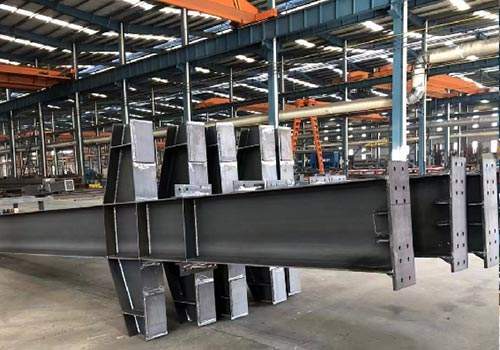
Beyond traditional construction, h steel finds applications in specialized industries:
- Shipbuilding: H steel bar is used in the construction of ship hulls and decks, providing structural support in harsh marine environments. The robust nature of h steel bar ensures the structural integrity of ships, even under extreme conditions.
- Mining: In mining operations, h steel supports underground tunnels and shafts, ensuring safety and stability. The high load-bearing capacity and durability of h steel are critical for preventing collapses and ensuring the safety of miners.
- Renewable Energy: H steel is used in the construction of wind turbine towers and solar panel support structures. The strong and stable structure provided by h steel bar is essential for the efficient and safe operation of renewable energy systems.
Conclusion
H steel bar is an indispensable material in modern construction and engineering. Its strength, durability, and versatility make it ideal for a wide range of applications. By understanding its properties and uses, you can ensure the success of your projects. For all your h steel bar needs, contact us today to discuss your project requirements and receive a competitive quote. We are ready to assist you in selecting the perfect h steel bar for your specific structural needs.
FAQ
What is h steel used for?
H steel is primarily used for structural support in construction, bridge building, and industrial applications. It provides the framework for buildings and other large structures.
What are the benefits of using h steel bar?
Benefits include high strength-to-weight ratio, durability, versatility, and ease of installation. It also provides consistent quality and long term cost effectiveness.
How do I choose the right h steel dimensions?
Consider the load requirements, project specifications, and consult with structural engineers. The moment of inertia is important in these calculations.