Still deciding between H-beams and I-beams?
We provide both profiles with precise dimensions and material grades. Our engineering team helps you select the optimal choice based on load capacity, cost, and installation requirements.
Request a comparison quote → [Contact Us]
Table of Contents
Introduction
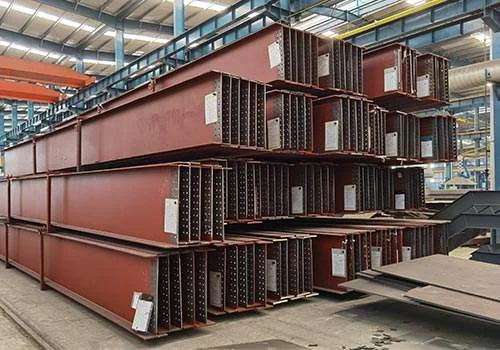
Structural steel beams are fundamental components in modern construction, providing essential support and stability to various structures. Among the numerous types of steel beams, H-shape steel beams (also known as wide flange beams) and I-beams (also known as standard beams or rolled steel joists) are two of the most commonly used. While both serve the purpose of load-bearing, they possess distinct characteristics that make them suitable for different applications. This comprehensive guide will delve into the key differences between H-shape steel beams and I-beams, exploring their structural properties, manufacturing processes, applications, and advantages, while subtly highlighting our expertise in providing high-quality steel structures.
What is an H Shape Steel Beam?
An H-shape steel beam, as the name suggests, has a cross-section resembling the letter “H.” It consists of two horizontal flanges (top and bottom) connected by a vertical web. The key characteristic of an H-beam is its wide flanges, which are typically wider than those of an I-beam. This wider flange provides increased resistance to bending and buckling, making H-beams ideal for applications involving heavy loads and longer spans.
What is an I-Beam?
An I-beam, on the other hand, has a cross-section resembling the letter “I.” Similar to an H-beam, it comprises two horizontal flanges and a vertical web. However, the flanges of an I-beam are narrower and often tapered. This shape makes I-beams more suitable for applications where bending is primarily in one direction and where weight is a significant concern.
Key Differences Between H Shape Steel Beams and I-Beams: A Detailed Comparison
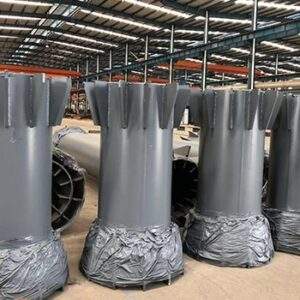


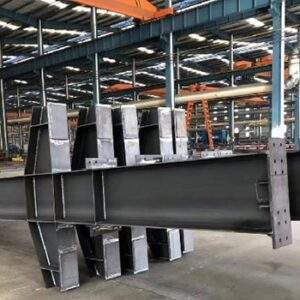
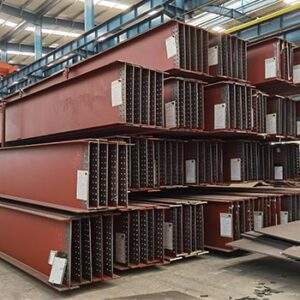
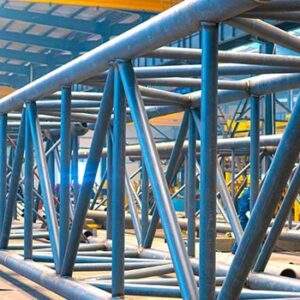
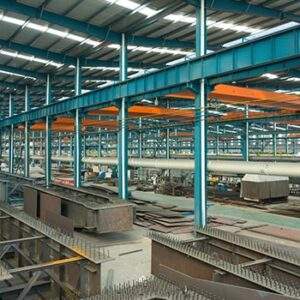
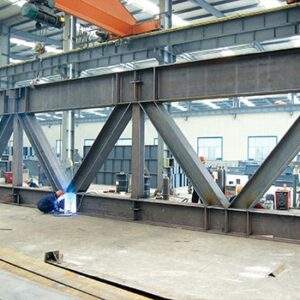
The primary differences between H-shape steel beams and I-beams stem from their distinct cross-sectional shapes:
- Flange Width: H-beams have significantly wider flanges compared to I-beams. This wider flange contributes to higher bending resistance and lateral stability.
- Web Thickness: While both have a web connecting the flanges, the web thickness can vary. Generally, for beams of similar depth, H-beams might have a slightly thicker web, further enhancing their load-bearing capacity.
- Shape and Manufacturing: H-beams are typically produced through a rolling process that results in a more uniform and robust cross-section. I-beams, particularly older ones, could be produced by riveting or welding separate pieces, though modern I-beams are also mostly rolled.
- Strength and Stiffness: Due to their wider flanges, H-beams exhibit higher strength and stiffness, especially in bending about the strong axis (the axis parallel to the flanges).
- Weight: For beams of similar depth, H-beams tend to be heavier than I-beams due to the increased material in the wider flanges.
- Cost: Generally, H-beams are more expensive than I-beams due to the more complex manufacturing process and increased material usage.
A Comparative Table: H-Shape vs. I-Beam
| Feature | H-Shape Steel Beam (Wide Flange) | I-Beam (Standard Beam/Rolled Steel Joist) |
|---|---|---|
| Cross-Section | H | I |
| Flange Width | Wide | Narrow, often tapered |
| Web Thickness | Typically thicker | Can be thinner |
| Manufacturing | Rolling | Primarily rolling (older methods included riveting/welding) |
| Bending Strength | High | Moderate |
| Lateral Stability | High | Lower |
| Weight | Heavier | Lighter |
| Cost | Higher | Lower |
| Primary Applications | Columns, heavy load-bearing beams | Beams supporting lighter loads, floor joists |
Applications of H Shape Steel Beams and I-Beams in Construction
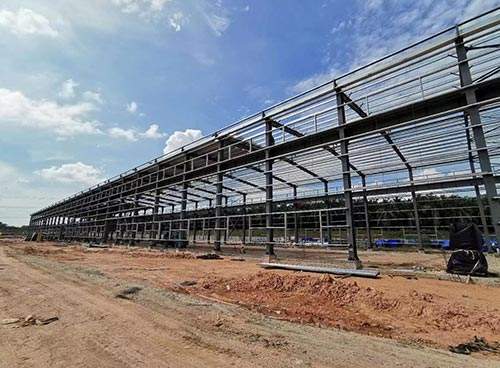
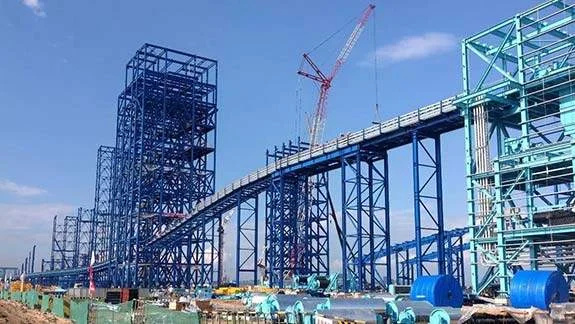
Both H-shape and I-beams find extensive use in various construction applications:
- H-Shape Steel Beam Applications:
- Columns: The wide flanges provide excellent resistance to buckling, making H-beams ideal for vertical load-bearing columns in high-rise buildings and other structures.
- Bridge Girders: Their high bending strength makes them suitable for bridge construction, especially for longer spans.
- Heavy Industrial Buildings: Used in factories and warehouses to support heavy machinery and equipment.
- Crane Rails: Providing stable and robust support for crane systems.
- I-Beam Applications:
- Floor Joists: Their lighter weight makes them suitable for floor and roof support in residential and commercial buildings.
- Roof Beams: Providing support for roof structures.
- Smaller Bridges and Walkways: Used for shorter spans and lighter loads.
- Support Beams in Residential Construction: Providing support for walls and other structural elements.
Advantages and Disadvantages of Each Beam Type
- H-Shape Steel Beam Advantages:
- High strength and stiffness
- Excellent resistance to bending and buckling
- Suitable for heavy loads and long spans
- Good lateral stability
- H-Shape Steel Beam Disadvantages:
- Heavier and more expensive than I-beams
- May not be the most economical choice for lighter loads
- I-Beam Advantages:
- Lighter weight and lower cost compared to H-beams
- Suitable for lighter loads and shorter spans
- Easier to handle and install in some applications
- I-Beam Disadvantages:
- Lower bending strength and lateral stability compared to H-beams
- Not suitable for very heavy loads or long spans
The Role of Our Steel Structures in Your Projects
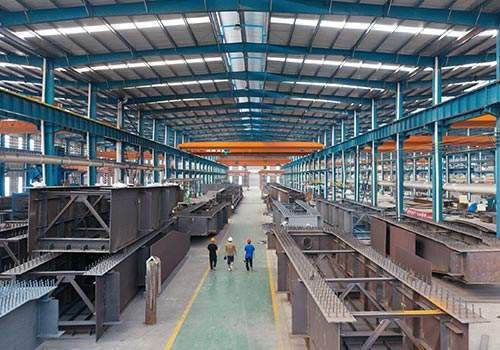
As a leading provider of steel structures, we offer a wide range of high-quality H-shape and I-beams to meet the diverse needs of our clients. Our expertise in steel fabrication and construction ensures that our products meet the highest industry standards. We can provide customized solutions tailored to your specific project requirements, ensuring structural integrity, cost-effectiveness, and timely delivery.
Conclusion
The choice between H-shape steel beams and I-beams depends on the specific requirements of the project. H-beams are ideal for heavy loads, long spans, and applications requiring high bending strength and lateral stability. I-beams are more suitable for lighter loads, shorter spans, and situations where weight and cost are major considerations. By understanding the key differences between these two types of beams, you can make informed decisions and ensure the structural integrity and efficiency of your projects. We are here to assist you in selecting the right steel solutions for your specific needs.
FAQ
Q: Can I use an I-beam instead of an H-beam for a heavy load-bearing application?
A: It is generally not recommended. H-beams are designed for heavier loads due to their wider flanges and higher bending strength. Using an I-beam in such a scenario could compromise structural safety.
Q: Are H-beams always more expensive than I-beams?
A: Yes, generally, H-beams are more expensive due to the greater amount of material used and the more complex manufacturing process.
Q: How do I determine the appropriate size and type of beam for my project?
A: Consulting with a structural engineer is crucial. They can perform the necessary calculations based on load requirements, span length, and other factors to determine the optimal beam size and type.
Q: Where can I purchase high-quality H-shape and I-beams?
A: You can contact us for high-quality steel beams and expert advice on your structural needs.
Q: How does the manufacturing process influence the properties of H shape steel beams and I-beams?
A: The manufacturing process plays a significant role in determining the properties of both H shape steel beams and I-beams. Modern H shape steel beams and I-beams are primarily produced through hot rolling. This process involves passing heated steel billets through a series of rollers to achieve the desired cross-sectional shape. Hot rolling results in a continuous, homogenous structure, enhancing the beam’s strength and integrity. Historically, some I-beams were produced by riveting or welding separate steel plates together. However, this method is less common today. The hot rolling process is more efficient and produces beams with better structural properties, especially important for H shape steel beams where the wider flanges require careful forming.