Welcome to My Blog!
Before we dive into the content, I’d love for you to join me on my social media platforms where I share more insights, engage with the community, and post updates. Here’s how you can connect with me:
Facebook:https://www.facebook.com/profile.php?id=61565337355573
Now, let’s get started on our journey together. I hope you find the content here insightful, engaging, and valuable.
Table of Contents
Introduction

Girder boxes, a critical component in structural steel construction, offer unparalleled strength and versatility. These engineered steel structures play a pivotal role in bridges, buildings, and various infrastructure projects. Understanding the benefits of girder box construction is essential for engineers, architects, and construction professionals seeking optimal structural solutions. This guide delves into the numerous advantages of using girder box designs, highlighting their impact on modern construction practices.
The Fundamental Structure of a Beam Box
A girder box, often referred to as a box girder, is essentially a hollow beam with a rectangular cross-section. This design provides exceptional torsional rigidity and bending strength. The fundamental structure of a beam box involves steel plates welded together to form a closed section. This closed section design allows for a more efficient distribution of loads compared to open section beams. The design of a beam box, depending on its application and load-bearing requirements, can vary greatly. The internal stiffeners and diaphragms are crucial for maintaining the shape and stability of the beam box under various loading conditions.
Enhanced Load-Bearing Capacity with Girder Box Designs
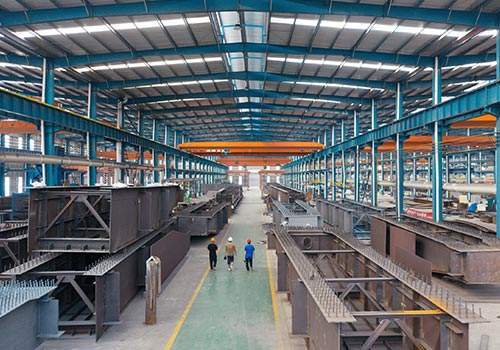
One of the most significant advantages of beam box construction is its superior load-bearing capacity. The closed section design allows for a more even distribution of stress, enabling the structure to support heavier loads over longer spans. This characteristic is particularly beneficial in bridge construction, where long spans and heavy traffic loads are common. The ability of a beam box to handle significant bending and torsional forces makes it an ideal choice for complex structural designs. The high strength-to-weight ratio of steel further enhances the load-bearing capabilities of girder boxes, allowing for efficient and economical construction.
Improved Torsional Rigidity in Beam Box Structures
Torsional rigidity, or resistance to twisting, is a critical factor in structural stability. Girder boxes excel in this area due to their closed section design. This design significantly reduces the effects of torsional forces, ensuring the structure remains stable under various loading conditions. This improved torsional rigidity is particularly important in structures subjected to wind loads or seismic activity. The ability of a beam box to resist twisting forces enhances the overall safety and durability of the structure.
Durability and Longevity of Steel Girder Box Construction
Steel, the primary material used in beam box construction, is known for its durability and longevity. When properly designed and maintained, steel structures can withstand decades of use, even in harsh environmental conditions. The inherent strength of steel, combined with protective coatings and regular maintenance, ensures that beam boxes remain structurally sound over time. This longevity translates to reduced maintenance costs and an extended service life for the structure.
Beam Box for Bridge Construction Applications
Girder boxes are extensively used in bridge construction due to their ability to span long distances and support heavy loads. The closed section design of a beam box allows for efficient load distribution, making it an ideal choice for bridges carrying heavy traffic. The use of steel in beam box construction provides the necessary strength and durability to withstand the dynamic loads and environmental stresses associated with bridge applications. The flexibility of beam box designs allows for various bridge configurations, including curved and skewed bridges.
Girder Box in Modern Building Construction
Beyond bridges, girder boxes are increasingly being used in modern building construction. Their high strength and stiffness make them suitable for large span structures, such as stadiums, airports, and exhibition halls. The use of beam box designs can reduce the number of supporting columns required, creating more open and flexible interior spaces. The aesthetic appeal of steel beam boxes also makes them a popular choice for architectural designs that emphasize structural elements.
Comparison of Girder Box Properties
Here is a table summarizing key properties of beam box structures:
| Property | Description | Benefit |
|---|---|---|
| Load-Bearing Capacity | Ability to support heavy loads over long spans | Efficient use in bridges and large structures |
| Torsional Rigidity | Resistance to twisting forces | Enhanced stability and safety |
| Durability | Long service life with proper maintenance | Reduced long term costs |
| Material Strength | High strength-to-weight ratio of steel | Economical and efficient construction |
| Design Flexibility | Adaptable to various structural configurations | Versatile applications |
| Environmental Resistance | Ability to withstand harsh conditions | Extended structural lifespan |
| Fabrication accuracy | Factory fabrication ensures precision | High quality construction |
Girder Box Fabrication and Installation Processes
The fabrication and installation of beam boxes require meticulous planning and execution. The process begins with the precise cutting and welding of steel plates to form the box section. Internal stiffeners and diaphragms are then added to enhance structural integrity. The fabricated beam boxes are transported to the construction site and installed using cranes and other heavy equipment. The installation process requires careful alignment and connection to ensure the structural integrity of the entire system.
Maintenance and Inspection of Girder Box Structures

Regular maintenance and inspection are crucial for ensuring the long-term performance and safety of girder box structures. Inspections should focus on identifying signs of corrosion, fatigue, and damage. Protective coatings should be applied and maintained to prevent corrosion. Any damaged areas should be repaired promptly to prevent further deterioration. A comprehensive maintenance plan should be implemented to ensure the structural integrity of the beam box over its service life.
Conclusion
Girder boxes represent a significant advancement in structural steel construction. Their ability to handle heavy loads, resist torsional forces, and provide long-term durability makes them an indispensable component in modern infrastructure projects. By understanding the benefits and applications of girder boxes, engineers and construction professionals can create safer, more efficient, and more sustainable structures. For the best structural steel solutions, and to get your project properly supplied with beam box materials, contact us today.
FAQ
What are the primary benefits of using a girder box?
Girder boxes offer enhanced load-bearing capacity, improved torsional rigidity, and durability.
Where are beam boxes commonly used?
They are frequently used in bridge and large building construction.
How do girder boxes enhance structural stability?
Their closed section design provides superior resistance to bending and twisting forces.