Welcome to My Blog!
Before we dive into the content, I’d love for you to join me on my social media platforms where I share more insights, engage with the community, and post updates. Here’s how you can connect with me:
Facebook:https://www.facebook.com/profile.php?id=61565337355573
Now, let’s get started on our journey together. I hope you find the content here insightful, engaging, and valuable.
Table of Contents
Introduction
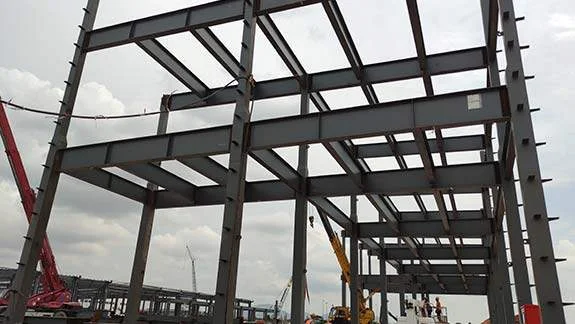
What Are Floor Trusses?
Floor trusses are engineered structural components designed to support flooring systems in residential, commercial, and industrial buildings. They are typically made of wood or steel and are composed of a top chord, bottom chord, and a webbing system that enhances strength while reducing material usage.
Importance of Choosing the Right Floor Truss Type
Selecting the appropriate floor truss type affects:
- Load-bearing capacity
- Span length and structural stability
- Installation speed and ease of use
- Cost-effectiveness and material efficiency
Common Applications of Floor Trusses
Different floor truss types are used in various applications, including:
- Residential homes
- Commercial buildings
- Industrial warehouses
- Multi-story constructions
- Bridges and large-scale structures
Key Floor Truss Types and Their Characteristics
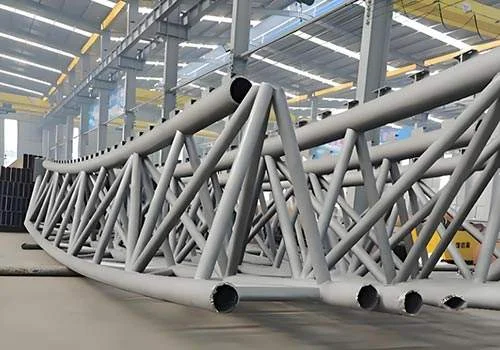

Open Web Floor Trusses
Open web floor trusses are engineered using wood or metal plates to create a triangular webbing pattern between the top and bottom chords.
Key Features:
- Lightweight yet strong design
- Allows for easy installation of plumbing, electrical, and HVAC systems
- Reduces material waste compared to solid joists
Best Used For:
- Residential and commercial buildings
- Structures requiring large, open spans
Metal Plate Connected Wood Trusses
These trusses consist of wooden members connected using metal plates, creating a highly durable and efficient structural component.
Key Features:
- Provides excellent load-bearing capacity
- Lightweight and easy to install
- Cost-effective compared to solid beams
Best Used For:
- Single-family and multi-family homes
- Medium to large commercial structures
Steel Floor Trusses
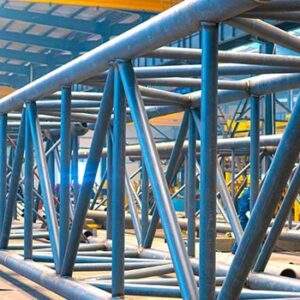
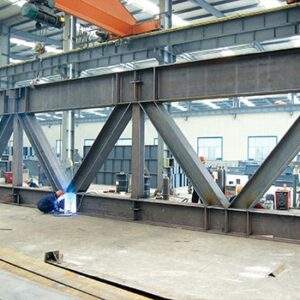
Steel floor trusses are made entirely of metal, offering superior strength and fire resistance.
Key Features:
- High durability and resistance to environmental factors
- Longer spans without the need for additional support
- Non-combustible, making them ideal for fire-rated buildings
Best Used For:
- Industrial and commercial buildings
- High-rise structures requiring superior load capacity
I-Joists
I-joists are engineered wooden beams shaped like the letter “I,” providing excellent strength-to-weight ratio.
Key Features:
- Manufactured with precise dimensions for consistency
- Reduces the risk of warping or shrinking over time
- Can be used with various flooring materials
Best Used For:
- Residential flooring systems
- Cost-effective alternative to traditional trusses
Hybrid Floor Trusses
Hybrid trusses combine materials such as wood and steel to maximize structural performance while maintaining cost efficiency.
Key Features:
- Customizable designs to meet specific project needs
- Combines the benefits of different materials for enhanced performance
- Ideal for long-span applications without compromising strength
Best Used For:
- Custom residential and commercial projects
- Buildings requiring high load-bearing capacity
Comparison of Different Floor Truss Types


| Floor Truss Type | Material | Load Capacity | Span Length | Fire Resistance | Installation Complexity | Best Used For |
|---|---|---|---|---|---|---|
| Open Web Floor Trusses | Wood/Metal Plates | High | Long | Moderate | Easy | Residential, Commercial |
| Metal Plate Connected Wood Trusses | Wood | Medium | Medium | Low | Easy | Homes, Low-rise Buildings |
| Steel Floor Trusses | Steel | Very High | Very Long | High | Moderate | Industrial, High-Rise Buildings |
| I-Joists | Engineered Wood | Medium | Medium | Low | Very Easy | Residential Homes |
| Hybrid Floor Trusses | Wood/Steel | High | Long | Moderate | Customizable | Custom Projects |
Benefits of Using the Right Floor Truss Type
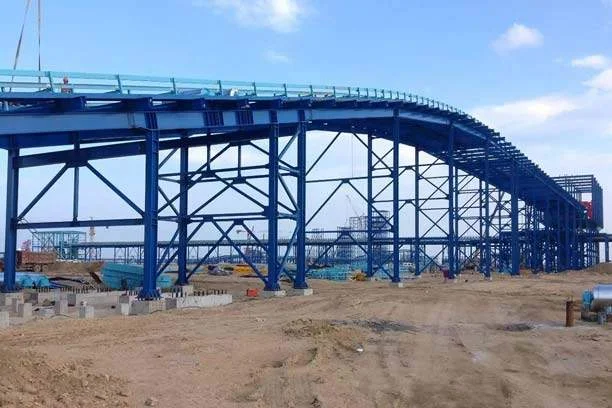
Improved Structural Integrity
Choosing the right floor truss type ensures better load distribution, reducing stress on the overall structure and increasing longevity.
Increased Design Flexibility
Different floor trusses allow for diverse architectural designs, supporting open-concept spaces and long-span requirements.
Cost and Material Efficiency
Optimizing the floor truss selection can lead to significant material savings while maintaining structural performance.
Faster Installation and Reduced Labor Costs
Prefabricated floor trusses simplify construction, reducing installation time and labor expenses.
Enhanced Support for Utilities
Certain truss types, such as open web trusses, allow easy integration of electrical, plumbing, and HVAC systems without additional modifications.
Conclusion
Understanding different floor truss types is essential for making the right decision when designing a building. Whether you require long-span capabilities, fire resistance, or cost efficiency, selecting the appropriate truss system impacts the overall success of your project.
By considering factors such as load capacity, installation requirements, and material choices, you can ensure optimal performance and durability for your flooring system. Investing in the right floor truss type not only improves structural stability but also enhances construction efficiency and long-term maintenance.
FAQ
What is the best floor truss type for residential buildings?
Open web floor trusses and I-joists are commonly used for residential homes due to their lightweight design, ease of installation, and cost-effectiveness.
How do I determine the right span length for my floor trusses?
The span length depends on the load requirements, material strength, and structural design of the building. Consulting with a structural engineer is recommended for precise calculations.
Are steel floor trusses better than wood trusses?
Steel floor trusses offer superior strength, longer spans, and fire resistance but are more expensive. Wood trusses are more cost-effective and easier to work with for residential applications.
Can floor trusses support heavy loads?
Yes, depending on the design and material, certain floor truss types, such as steel or hybrid trusses, can support heavy industrial and commercial loads.
What factors should I consider when selecting a floor truss type?
Key factors include span length, load-bearing capacity, fire resistance, cost, and ease of installation. Understanding these parameters helps in making an informed decision.