Welcome to My Blog!
Before we dive into the content, I’d love for you to join me on my social media platforms where I share more insights, engage with the community, and post updates. Here’s how you can connect with me:
Facebook:https://www.facebook.com/profile.php?id=61565337355573
Now, let’s get started on our journey together. I hope you find the content here insightful, engaging, and valuable.
Table of Contents
Introduction
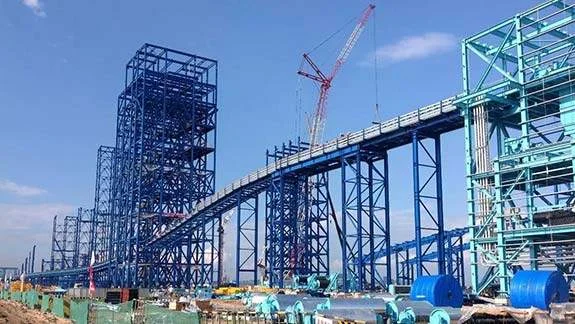
Steel trusses are the backbone of many construction projects, providing the strength and stability necessary to support roofs, bridges, and large structures. These frameworks, made up of interconnected steel members, are designed to bear heavy loads and distribute weight efficiently. Understanding the different kinds of steel trusses is crucial for architects, engineers, and construction professionals when planning a project. This blog explores the various types of steel trusses, their applications, advantages, and how they play a vital role in modern construction.
What Are Steel Trusses?
Steel trusses are structural frameworks composed of triangular units that utilize the strength of steel to handle tension and compression forces effectively. The triangular design ensures stability and prevents distortion under heavy loads. Steel trusses are commonly used in industrial buildings, bridges, and roofing systems due to their versatility, durability, and ability to span large distances without the need for intermediate supports.
Common Kinds of Steel Trusses
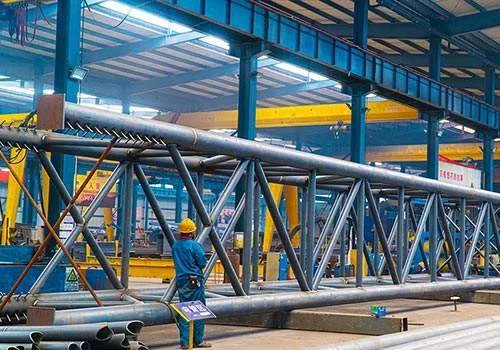
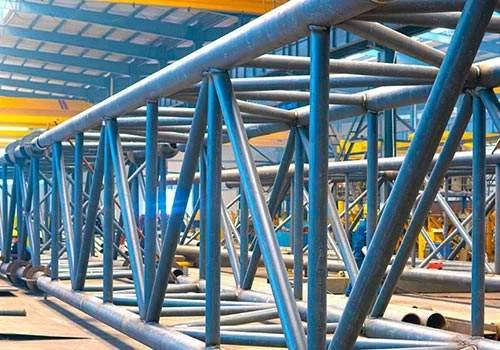
Pratt Truss
The Pratt truss is one of the most widely used types of steel trusses. Its design features vertical and diagonal members that slope towards the center of the truss, making it ideal for spanning medium to large distances.
- Applications: Bridges, warehouses, and industrial buildings
- Advantages: Efficient use of material, lightweight yet strong
Howe Truss
The Howe truss is the inverse of the Pratt truss, with diagonals sloping outward from the center. This design is best suited for handling compression forces.
- Applications: Roofs and short-span bridges
- Advantages: High load-bearing capacity and effective use of steel
Warren Truss
The Warren truss consists of equilateral triangles, making it one of the simplest yet most effective truss designs.
- Applications: Railway bridges, roof trusses, and pedestrian walkways
- Advantages: Even distribution of loads and reduced material requirements
Fink Truss
The Fink truss is commonly used for residential and commercial roofing due to its ability to handle steep slopes.
- Applications: Roofs of houses, garages, and barns
- Advantages: Cost-effective and easy to construct
K-Truss
The K-truss gets its name from the arrangement of its members, which resemble the letter “K.”
- Applications: Long-span bridges and large industrial buildings
- Advantages: High strength-to-weight ratio and excellent load distribution
Key Features of Steel Trusses
Steel trusses are chosen for a variety of reasons, including their:
- Strength and Durability: Steel’s inherent strength ensures that trusses can handle heavy loads and withstand environmental factors
- Flexibility in Design: Steel trusses can be customized for different shapes and sizes to suit specific construction needs
- Long Lifespan: With proper maintenance, steel trusses can last for decades without significant deterioration
- Cost-Effectiveness: Despite their initial cost, steel trusses offer excellent long-term value due to their durability and reduced maintenance needs
Comparative Table of Different Kinds of Steel Trusses
| Type of Truss | Design Characteristics | Ideal Applications | Key Advantages |
|---|---|---|---|
| Pratt Truss | Diagonals slope towards center | Bridges, warehouses | Lightweight, material-efficient |
| Howe Truss | Diagonals slope outward | Roofs, short-span bridges | High load-bearing capacity |
| Warren Truss | Equilateral triangles | Railway bridges, walkways | Even load distribution, simplicity |
| Fink Truss | Steep slopes | Residential and barn roofs | Cost-effective, easy to construct |
| K-Truss | K-shaped members | Long-span bridges, industrial | High strength-to-weight ratio |
Advantages of Using Steel Trusses in Construction
High Load-Bearing Capacity
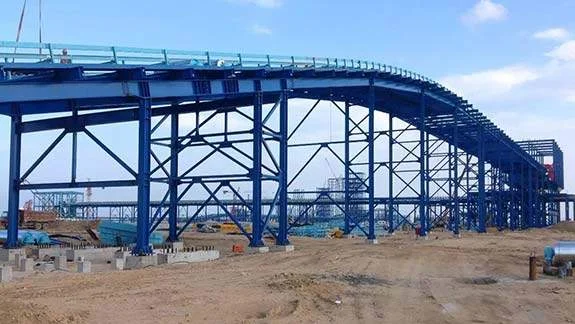
Steel trusses are capable of handling significant loads, making them ideal for large-scale projects like bridges and industrial buildings.
Versatility
With customizable designs, steel trusses can accommodate a wide range of architectural styles and functional requirements.
Longevity
Steel’s resistance to corrosion and wear ensures that trusses remain strong and functional for many years with minimal maintenance.
Cost Efficiency
Although the upfront cost may be higher than wood or other materials, the long lifespan and minimal maintenance needs of steel trusses make them a cost-effective choice in the long run.
Conclusion
Understanding the different kinds of steel trusses is essential for selecting the right design for your construction project. Whether you’re building a bridge, an industrial facility, or a residential home, steel trusses offer unmatched strength, durability, and versatility. By choosing the appropriate type of steel truss, you can ensure that your structure is both safe and cost-effective.
FAQ
What are the most common types of steel trusses?
The most common types of steel trusses include Pratt truss, Howe truss, Warren truss, Fink truss, and K-truss.
How do I choose the right steel truss for my project?
The choice of steel truss depends on the specific requirements of your project, such as load capacity, span length, and design preferences. Consulting with a structural engineer can help.
Are steel trusses more expensive than wood trusses?
Steel trusses typically have a higher initial cost but offer better durability, strength, and a longer lifespan, making them more cost-effective over time.
What is the lifespan of a steel truss?
With proper maintenance, steel trusses can last for several decades, often exceeding 50 years.
Can steel trusses be customized?
Yes, steel trusses can be customized to meet specific design and structural needs, making them suitable for a wide range of applications.