Welcome to My Blog!
Before we dive into the content, I’d love for you to join me on my social media platforms where I share more insights, engage with the community, and post updates. Here’s how you can connect with me:
Facebook:https://www.facebook.com/profile.php?id=61565337355573
Now, let’s get started on our journey together. I hope you find the content here insightful, engaging, and valuable.
Table of Contents
Introduction
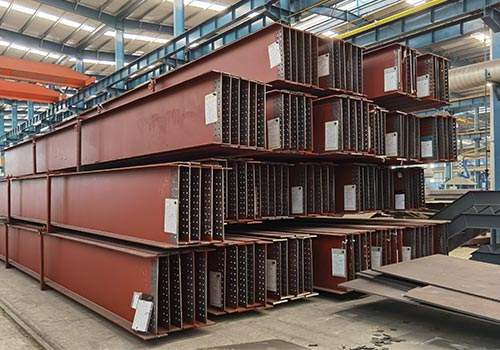
Erection in steel structure plays a crucial role in the construction industry, ensuring the stability, strength, and longevity of buildings, bridges, and industrial facilities. However, the process involves significant risks, from working at heights to handling heavy steel components. Without proper safety measures, accidents can lead to injuries, delays, and financial losses.
This blog explores 12 vital safety rules for erection in steel structure, emphasizing best practices for preventing hazards. By understanding and implementing these guidelines, construction teams can ensure a safer and more efficient erection process.
Understanding Erection in Steel Structure
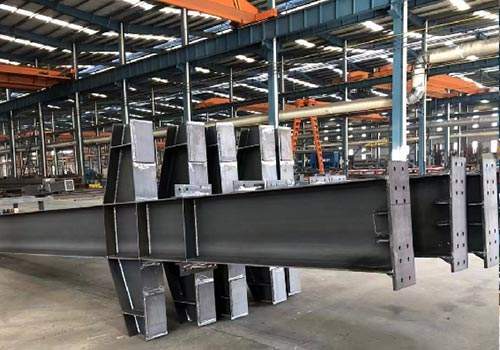
Erection in steel structure refers to the assembly and installation of steel components to form a framework for buildings, bridges, or other structures. It involves the precise lifting, positioning, and securing of steel elements, which requires skilled labor and adherence to safety protocols.
Key Phases of Erection in Steel Structure
- Site Preparation – Ensuring the site is stable and secure for the operation.
- Component Lifting – Utilizing cranes and hoists for safe material handling.
- Positioning and Securing – Aligning steel members and fastening them properly.
- Inspection and Quality Control – Verifying the steel structure meets safety and engineering standards.
Each phase must be executed with care to minimize risk and ensure that the structure is erected safely and efficiently.
Essential Safety Rules for Erection in Steel Structure
Conduct Thorough Site Inspections
Before beginning any erection activities, conduct a comprehensive site inspection to identify potential hazards. This includes:
- Checking for unstable ground conditions or underground utilities.
- Verifying that the site is free of debris and obstructions.
- Ensuring that all necessary safety barriers and warning signs are in place.
Regular site inspections are critical to ensuring a safe environment for all workers involved in the erection process.
Ensure Proper Training and Certification
It is essential that only trained and certified personnel handle the erection of steel structures. Training should include:
- The safe operation of cranes and other heavy machinery.
- The use of personal protective equipment (PPE).
- Awareness of the hazards associated with steel structure erection and the appropriate responses.
Certification and continuous training ensure that workers have the skills and knowledge to perform their tasks safely and efficiently.
Implement Fall Protection Measures
One of the most significant risks in steel structure erection is falling from heights. To mitigate this risk, the following fall protection measures should be in place:
- Workers should wear safety harnesses that are securely attached to stable anchor points.
- Guardrails, safety nets, and scaffolding should be used wherever necessary.
- Work at heights should be avoided during adverse weather conditions, such as strong winds or storms.
By implementing these measures, the risk of falling can be significantly reduced, ensuring the safety of workers.
Use Proper Lifting Techniques and Equipment
Improper lifting techniques can result in serious accidents or structural damage. To ensure safe lifting during erection, workers should:
- Inspect lifting equipment, such as cranes, slings, and hooks, before each use.
- Ensure that loads are evenly distributed to prevent shifting or falling.
- Communicate clearly between crane operators and ground personnel to coordinate lifting operations.
By following safe lifting practices, the risk of accidents during erection in steel structure can be minimized.
Follow Safe Welding and Bolting Procedures
Steel structures often require welding and bolting to secure various components. To ensure these processes are carried out safely:
- Workers should wear the appropriate protective clothing, such as flame-resistant garments and gloves.
- Welding equipment should be thoroughly inspected for any faults before use.
- Only high-quality bolts should be used, and they should be tightened to the manufacturer’s recommended torque settings.
Proper welding and bolting practices ensure that the steel structure is stable and will perform well over time.
Safety Checklist for Erection in Steel Structure
Here is a helpful safety checklist for workers and supervisors to follow during the erection process:
| Safety Aspect | Key Considerations |
|---|---|
| Site Inspection | Identify hazards, check ground stability, and ensure safety barriers. |
| Worker Training | Ensure all workers are certified in relevant safety procedures. |
| Fall Protection | Use harnesses, guardrails, scaffolding, and weather monitoring. |
| Lifting Operations | Inspect equipment, ensure balanced loads, and maintain clear communication. |
| Welding and Bolting | Use quality materials, inspect equipment, and follow safe procedures. |
| Emergency Preparedness | Ensure first aid kits, evacuation plans, and emergency response teams are in place. |
By following this checklist, construction teams can significantly reduce the risks involved in the erection of steel structures.
Additional Best Practices for Erection in Steel Structure
Monitor Weather Conditions
Weather plays a significant role in the safety of steel structure erection. To mitigate weather-related risks:
- Avoid working in heavy rain, strong winds, or icy conditions.
- Ensure all materials are secured to prevent them from being blown away by gusts.
- Use adequate lighting during night operations to avoid accidents.
By carefully monitoring the weather and adjusting schedules when necessary, the risks associated with adverse conditions can be minimized.
Maintain Clear Communication
Effective communication is vital for the success and safety of any steel structure erection project. To improve communication:
- Use radios or hand signals for crane operators to ensure clear coordination with ground workers.
- Hold safety briefings before starting work each day to review the tasks and hazards.
- Encourage workers to report any unsafe conditions immediately to prevent accidents.
By maintaining clear and open communication, the likelihood of mistakes or accidents can be greatly reduced.
Conduct Regular Equipment Inspections
Equipment failures can be catastrophic during steel structure erection. To prevent equipment-related accidents:
- Perform daily inspections of cranes, hoists, and safety gear before use.
- Replace damaged or worn-out parts immediately.
- Maintain detailed records of all equipment inspections and repairs.
Regular equipment checks help ensure that all tools and machinery are in proper working order.
Establish Emergency Response Plans
No matter how well-planned the project is, emergencies can still occur. To prepare for unexpected situations, make sure the following are in place:
- First aid stations should be readily accessible, and personnel should be trained in basic first aid.
- Clear evacuation routes and emergency exits must be marked and easily accessible.
- Fire extinguishers and rescue equipment should be available on-site at all times.
Being prepared for emergencies ensures that workers can respond quickly and effectively to minimize harm and damage.
Conclusion
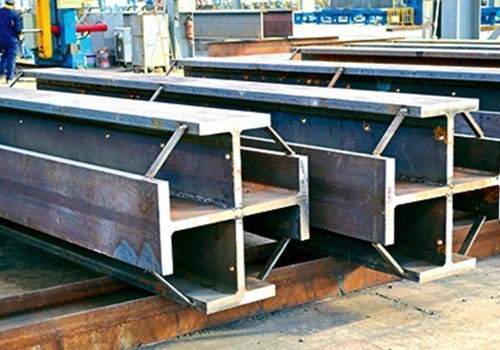
Erection in steel structure is a complex and potentially hazardous process, but by adhering to the safety rules outlined above, teams can significantly reduce the risks involved. Ensuring thorough site inspections, proper worker training, fall protection, safe lifting and welding procedures, and effective communication can help create a safer work environment.
By implementing these 12 vital safety rules, construction teams can not only prevent accidents but also improve the efficiency and success of their projects. Ultimately, safety should always be a top priority in every phase of the erection in steel structure process.
FAQ
What are the most common hazards during erection in steel structure?
The most common hazards include falls from heights, equipment malfunctions, improper lifting, and accidents related to welding or bolting. Following safety protocols can help mitigate these risks.
How can workers stay safe while working at heights?
Workers should wear safety harnesses, ensure proper anchor points are available, and use guardrails and scaffolding where necessary. Avoiding work in extreme weather conditions is also important.
What type of training is required for erection in steel structure?
Training should cover fall protection, safe equipment operation, emergency response protocols, and proper handling of steel components. Certification in these areas ensures that workers have the necessary skills and knowledge.
How often should safety equipment be inspected?
Safety equipment should be inspected daily before use. Any damaged or worn-out parts should be replaced immediately to prevent accidents.
Why is communication important in steel structure erection?
Clear communication helps prevent misunderstandings and ensures that tasks are performed efficiently and safely. Workers should use radios, hand signals, and pre-task meetings to maintain clear communication.