Welcome to My Blog!
Before we dive into the content, I’d love for you to join me on my social media platforms where I share more insights, engage with the community, and post updates. Here’s how you can connect with me:
Facebook:https://www.facebook.com/profile.php?id=61565337355573
Now, let’s get started on our journey together. I hope you find the content here insightful, engaging, and valuable.
Table of Contents
Introduction

Steel columns are an integral part of modern construction, providing essential structural support in buildings, bridges, and other infrastructure. As vertical load-bearing members, steel columns ensure the stability and strength of structures, making them indispensable for projects of all sizes. Their versatility, durability, and ability to withstand immense loads make them a preferred choice for architects and engineers.
In this guide, we will delve into the various types of steel columns, their features, and the specific applications they are best suited for. By understanding the unique characteristics of each type, you can make informed decisions for your next project and ensure long-lasting performance.
What Is a Steel Column?
A steel column is a vertical structural member designed to transfer compressive loads from the upper parts of a structure to its foundations. Steel columns are available in various shapes, sizes, and configurations, each tailored to specific applications and load requirements.
Key Characteristics of Steel Columns
- High strength-to-weight ratio, offering exceptional load-bearing capacity without adding excessive weight
- Durability, resistant to corrosion, fire, and other environmental factors when properly treated
- Versatility, fabricated in numerous shapes and sizes to meet diverse architectural and engineering needs
Different Types of Steel Columns
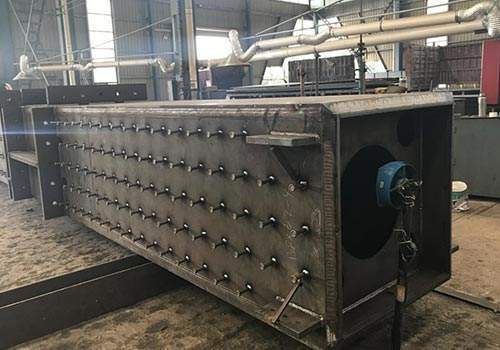

H-Section Steel Columns
H-section steel columns, also known as wide flange columns, have a cross-section resembling the letter “H.” These columns are widely used in high-rise buildings, industrial structures, and bridges due to their excellent load-bearing capacity.
Applications of H-Section Steel Columns
High-rise buildings
Industrial warehouses
Bridge supports
Circular Steel Columns
Circular steel columns have a cylindrical cross-section and are commonly used in structures where aesthetic appeal is essential. Their shape offers uniform strength in all directions, making them ideal for architectural designs.
Applications of Circular Steel Columns
Architectural structures
Stadiums and arenas
Light poles
Rectangular Steel Columns
Rectangular steel columns are favored for their clean lines and high bending resistance. They are often used in modern commercial buildings and industrial facilities.
Applications of Rectangular Steel Columns
Commercial buildings
Industrial facilities
Parking garages
Composite Steel Columns
Composite steel columns combine steel and concrete, leveraging the strengths of both materials. They provide enhanced fire resistance and load-bearing capacity.
Applications of Composite Steel Columns
Skyscrapers
Seismic zones
Infrastructure projects
I-Section Steel Columns
I-section steel columns have a cross-section resembling the letter “I.” They are commonly used in beam-column structures due to their excellent resistance to bending and compression.
Applications of I-Section Steel Columns
Beam-column systems
Residential structures
Bridges
Table: Comparison of Steel Column Types and Applications
| Type of Steel Column | Cross-Section | Key Features | Common Applications |
|---|---|---|---|
| H-Section Steel Column | H-shaped | High load capacity | High-rise buildings, bridges |
| Circular Steel Column | Cylindrical | Uniform strength, aesthetic | Stadiums, light poles, arenas |
| Rectangular Steel Column | Rectangular | High bending resistance | Commercial buildings, industrial uses |
| Composite Steel Column | Steel + Concrete | Fire-resistant, strong | Skyscrapers, seismic zones |
| I-Section Steel Column | I-shaped | Bending and compression-resistant | Beam-column systems, bridges |
Factors to Consider When Choosing Steel Columns
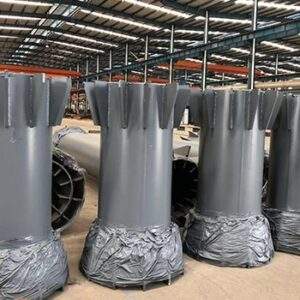


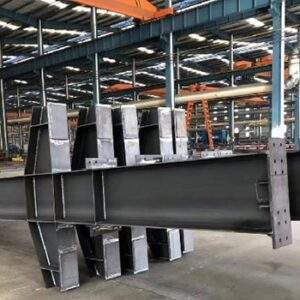
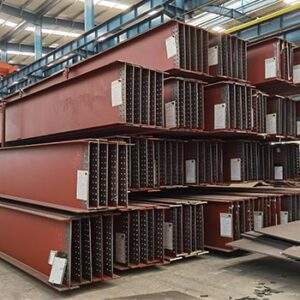
Load Requirements
The weight and type of loads the column will bear determine its size, shape, and material composition.
Structural Design
The architectural layout and design influence the type of steel column used. For instance, circular columns are preferred for aesthetic appeal, while composite columns suit high-load scenarios.
Environmental Conditions
Consider factors like temperature, humidity, and potential exposure to corrosive elements. Galvanized or treated steel columns may be necessary for harsh environments.
Budget
Cost considerations also play a significant role in selecting the appropriate steel column type without compromising quality and safety.
Benefits of Using Steel Columns
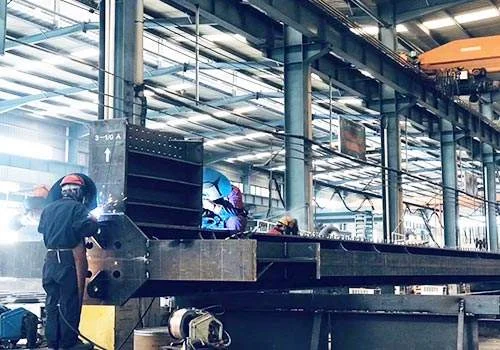
Steel is renowned for its ability to bear immense loads, making it an ideal material for ensuring structural stability in a wide range of applications. Its incredible strength allows it to support heavy weights and withstand significant stress without compromising the integrity of a structure. Moreover, steel offers remarkable versatility, enabling its use in various designs and applications, from towering skyscrapers and long-span bridges to intricate machinery and everyday tools.
Another key advantage of steel is its durability. When properly treated and maintained, it can resist environmental factors such as corrosion, temperature fluctuations, and exposure to moisture, ensuring long-lasting performance even in harsh conditions. This resilience makes it a preferred choice for both indoor and outdoor projects.
Steel also stands out for its ease of fabrication, allowing manufacturers to mold, cut, and shape it into specific dimensions with precision. This adaptability ensures that steel can meet the unique requirements of any project, whether standard or highly customized.
Lastly, steel is an eco-friendly material due to its recyclability. As a sustainable choice, it can be melted down and reused multiple times without losing its inherent properties. This makes steel a responsible option for modern construction and manufacturing, aligning with the growing emphasis on environmental conservation and resource efficiency.
Conclusion
Steel columns are a cornerstone of modern construction, offering unmatched strength, versatility, and durability. By understanding the different types of steel columns and their applications, you can make informed decisions that enhance the safety and efficiency of your projects.
If you’re looking for high-quality steel columns tailored to your specific needs, our company specializes in providing reliable and customizable solutions. Contact us today to learn more about our products and services.
FAQ
What is the main purpose of a steel column?
Steel columns serve as vertical load-bearing members, transferring weight from upper structures to the foundation.
What are the most common types of steel columns?
The most common types include H-section, circular, rectangular, composite, and I-section steel columns.
How do I choose the right steel column for my project?
Factors to consider include load requirements, structural design, environmental conditions, and budget.
What are the advantages of using composite steel columns?
Composite steel columns combine the strengths of steel and concrete, offering enhanced fire resistance and load-bearing capacity.
Are steel columns resistant to corrosion?
When treated or galvanized, steel columns are highly resistant to corrosion, making them suitable for various environments.
Can steel columns be customized for specific designs?
Yes, steel columns can be fabricated in different shapes, sizes, and finishes to meet architectural and engineering requirements.
How sustainable are steel columns?
Steel is a recyclable material, making steel columns an eco-friendly choice for construction projects.