Welcome to My Blog!
Before we dive into the content, I’d love for you to join me on my social media platforms where I share more insights, engage with the community, and post updates. Here’s how you can connect with me:
Facebook:https://www.facebook.com/profile.php?id=61565337355573
Now, let’s get started on our journey together. I hope you find the content here insightful, engaging, and valuable.
Table of Contents
Introduction
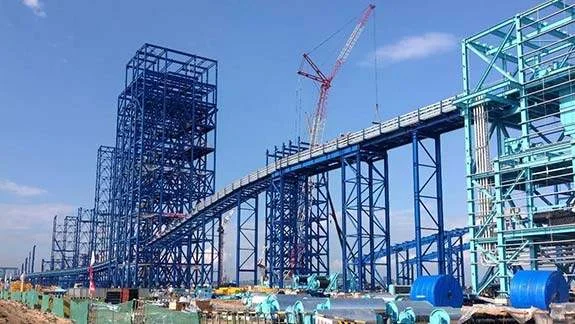
Steel structures play an integral role in modern construction projects, offering strength, durability, and versatility. From skyscrapers to bridges and industrial facilities, steel provides an unmatched combination of structural integrity and design flexibility. However, the design of steel structures requires careful consideration of various factors to ensure safety, efficiency, and cost-effectiveness.
This comprehensive guide explores the essential considerations in the design of steel structures, delving into material selection, structural analysis, and fabrication techniques. Whether you’re an engineer, architect, or project manager, understanding these principles will help you achieve optimal results in your construction projects.
Understanding the Basics of Steel Structure Design
The design of steel structures involves a detailed process that integrates engineering principles, material science, and construction techniques to create structures capable of withstanding various loads and environmental conditions.
Key Steps in Steel Structure Design
- Conceptual Design: Establish the purpose and basic configuration of the structure.
- Material Selection: Choose appropriate grades of steel based on strength, ductility, and environmental factors.
- Load Analysis: Determine the loads the structure will bear, including dead loads, live loads, wind loads, and seismic forces.
- Structural Modeling: Use software tools to create a model of the structure and simulate performance under various conditions.
- Fabrication Planning: Develop detailed plans for cutting, welding, and assembling steel components.
Common Applications of Steel Structures
- Commercial Buildings: Skyscrapers and shopping malls
- Industrial Facilities: Factories, warehouses, and power plants
- Infrastructure Projects: Bridges, railway stations, and airports
- Residential Construction: Steel-frame homes and high-rise apartments
Key Considerations in the Design of Steel Structures

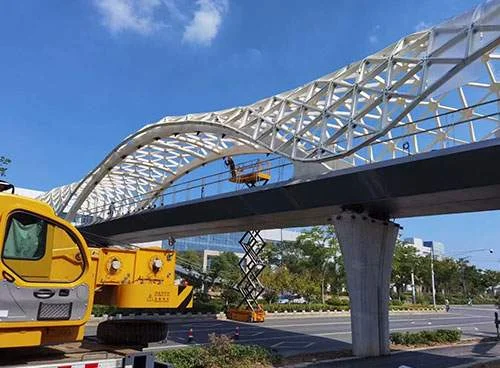
Material Selection
Choosing the right type of steel is critical to achieving the desired performance of the structure. Factors to consider include:
- Grade of Steel: Determine the required strength and ductility based on the application.
- Corrosion Resistance: Use galvanized or weathering steel for structures exposed to moisture or corrosive environments.
- Weldability: Select steel that is compatible with the chosen fabrication processes.
Structural Analysis
Performing a thorough structural analysis is essential to ensure that the design meets safety and performance criteria. Key aspects include:
- Load Calculations: Analyze all potential loads, including static, dynamic, and impact loads.
- Deflection Limits: Ensure the structure maintains acceptable deflection levels under load conditions.
- Stability Checks: Assess the structure’s resistance to buckling and overturning.
Fabrication Techniques
Efficient fabrication of steel components requires careful planning and execution. Consider the following:
- Cutting and Welding: Choose methods that minimize waste and ensure precision.
- Surface Treatment: Apply coatings to enhance durability and resistance to corrosion.
- Quality Control: Inspect fabricated components for defects and ensure compliance with design specifications.
Environmental Impact
The design of steel structures should also address sustainability and environmental concerns. Key practices include:
- Material Recycling: Use recycled steel to reduce the environmental footprint.
- Energy Efficiency: Incorporate energy-efficient construction methods and designs.
- Life-Cycle Assessment: Evaluate the environmental impact of the structure throughout its lifespan.
Table: Comparison of Common Steel Types for Structural Design
| Steel Type | Strength (MPa) | Corrosion Resistance | Common Applications |
|---|---|---|---|
| Carbon Steel | 250–400 | Moderate | General construction and fabrication |
| Alloy Steel | 500–800 | High | Bridges, industrial facilities |
| Stainless Steel | 450–650 | Excellent | Architectural projects, marine use |
| Weathering Steel | 350–550 | Very High | Bridges, outdoor structures |
Challenges in the Design of Steel Structures
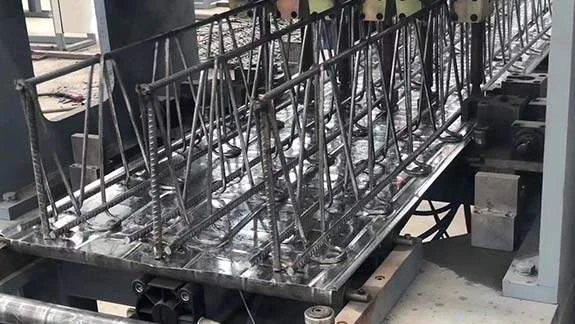
Cost Management
Steel can be an expensive material, especially for large projects. To manage costs effectively:
- Optimize material usage through efficient design.
- Consider prefabrication to reduce labor and construction time.
Safety Standards
Adhering to safety standards and building codes is non-negotiable in the design of steel structures. Ensure compliance with:
- Local and international building codes
- Fire resistance and seismic performance requirements
Aesthetic Integration
Modern construction often emphasizes aesthetics alongside functionality. Steel offers versatility in design, allowing for:
- Unique architectural shapes and forms
- Integration with glass, concrete, and other materials
Conclusion
The design of steel structures is a complex yet rewarding process that combines engineering expertise with creative problem-solving. By focusing on material selection, structural analysis, and fabrication techniques, you can create structures that are not only safe and durable but also aesthetically pleasing and environmentally responsible.
Whether you’re designing a skyscraper, a bridge, or an industrial facility, understanding the principles of steel structure design will help you achieve success in your projects.
FAQ
What is the most commonly used type of steel in structural design?
Carbon steel is widely used in structural design due to its affordability, availability, and strength.
How do I choose the right grade of steel for my project?
Consider factors such as the required strength, environmental exposure, and fabrication processes. Consult industry standards and material specifications for guidance.
What software tools are used for the design of steel structures?
Popular tools include SAP2000, ETABS, STAAD.Pro, and Tekla Structures for structural modeling and analysis.
How can I improve the energy efficiency of a steel structure?
Incorporate insulation, energy-efficient windows, and sustainable construction practices into your design.
Are steel structures resistant to earthquakes?
Yes, steel structures are known for their flexibility and ductility, making them highly resistant to seismic forces when designed properly.
How do I prevent corrosion in steel structures?
Use corrosion-resistant coatings, galvanization, or weathering steel, and ensure proper maintenance over the structure’s lifespan.
Can steel structures be recycled?
Yes, steel is one of the most recyclable materials, contributing to sustainable construction practices.