Welcome to My Blog!
Before we dive into the content, I’d love for you to join me on my social media platforms where I share more insights, engage with the community, and post updates. Here’s how you can connect with me:
Facebook:https://www.facebook.com/profile.php?id=61565337355573
Now, let’s get started on our journey together. I hope you find the content here insightful, engaging, and valuable.
Table of Contents
Introduction
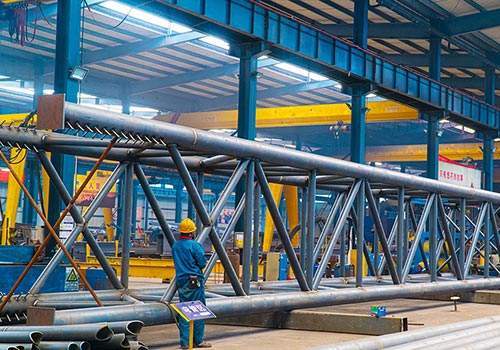
In the realm of modern construction, the demand for cost-effective, durable, and structurally sound solutions is ever-increasing. Among the various structural elements available, the steel truss beam stands out as a versatile and efficient option. Its unique design, charaterized by interconnected triangular units, allows for impressive strength-to-weight ratios, making it an ideal choice for a wide range of applications. This blog post delves into the numerous advantages of utilizing steel truss beam designs, exploring their cost-effectiveness, structural benefits, and diverse applications in contemporary construction projects. We will examine how the inherent properties of steel, coupled with the optimized geometry of a truss, contribute to significant savings in material, transportation, and installation costs, ultimately making steel truss beam a compelling solution for budget-conscious and performance-driven construction endeavors.
Understanding the Fundamentals of Steel Truss Beams
To truly appreciate the cost-effectiveness of steel truss design, it is essential to understand its fundamental principles. A steel truss is a structural framework composed of interconnected members, typically arranged in triangular units, that work together to efficiently distribute and transfer loads. These members are usually made of steel, a material renowned for its high strength and ductility. The triangular configuration is crucial because it is inherently stable and resists deformation under load, allowing the steel truss beam to span long distances with minimal material. The design of a steel truss involves careful consideration of the applied loads, the required span, and the desired structural performance. Engineers meticulously calculate the forces acting on each member to ensure that the steel truss beam can safely and efficiently carry the intended loads. This optimized use of material is a key factor in the cost-effectiveness of steel truss solutions.
The Economic Advantages of Steel Truss Beam Construction
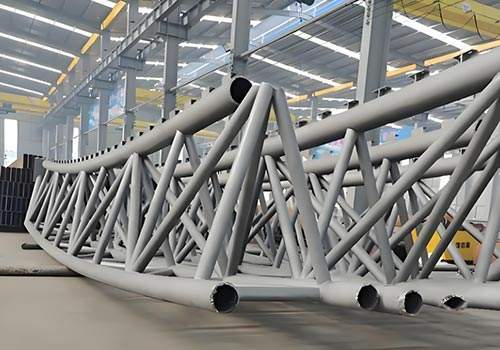
The economic advantages of choosing a steel truss design are manifold. Firstly, the high strength-to-weight ratio of steel means that less material is required to achieve the same load-bearing capacity compared to other structural materials like concrete or timber. This reduction in material volume directly translates to lower material costs. Secondly, the lighter weight of steel truss components often leads to reduced transportation costs, as more pieces can be transported per load, and lighter lifting equipment may be sufficient for on-site assembly. Furthermore, the prefabricated nature of many steel truss beam systems allows for faster and more efficient on-site erection, minimizing labor costs and reducing overall project timelines. The precision engineering involved in steel truss fabrication also minimizes waste, contributing to further cost savings. In the long term, the durability and low maintenance requirements of steel structures contribute to their overall economic viability, making steel truss a truly cost-effective solution.
Diverse Applications of Cost-Effective Steel Truss Beams
The versatility of steel truss beam design allows for its application in a wide array of construction projects, further highlighting its cost-effectiveness across different sectors. In industrial buildings, steel truss systems are commonly used for roof structures and long-span frameworks, providing large column-free spaces essential for manufacturing and storage. For bridges, steel truss designs offer a robust and efficient solution for spanning rivers and valleys. In commercial buildings, steel truss can be utilized for floor and roof support, enabling flexible interior layouts. Even in residential construction, steel truss can provide cost-effective solutions for complex roof designs and long-span floor systems. The adaptability of steel truss to various architectural styles and functional requirements underscores its economic value by offering a single, efficient structural solution for diverse building needs.
Design Considerations for Optimal Steel Truss Beam Efficiency
Achieving optimal cost-effectiveness with a steel truss design requires careful consideration of several key factors during the design phase. These include the accurate assessment of applied loads (dead loads, live loads, wind loads, seismic loads), the selection of appropriate steel grades and member sizes, and the optimization of the truss geometry to minimize material usage while maintaining structural integrity. Efficient connection design is also crucial, as connection details can significantly impact both the cost and the structural performance of the steel truss beam. Utilizing advanced structural analysis software allows engineers to model and analyze different steel truss configurations, ensuring the most efficient and cost-effective design. Furthermore, considering modular design and prefabrication during the design stage can further enhance cost savings by streamlining manufacturing and on-site assembly processes.
Fabrication and Erection: Minimizing Costs with Steel Truss Beams
The fabrication and erection processes of a steel truss play a significant role in its overall cost-effectiveness. Modern fabrication techniques, including automated cutting, welding, and drilling, allow for precise manufacturing of steel truss beam components, minimizing material waste and ensuring high-quality construction. Prefabrication of steel truss beam sections in a controlled factory environment offers several advantages, including improved quality control, reduced on-site labor, and faster erection times. Efficient transportation of the fabricated steel truss members to the construction site is also crucial for cost management. Utilizing modular design and planning the erection sequence carefully can further optimize the construction process. The speed and efficiency of steel truss erection directly translate to lower labor costs and reduced project durations, contributing significantly to the overall cost savings.
Maintenance and Longevity: Long-Term Cost Benefits of Steel Truss
The long-term cost benefits of utilizing a steel truss are often overlooked but are crucial in assessing its overall cost-effectiveness. Steel is a highly durable material that, when properly protected, can withstand harsh environmental conditions and resist degradation over long periods. This inherent durability translates to lower maintenance costs compared to other structural materials that may require more frequent repairs or replacements. Regular inspections and preventative maintenance, such as painting to prevent corrosion, can further extend the lifespan of a steel truss beam structure. The longevity of steel structures ensures a greater return on investment over the life cycle of the building or infrastructure project, making steel truss a cost-effective choice not just in the short term but also in the long run.
Case Studies: Real-World Examples of Cost-Effective Steel Truss Beam Applications
Examining real-world case studies provides tangible evidence of the cost-effectiveness of steel truss beam design in various applications. Consider the construction of large-span warehouses where steel truss roof systems enable vast column-free interiors, maximizing usable space while minimizing material costs compared to traditional beam and column construction. In bridge construction, the use of steel truss beam has allowed for the efficient spanning of significant distances, often proving more economical than other bridge types, particularly when considering the speed of erection and reduced foundation requirements. Even in the residential sector, innovative uses of steel truss for complex rooflines have demonstrated cost savings and design flexibility. These case studies highlight the practical and economic advantages of choosing steel truss beam solutions across diverse construction projects.
Comparing Steel Truss Beams with Alternative Structural Systems
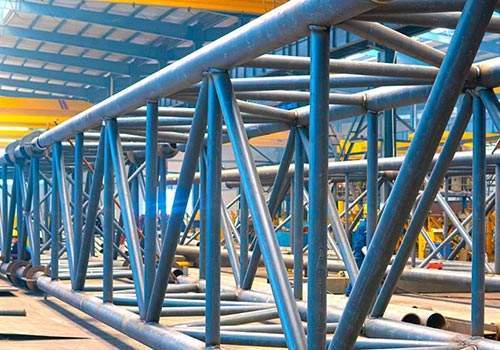
To fully appreciate the cost-effectiveness of steel truss beam, it is beneficial to compare it with alternative structural systems. While concrete structures can offer high compressive strength, they often require more material to achieve comparable spans and load-bearing capacities, leading to higher foundation costs and longer construction times. Timber structures, while aesthetically pleasing and renewable, may not be suitable for long-span applications and can be susceptible to environmental factors and pest infestations, potentially increasing maintenance costs. Steel frame structures using solid or webbed beams can be effective, but steel truss beam designs often offer a more optimized strength-to-weight ratio, resulting in material savings. The open web design of a steel truss also allows for easier integration of mechanical, electrical, and plumbing systems, potentially reducing coordination and installation costs. The following table provides a general comparison of key factors:
| Feature | Steel Truss Beam | Reinforced Concrete | Timber Frame | Solid Steel Beam |
|---|---|---|---|---|
| Strength-to-Weight | High | Medium | Low | Medium |
| Span Capability | Long | Medium | Short | Medium |
| Material Cost | Medium | Medium to High | Low to Medium | High |
| Transportation Cost | Low to Medium | High | Low | Medium to High |
| Erection Speed | Fast | Slow | Medium | Medium |
| Labor Cost | Low to Medium | High | Medium | Medium |
| Design Flexibility | High | Medium | Medium | Medium |
| Fire Resistance | Requires Protection | Inherently Good | Requires Treatment | Requires Protection |
| Corrosion Resistance | Requires Protection | Good | Requires Treatment | Requires Protection |
| Maintenance Cost | Low | Medium | Medium to High | Low |
Conclusion
In conclusion, the steel truss beam stands as a testament to efficient structural engineering, offering a compelling combination of strength, versatility, and, most importantly, cost-effectiveness. From reduced material consumption and transportation expenses to faster erection times and long-term durability, the advantages of choosing a steel truss beam design are undeniable across a wide spectrum of construction applications. By understanding the fundamental principles, optimizing design considerations, and leveraging efficient fabrication and erection techniques, the economic benefits of steel truss solutions can be fully realized. Ready to explore how steel truss can bring cost savings and structural integrity to your next project? Contact us today to discuss your specific needs and discover the power of efficient steel construction.
FAQ
What are the primary cost savings associated with using a steel truss ?
The primary cost savings associated with using a steel truss include reduced material costs due to its high strength-to-weight ratio, lower transportation costs due to its lighter weight, faster on-site erection leading to reduced labor costs, and minimized material waste through precise fabrication.
Are steel truss beams suitable for residential construction?
Yes, steel truss beam can be a cost-effective solution for residential construction, particularly for complex roof designs, long-span floor systems, and projects requiring high structural integrity.
How does the maintenance cost of a steel truss beam compare to other structural materials?
The maintenance cost of a steel truss beam is generally low due to the inherent durability of steel. With proper protection against corrosion, steel structures can last for decades with minimal maintenance requirements.